
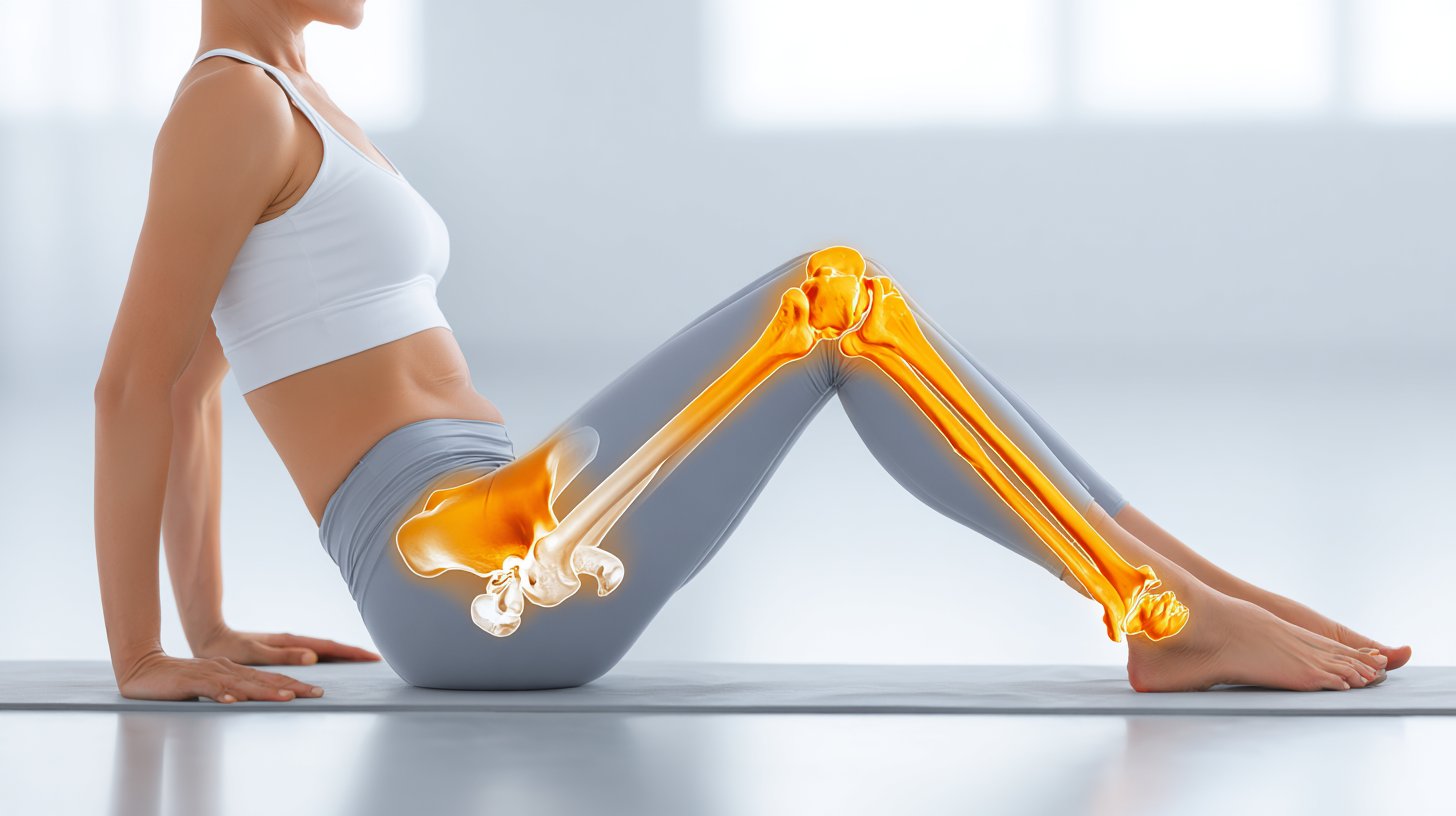
Hip Dysplasia: Page 5 - strength & neuromuscular control
Strength training is a key part of managing hip dysplasia. By gradually increasing resistance over time, you can build stronger muscles, improve hip stability, and better prepare your body for everyday activities and sport. This guide shows you how to safely progress your strength training for long-term success.
Hip Dysplasia: Page 4 - Muscle control
Muscle control is a key part of managing hip dysplasia, yet it's often overlooked. It's not just about having strong muscles — it's about teaching the right muscles to switch on at the right time to support and protect your hip joint.
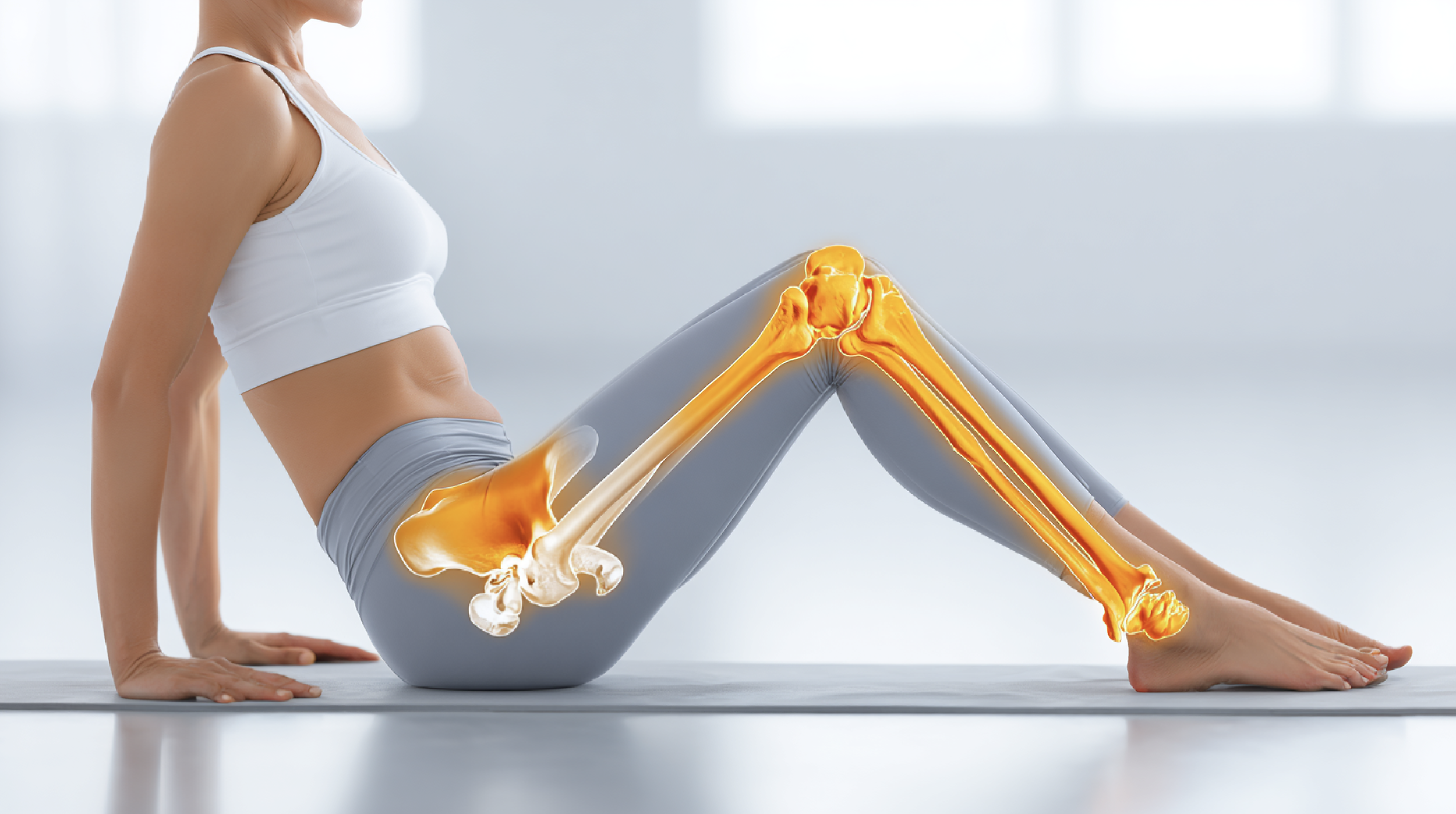
Hip Dysplasia: Page 3 - Muscle Activation
In hip dysplasia, the shallow hip socket often causes the primary stabilizing muscles, especially the gluteal muscles (gluteus medius and minimus), to become weak or inhibited. This lack of dynamic stability forces other muscles to overwork, leading to altered movement patterns and pain. Our physiotherapy program focuses specifically on targeted muscle activation exercises designed to restore the optimal function of these key stabilisers.
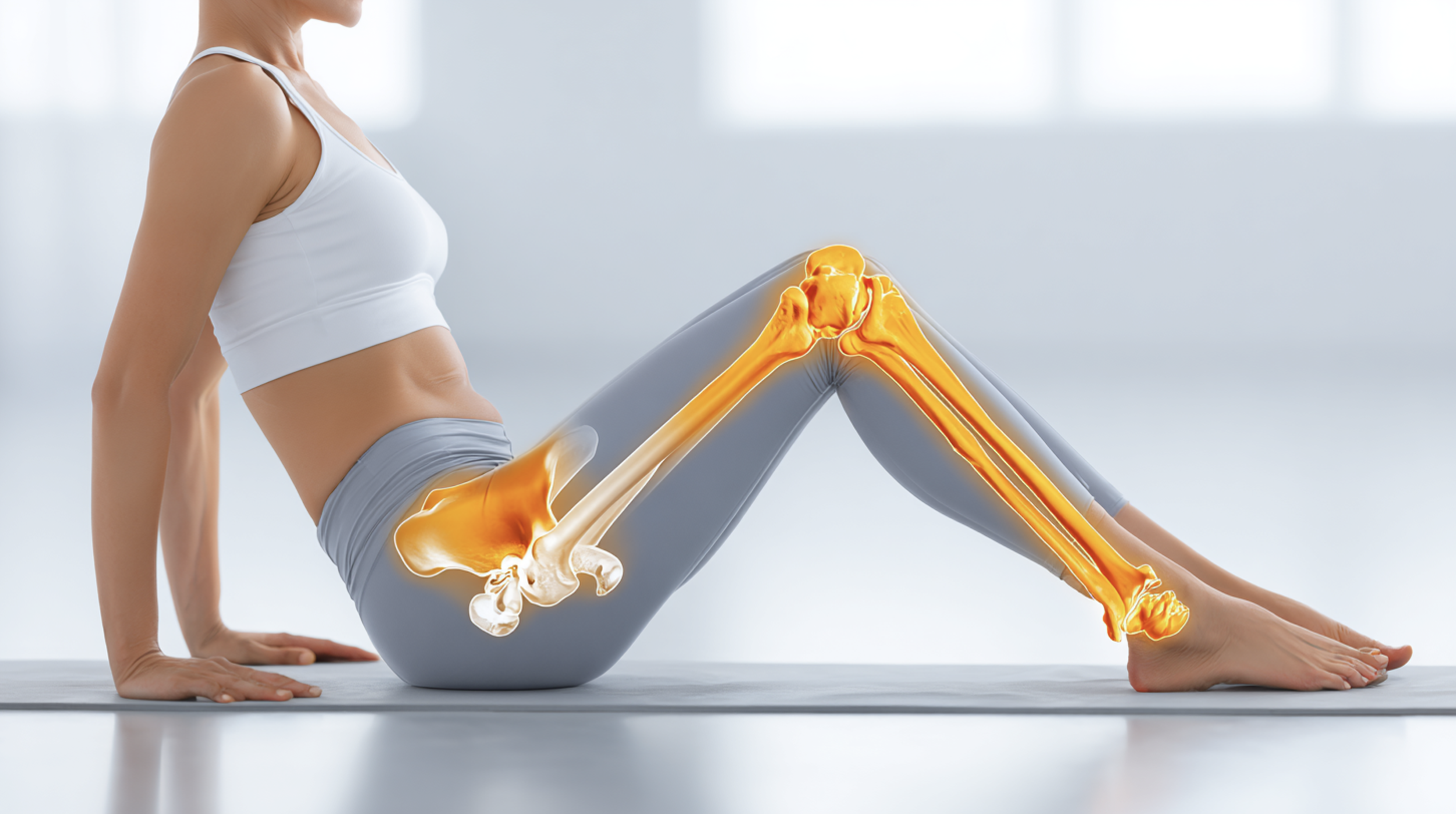
Hip Dysplasia: Page 2 - Post-Operative plan
The initial 6 to 8 weeks post-PAO are vital for setting the stage for a successful recovery. We start with gentle range of motion exercises to prevent joint stiffness and promote muscle activation. These specific movements are designed to encourage blood circulation, which is crucial for healing and reducing the risk of blood clots. Find the full, detailed exercise guide inside, including important safety guidelines and pain management protocols.
Hip Dysplasia
Receiving a diagnosis of hip dysplasia can feel overwhelming, but you’re not alone. Understanding what this condition means is the first step toward taking control of your recovery.
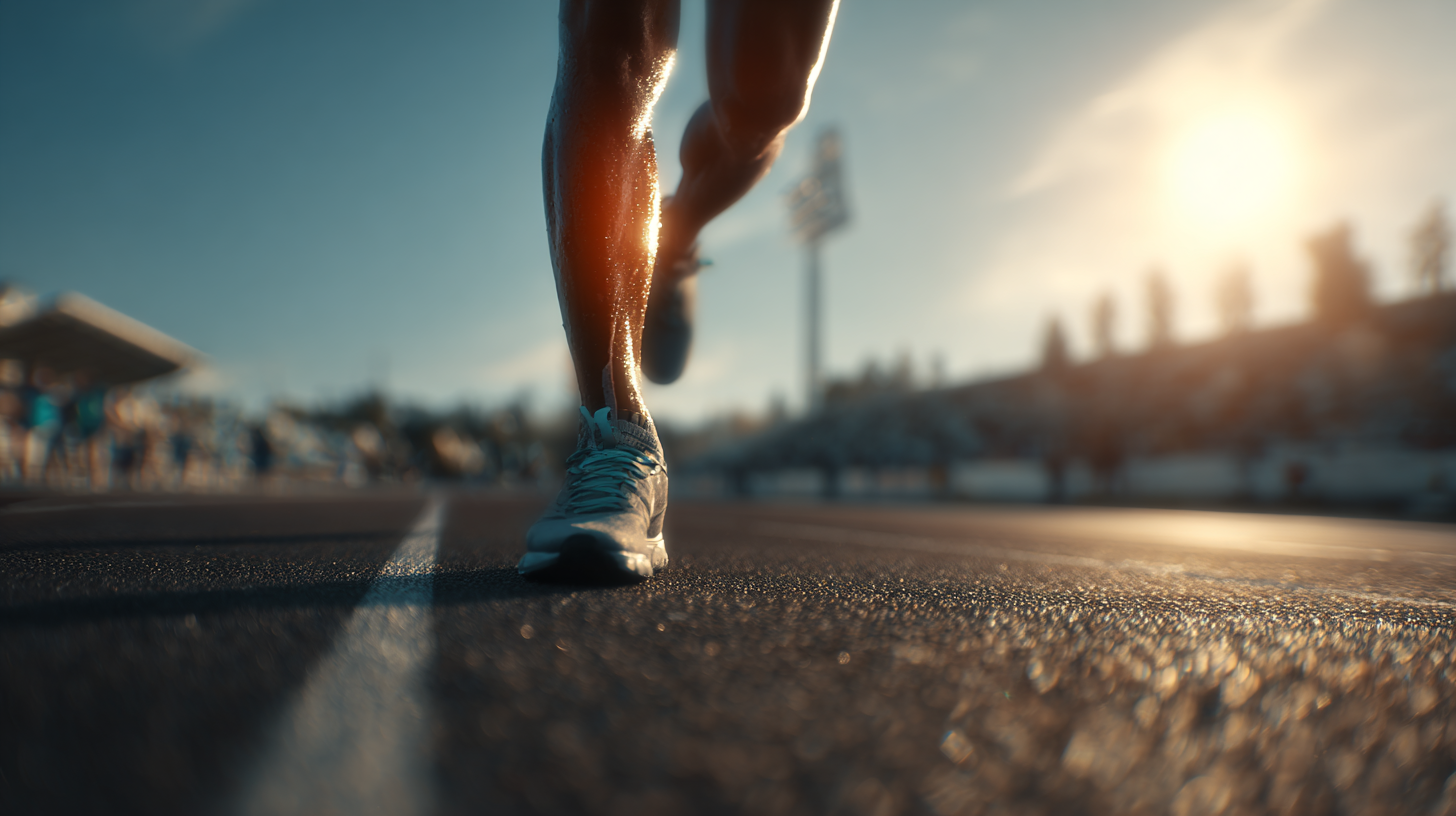
Calf Muscle Strain
Sudden pain during a sprint? You’ve likely experienced a calf strain. While "pulling a muscle" is common, the real challenge lies in the recovery. Most calf injuries are never rehabilitated to their optimal level, leaving you vulnerable to future setbacks. Learn the mechanics of a calf tear and the essential steps to ensure your first injury is your last.
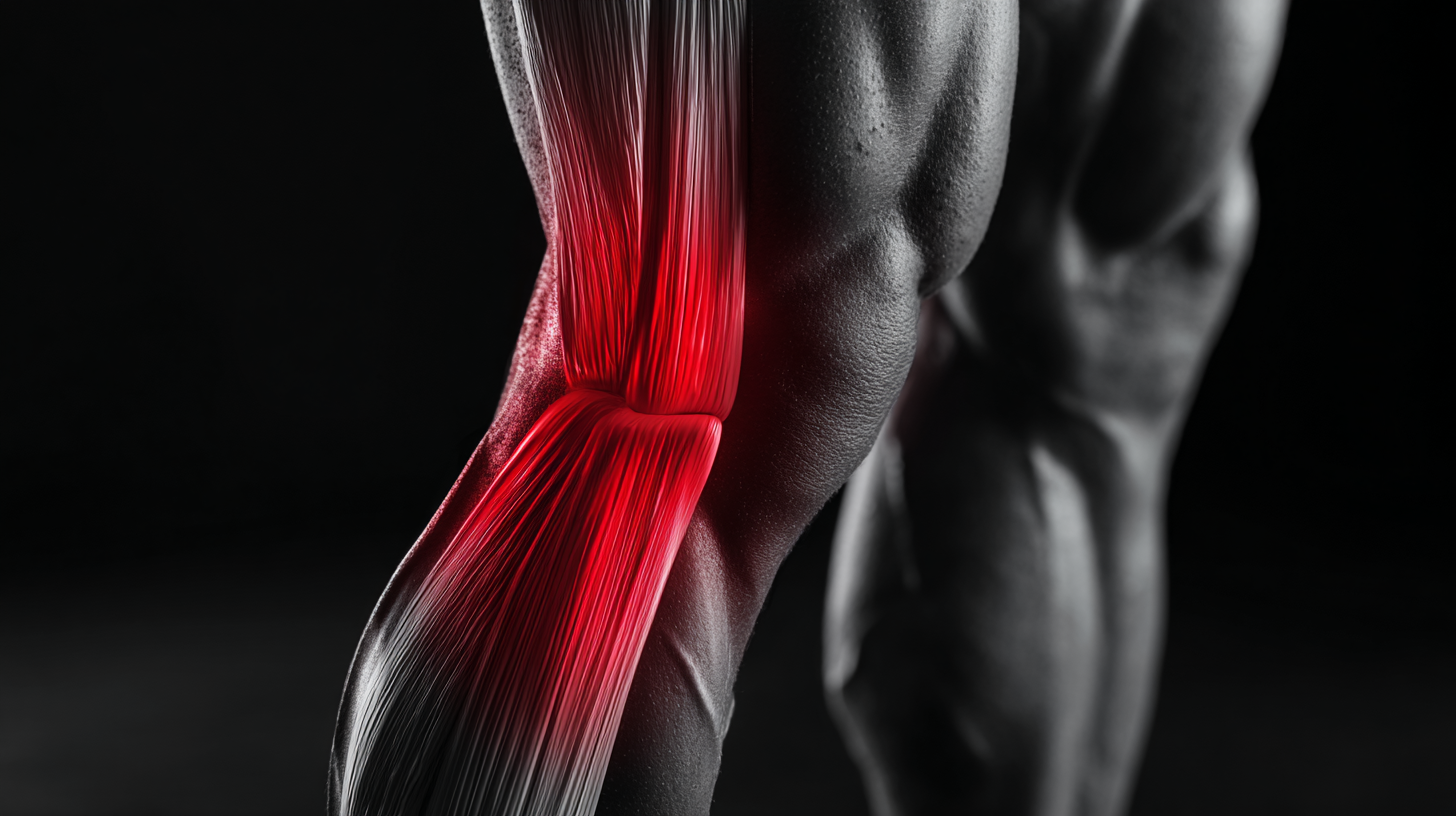
Hamstring Muscle Strain
In the clinic, we see it constantly: an athlete suffers a sharp hamstring "pull" during a sprint, rests for a week, and returns to play the moment the pain subsides—only for the muscle to ping again.
The reality of hamstring strains is that while they often heal quickly in terms of daily pain, they rarely regain their optimal strength or length without specific, targeted loading. This gap between "pain-free" and "game-ready" is where most re-injuries happen. In fact, the single biggest risk factor for a future tear is an improperly rehabilitated previous one.
Greater Trochanteric Pain Syndrome: page 4
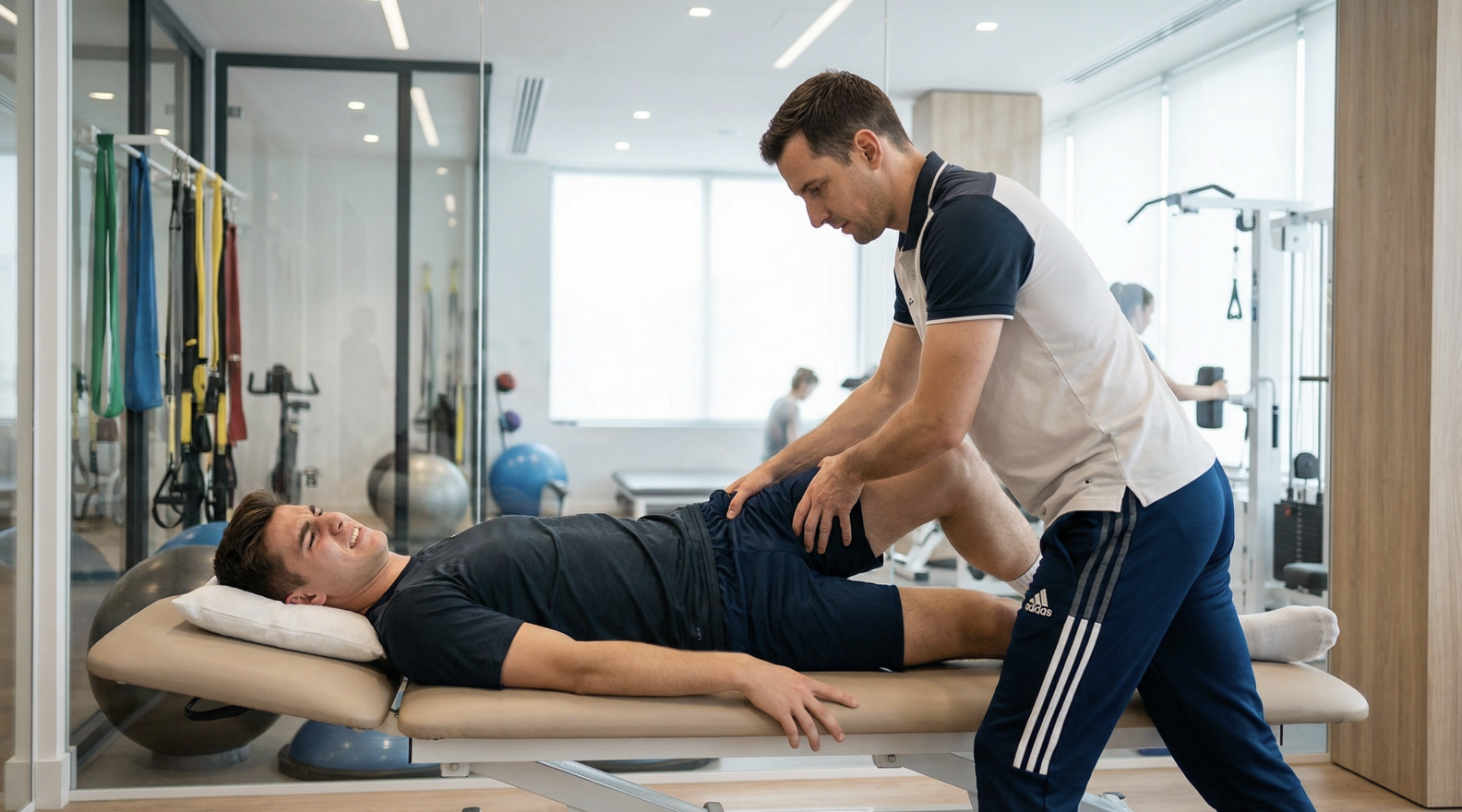
Whether it’s stopping you from running, walking, or even sleeping on your side, hip pain around the outside of your hip isn’t something to ignore. In our latest blog, we break down what Greater Trochanteric Pain Syndrome (GTPS) actually is — why it happens, how to spot the symptoms, and what you can realistically do about it with proven strategies you can start today.