
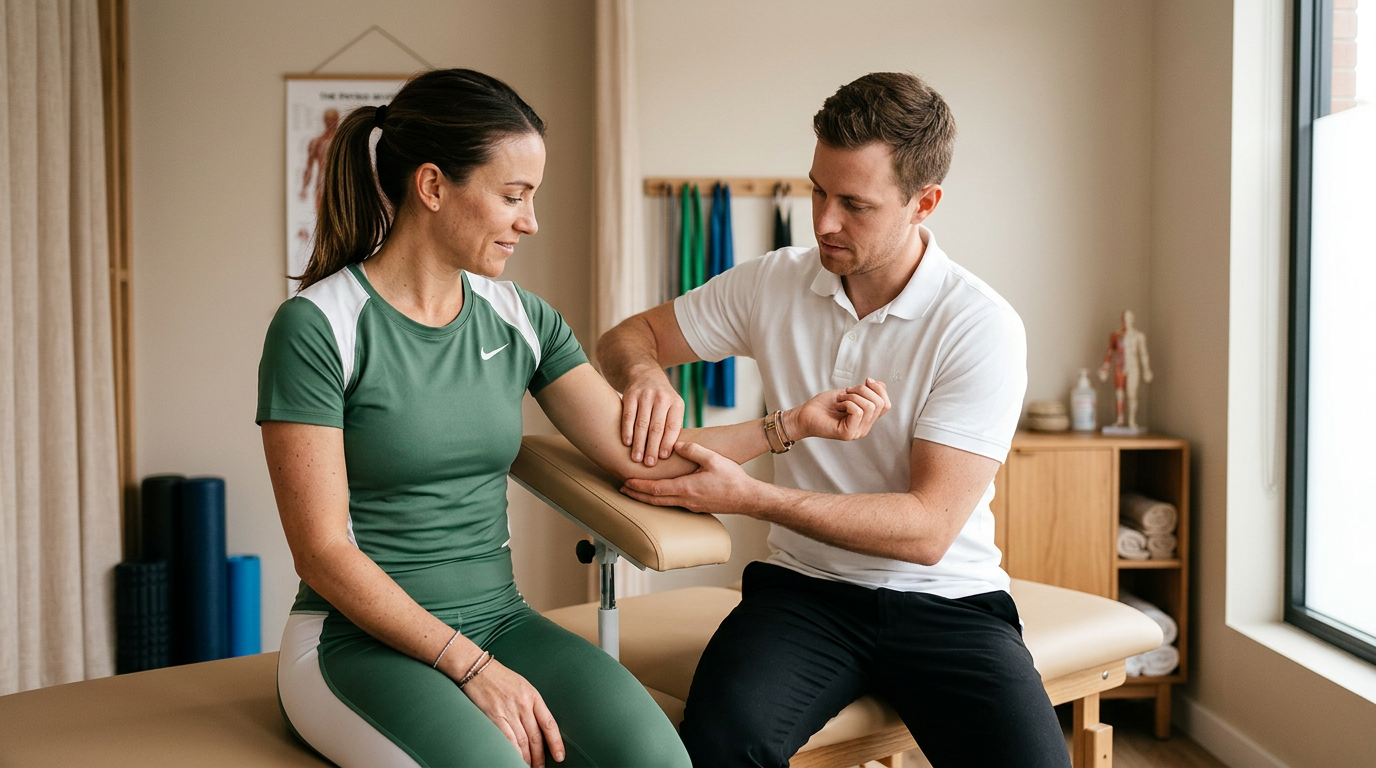
Shoulder & Elbow
Pain Treatment
Specialist physiotherapy to help reduce shoulder and elbow pain, restore strength, improve movement, and get you back to daily life, work, training, and sport with confidence.
What Causes Shoulder & Elbow Pain?
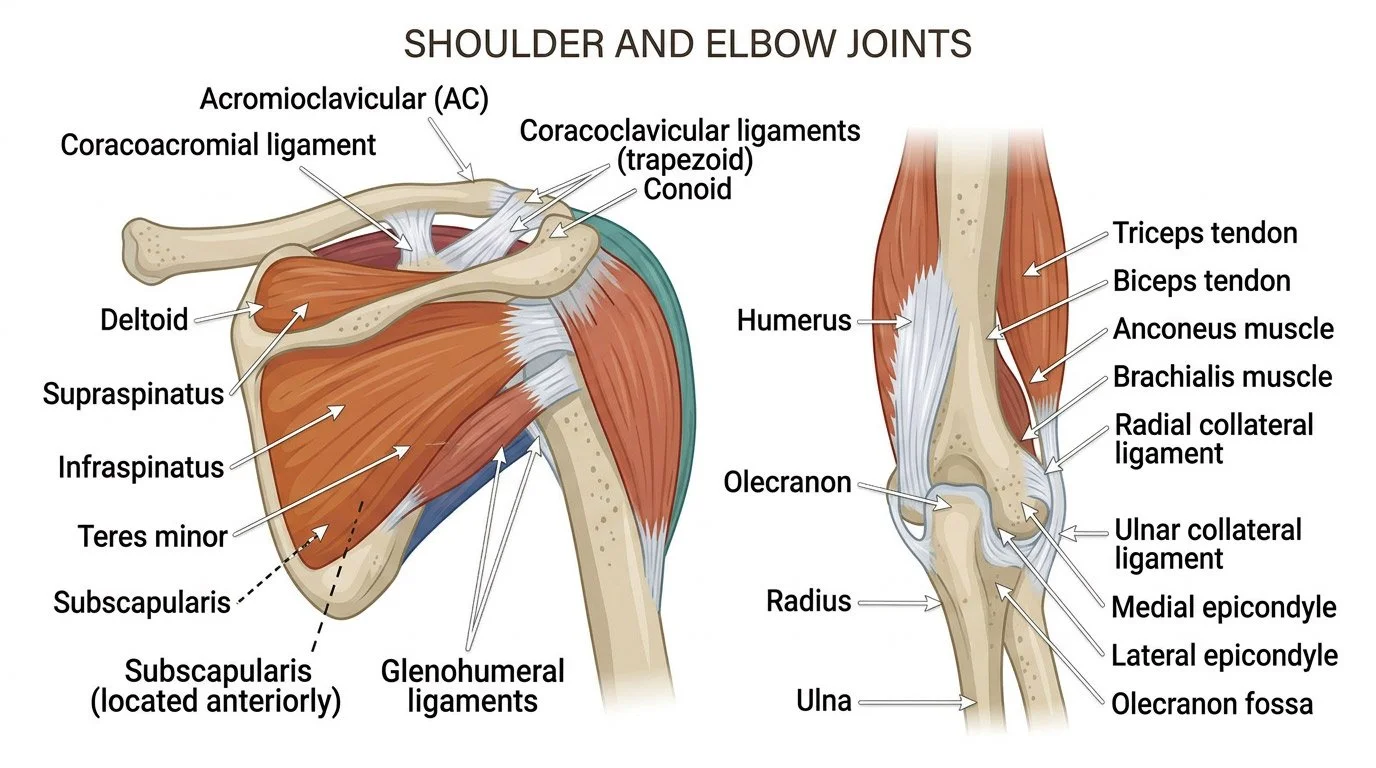
Shoulder and elbow pain can affect everything from lifting and reaching to pushing, pulling, throwing, gripping, training, and sleeping comfortably.
The shoulder is one of the most mobile joints in the body, while the elbow plays an important role in transferring force between the shoulder, arm, wrist, and hand. Because these areas work closely together, pain is not always caused by one single structure.
Symptoms can develop when muscles, tendons, joints, ligaments, or nerves become irritated, overloaded, weak, stiff, or sensitive. Pain may come on suddenly after a fall, tackle, heavy lift, awkward movement, or sporting injury. It can also build gradually over time due to repetitive strain, gym training, throwing, manual work, desk posture, reduced strength, or changes in activity levels.
At Rebuild Physiotherapy, we look at the whole picture. We assess how your shoulder, elbow, neck, upper back, and arm are moving together so we can understand what is driving your symptoms and build a clear plan to help you recover.
Common Shoulder & Elbow Problems We Treat
-
Rotator cuff related pain is one of the most common causes of shoulder pain.
The rotator cuff is a group of muscles and tendons that help control and support the shoulder during movement. When these tissues become irritated or overloaded, pain can develop with reaching, lifting, pushing, pulling, throwing, lying on the shoulder, or exercising in the gym.
Symptoms may be felt around the front, side, or back of the shoulder and can sometimes travel down the upper arm.
Physiotherapy focuses on reducing irritation, improving shoulder movement, rebuilding rotator cuff and upper back strength, and gradually restoring confidence with daily activity, work, training, and sport.
-
Shoulder instability happens when the shoulder joint does not feel as secure or controlled as it should.
This can happen after a dislocation, subluxation, fall, tackle, throwing injury, or repeated overhead loading. Some people experience a clear traumatic incident, while others notice ongoing feelings of looseness, slipping, clicking, weakness, or lack of trust in the shoulder.
Instability can affect sport, gym training, lifting, reaching, and confidence using the arm in certain positions.
Physiotherapy helps improve shoulder control, rebuild strength around the rotator cuff and shoulder blade, improve movement patterns, and gradually expose the shoulder to the positions and loads it needs to handle safely.
-
Age related rotator cuff pain can develop as the tendons around the shoulder change over time.
These changes are common and do not always mean something is seriously wrong, but they can become painful when the shoulder is irritated, weak, stiff, or being asked to do more than it can currently tolerate.
Pain may be worse with reaching overhead, lifting, carrying, getting dressed, lying on the shoulder, or doing repeated arm movements.
Physiotherapy can help by improving shoulder strength, maintaining mobility, reducing sensitivity, and giving you practical strategies to keep using the shoulder confidently. Treatment is tailored to your symptoms, goals, and how your shoulder is affecting daily life.
-
Frozen shoulder, also known as adhesive capsulitis, causes pain and stiffness in the shoulder joint.
It can make everyday movements difficult, such as reaching overhead, putting on a coat, fastening a bra, reaching behind your back, sleeping, or lifting the arm out to the side.
Frozen shoulder often develops gradually and can feel very frustrating because movement becomes increasingly restricted over time.
Physiotherapy can help manage pain, maintain as much movement as possible, improve strength around the shoulder, and guide you through each stage of recovery. Treatment is focused on keeping the shoulder moving safely, reducing discomfort, and helping you regain function as the condition improves.
-
Tennis elbow is a common cause of pain on the outside of the elbow.
Despite the name, it does not only affect tennis players. It can develop from repetitive gripping, lifting, typing, manual work, gym training, racquet sports, or any activity that repeatedly loads the forearm muscles and tendons.
Pain is often worse when gripping objects, lifting a kettle, opening jars, using tools, typing, or training.
Physiotherapy helps reduce tendon irritation, improve forearm and wrist strength, address contributing factors from the shoulder and arm, and gradually rebuild the elbow’s tolerance to gripping, lifting, work, and sport.
Shoulder & Elbow Resources & Treatments
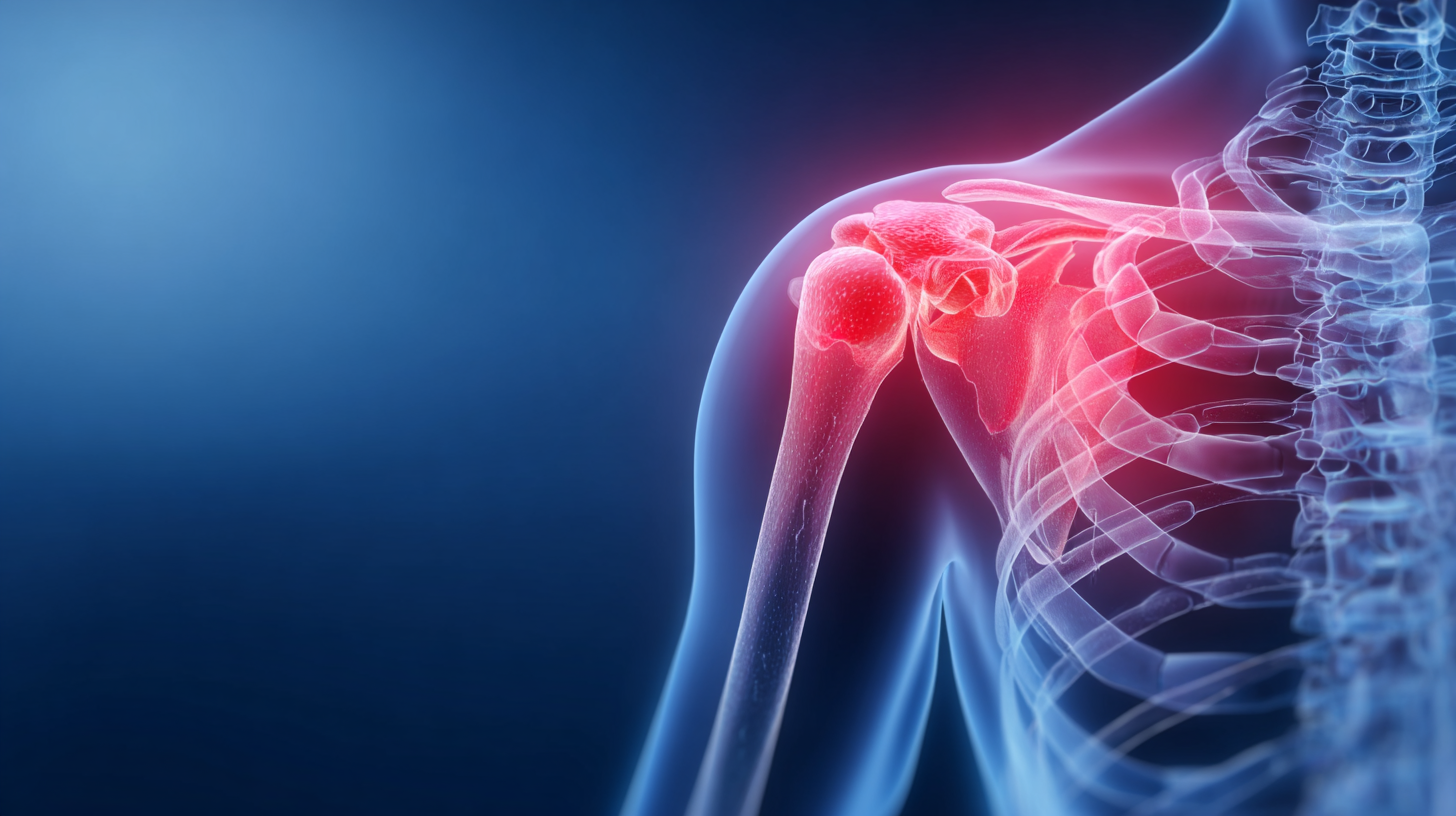

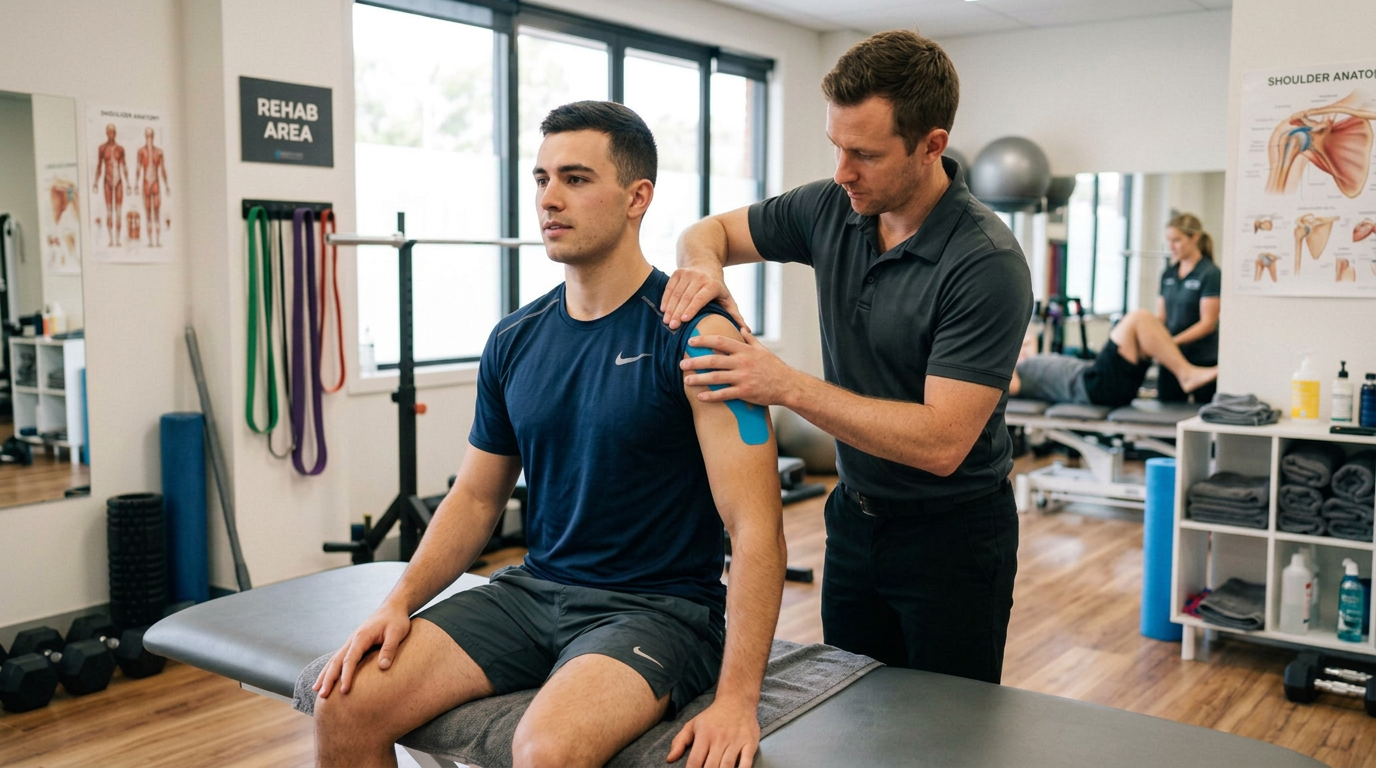
Shoulder instability happens when the structures that normally keep your shoulder stable — like ligaments, cartilage and muscles — are stretched or injured, allowing the joint to move too much or even partially dislocate. Whether it’s from a sudden injury, repetitive overhead activity, or naturally loose joints, this condition can make everyday movements painful and unpredictable. In our latest blog, we explain what shoulder instability really is, common causes and symptoms, and how physiotherapy-led exercises and strategies can help you regain control and strength.