
Wrist & Hand
Pain Treatment
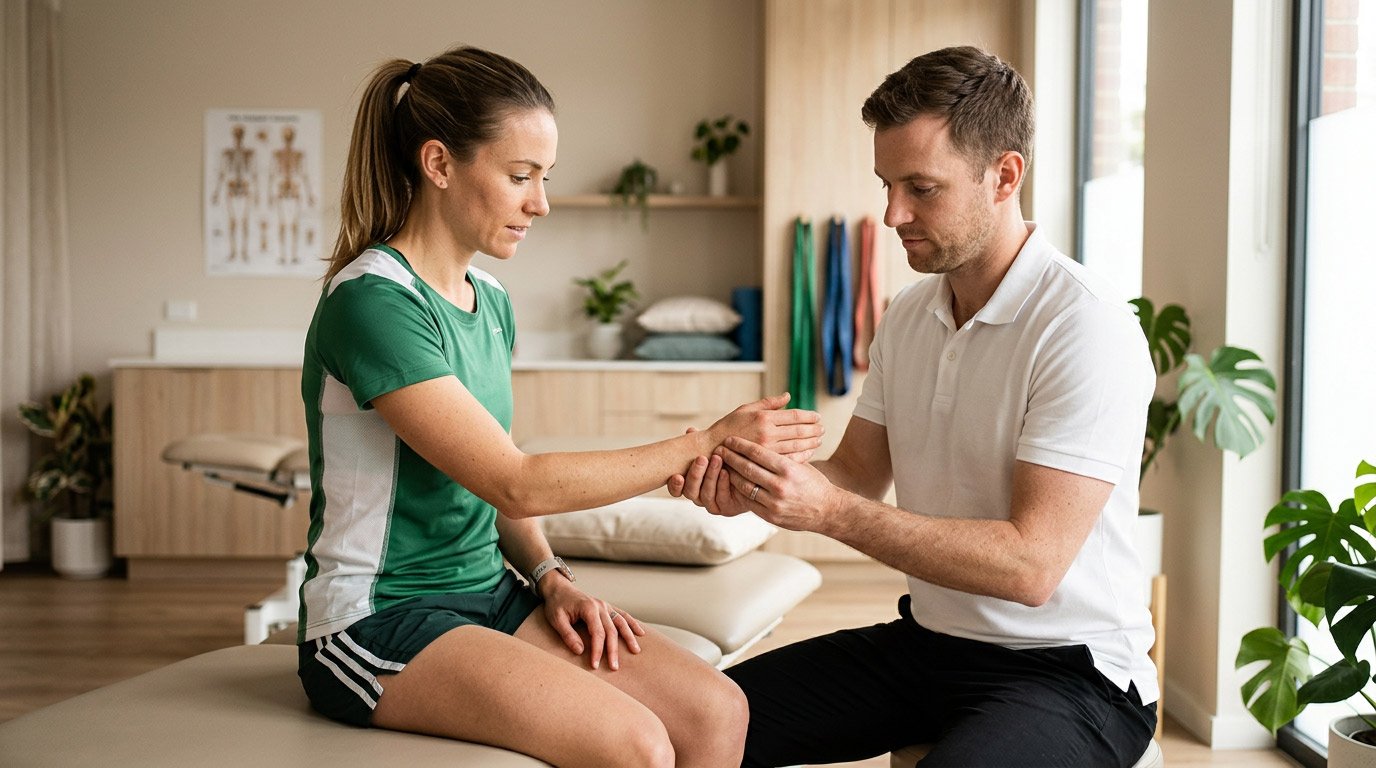
Specialist physiotherapy to help reduce wrist and hand pain, restore grip strength, improve movement, and get you back to daily life, work, training, and sport with confidence.
What Causes Wrist & Hand Pain?
Wrist and hand pain can affect everything from gripping and lifting to typing, writing, training, driving, cooking, and everyday tasks.
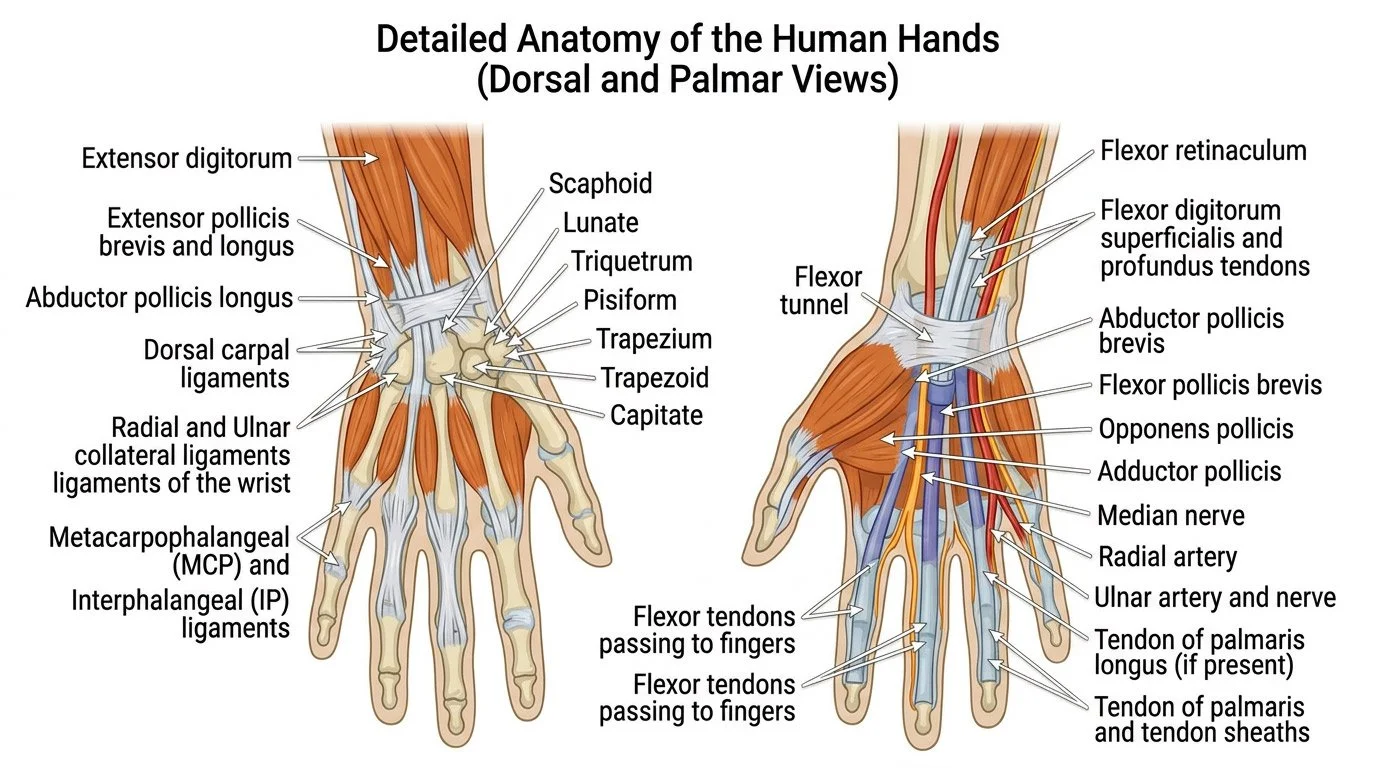
The wrist and hand are made up of many small joints, bones, tendons, ligaments, muscles, and nerves that all work together to provide movement, strength, control, and fine motor skill. Because these areas are used so often, symptoms can develop when tissues become irritated, overloaded, stiff, weak, or injured.
Pain may come on suddenly after a fall, fracture, twist, direct impact, or sporting injury. It can also build gradually over time due to repetitive gripping, typing, manual work, gym training, racket sports, arthritis, tendon irritation, or changes in activity levels.
At Rebuild Physiotherapy, we assess how your wrist, hand, fingers, elbow, shoulder, and neck are working together so we can understand what is driving your symptoms and create a clear plan to help you recover properly.
Common Wrist & Hand Problems We Treat
-
A wrist fracture usually happens after a fall onto an outstretched hand, direct impact, or sporting injury.
After a fracture, it is common to experience stiffness, swelling, weakness, reduced grip strength, and a lack of confidence using the wrist and hand. This can be especially noticeable after time in a cast, splint, or following surgery.
Physiotherapy helps restore wrist and hand movement, rebuild strength, improve grip, reduce stiffness, and support a gradual return to daily tasks, work, training, and sport.
-
Thumb osteoarthritis commonly affects the joint at the base of the thumb.
It can cause pain, stiffness, weakness, swelling, and difficulty with gripping or pinching tasks such as opening jars, turning keys, using a phone, writing, or lifting objects.
Physiotherapy can help reduce irritation, improve thumb and wrist strength, maintain joint mobility, and provide practical advice to make everyday tasks easier and less painful.
Treatment is focused on helping you keep your hand functioning well while managing symptoms confidently.
-
Trigger finger can cause catching, clicking, stiffness, or locking when bending or straightening a finger or thumb.
It is often worse first thing in the morning or after repeated gripping. Some people notice tenderness or a small painful area in the palm near the base of the affected finger.
Physiotherapy can help with advice, movement exercises, load management, splinting guidance where appropriate, and strategies to reduce irritation around the tendon and pulley system.
-
De Quervain’s is a tendon irritation that causes pain around the thumb side of the wrist.
It is often aggravated by lifting, gripping, twisting, texting, carrying bags, racket sports, gym training, or lifting a baby. Pain may travel from the thumb into the wrist and can make everyday hand use uncomfortable.
Physiotherapy focuses on reducing tendon irritation, modifying aggravating activities, improving wrist and thumb strength, and gradually restoring tolerance to gripping, lifting, and daily tasks.
-
Dupuytren’s is a condition that affects the tissue in the palm of the hand and can gradually cause one or more fingers to bend towards the palm.
It often develops slowly over time and may make it harder to place the hand flat, grip objects, put the hand in a pocket, wear gloves, or carry out daily tasks comfortably.
Physiotherapy can help maintain hand movement, support function, provide advice on stretching and strengthening where appropriate, and guide rehabilitation after procedures such as injections or surgery.
Treatment is focused on helping you maintain as much comfort, movement, and hand function as possible.
Wrist & Hand Resources & Treatments
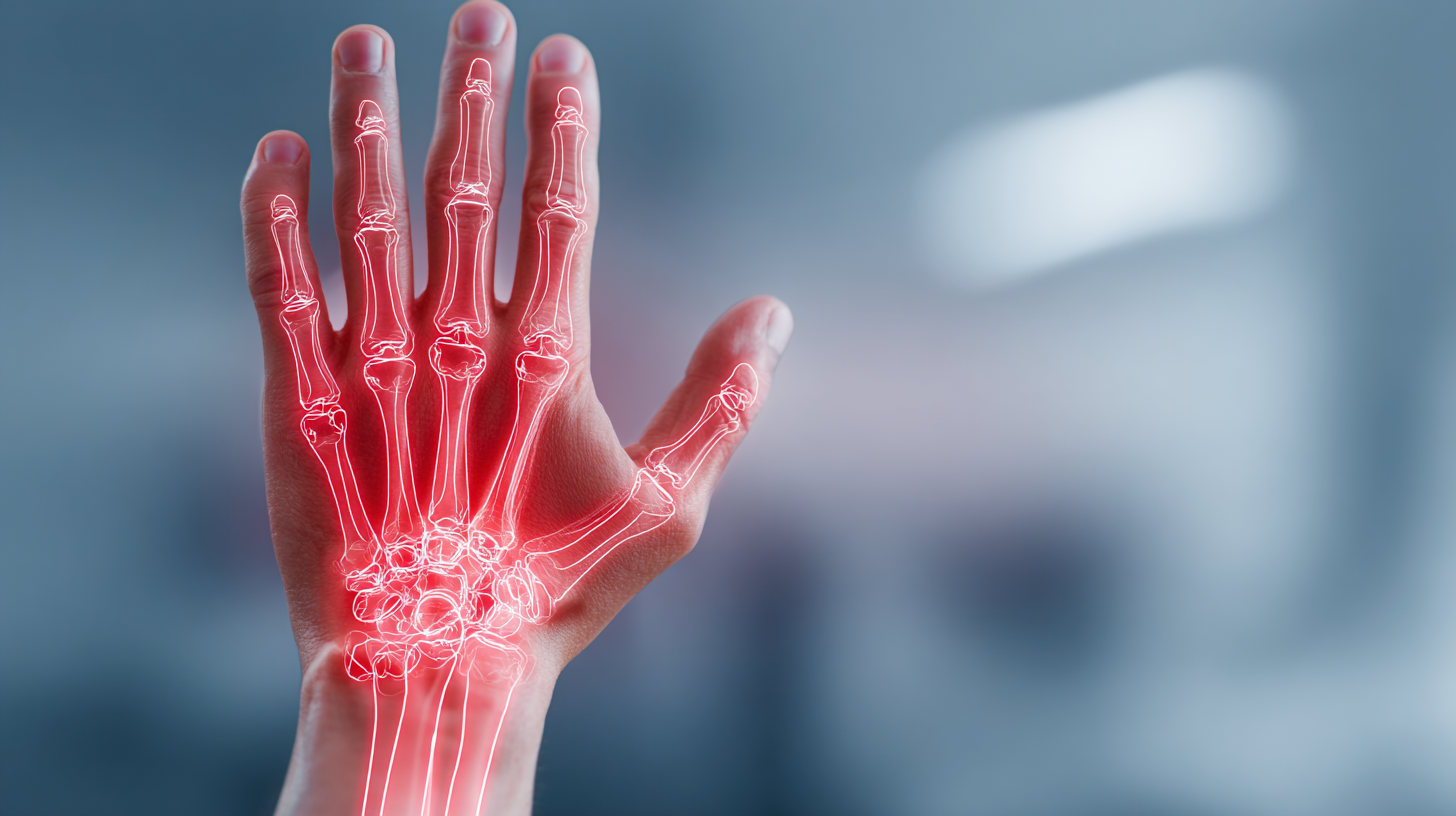
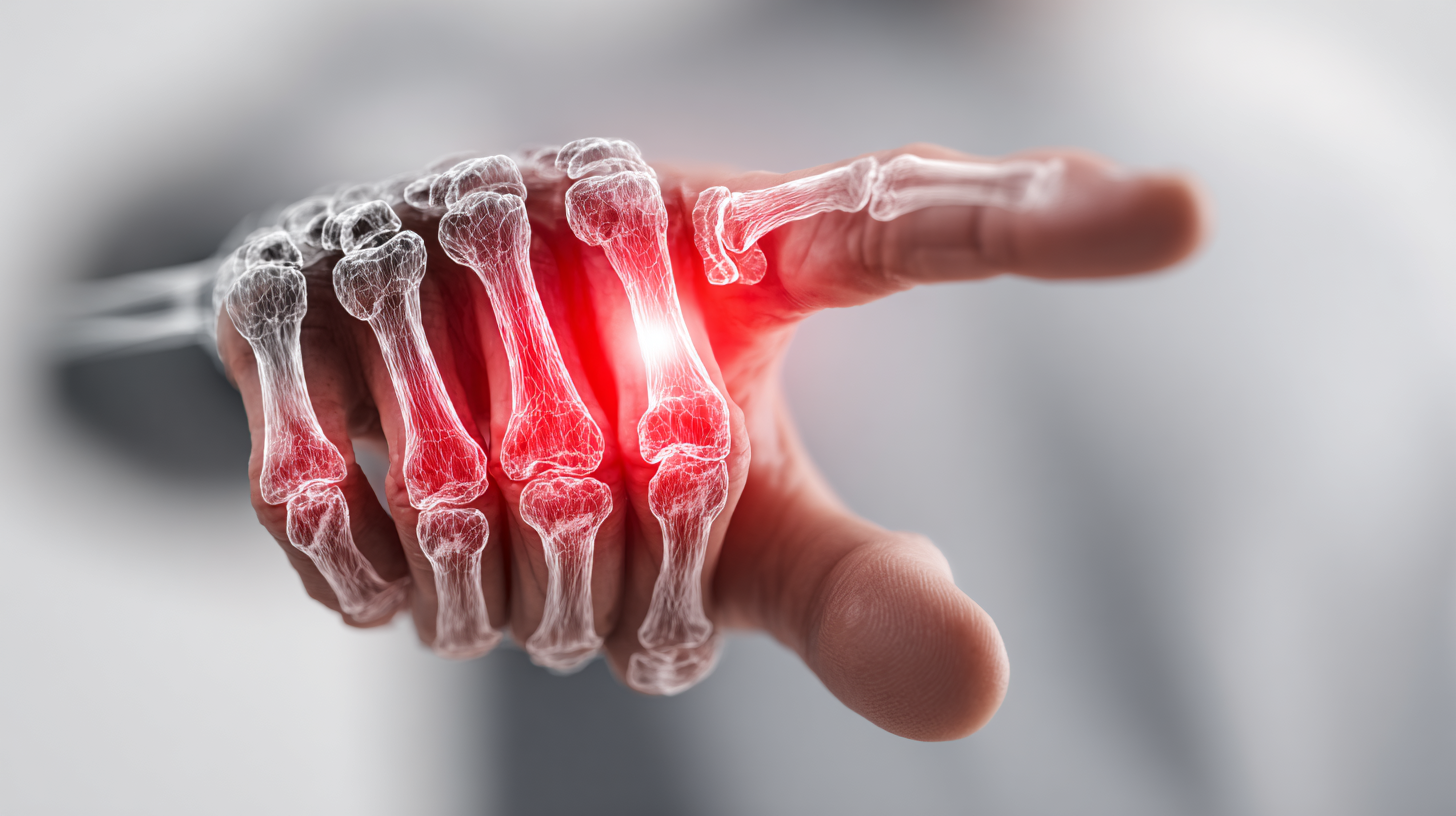

If you’re feeling achy, tender, or swollen on the thumb-side of your wrist — especially when gripping, lifting or twisting — it might be De Quervain’s Syndrome, a common tendon condition that can seriously impact everyday activities. In this blog, we break down what De Quervain’s actually is, why it happens, common symptoms, and practical ways to ease pain and get moving again with effective physio-led strategies.