
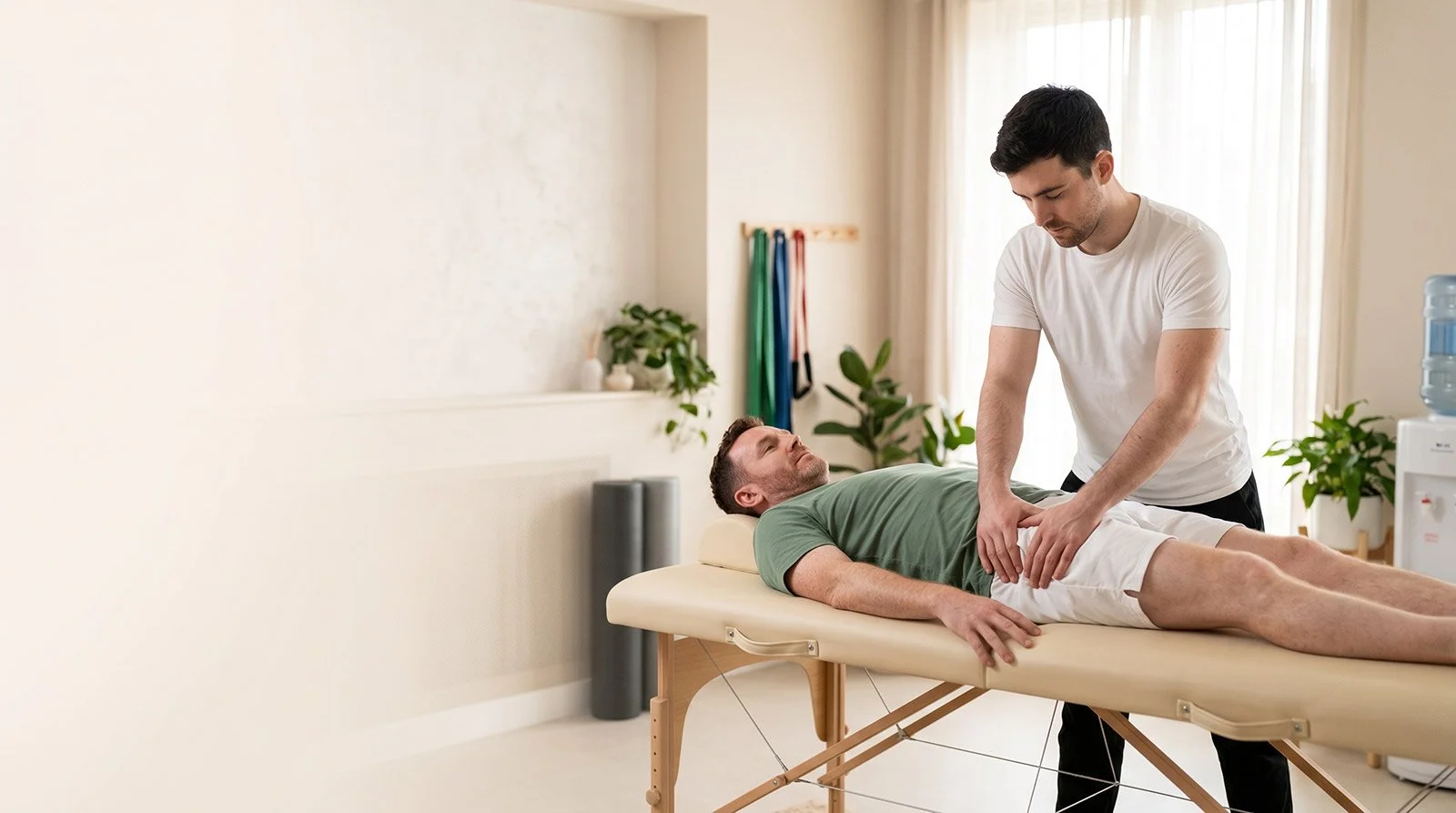
Sports Injury
Treatment
Specialist sports physiotherapy to help reduce pain, rebuild strength, restore confidence, and get you safely back to running, training, and sport.
What's Causes Sport Injuries?
Sports injuries can happen when the body is exposed to more load, speed, force, or repetition than it is currently able to tolerate.
Sometimes this happens suddenly during sprinting, jumping, landing, twisting, accelerating, or changing direction. Other times, symptoms build gradually due to training load, fatigue, weakness, reduced mobility, poor recovery, or a sudden increase in intensity.
Sports injuries can affect muscles, tendons, ligaments, joints, bones, and nerves. They are common in running, football, rugby, gym training, athletics, cycling, tennis, and other high-demand activities.
At Rebuild Physiotherapy, we look at the full picture. We assess the injury, how it happened, what your sport requires, and what your body needs to tolerate before returning safely. Treatment focuses on reducing pain, restoring movement, rebuilding strength, improving control, and guiding a structured return to sport.
Common Sports Injuries We Treat
-
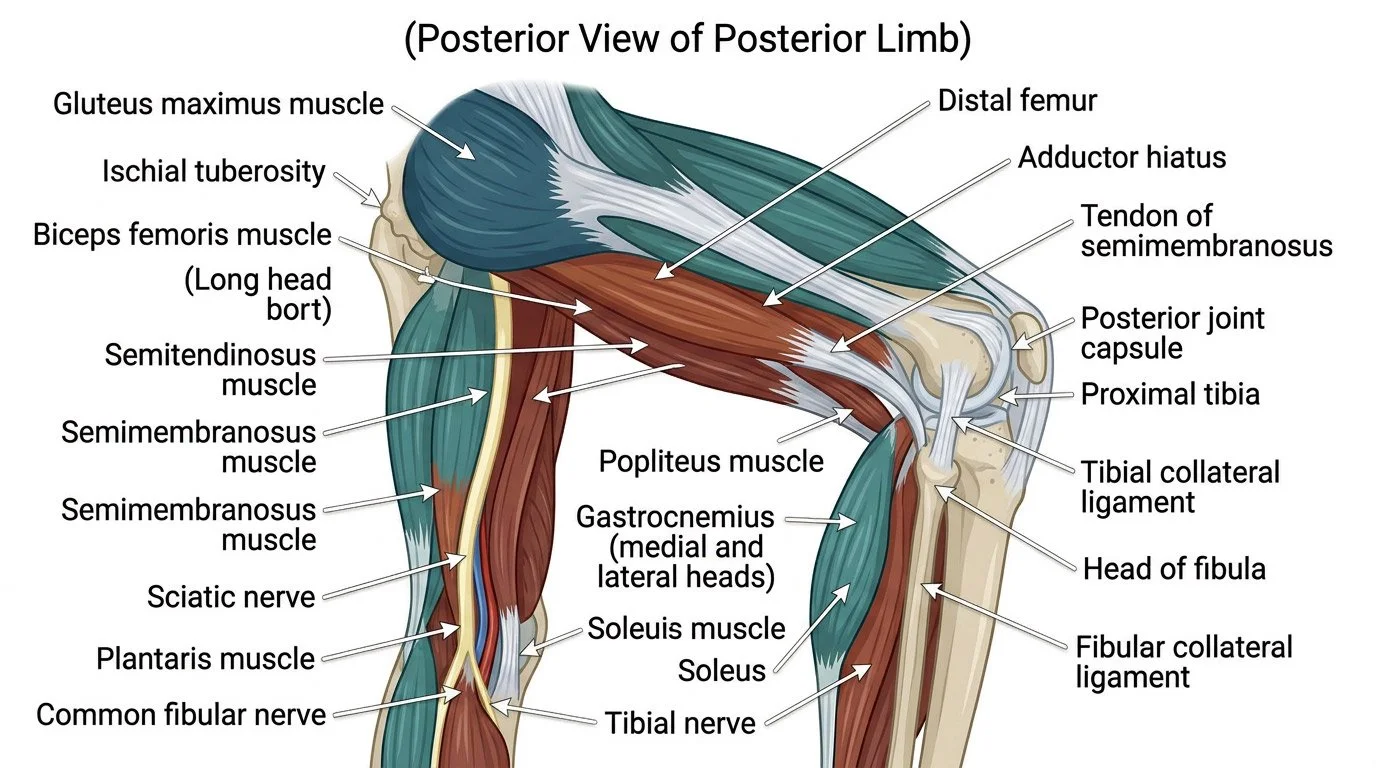
A hamstring strain is an injury to one or more of the muscles at the back of the thigh.
It commonly happens during sprinting, acceleration, kicking, lunging, or sudden changes of pace. Symptoms may include sharp pain at the back of the thigh, tightness, bruising, weakness, or difficulty running at speed.
Hamstring strains can be frustrating because they often feel better before the muscle is fully ready for sport again. Returning too quickly can increase the risk of re-injury.
Physiotherapy focuses on restoring flexibility, rebuilding hamstring strength, improving glute and pelvic control, and gradually progressing running speed, sprinting, and sport-specific movements. A clear return-to-play plan helps you get back safely and confidently.
-
A calf strain is an injury to the muscles at the back of the lower leg.
It often occurs during running, sprinting, jumping, pushing off, hill running, or sudden changes in direction. Some people describe a sharp pain, pulling sensation, or feeling as if they have been hit in the back of the leg.
Symptoms can include pain, tightness, swelling, bruising, weakness, or difficulty walking, rising onto the toes, or running.
Physiotherapy helps reduce pain, restore calf mobility, rebuild strength, and gradually reload the muscle so it can tolerate walking, running, jumping, and sport again. Treatment also looks at contributing factors such as ankle mobility, strength, training load, footwear, and running mechanics.
Sports Injury Resources & Treatments
The final stage, where the work pays off. What returning to hiking, golf, cycling, gym training, swimming and recreational sport realistically looks like, and how to protect the joint for the long term.