
Hip Resurfacing Surgery: Phase 6
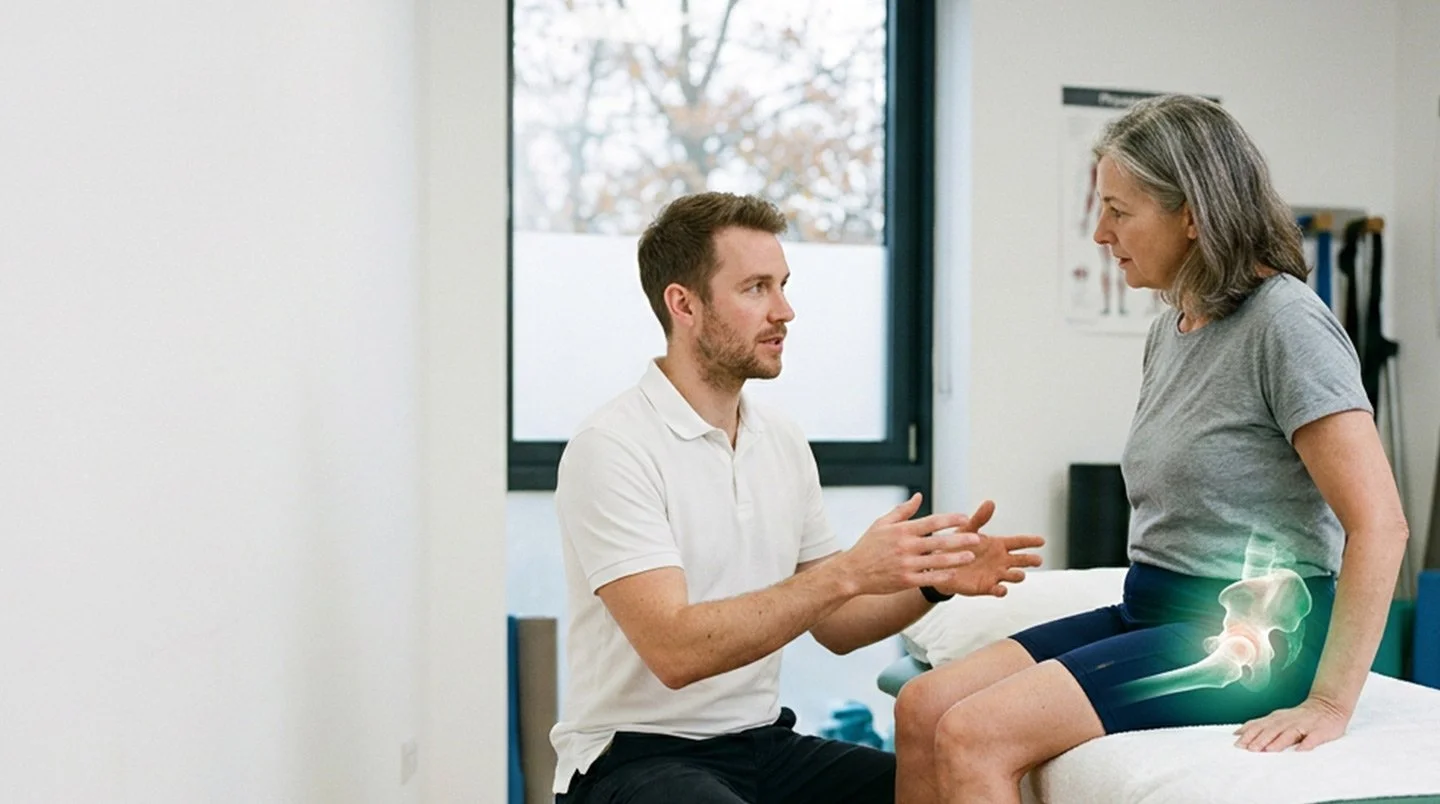
Phase 6: Return to Activity (6 – 9 + Months)
Goals:
Return to sport and recreation
Optimise long-term joint health
Maintain strength and mobility
Depending on surgeon recommendations and individual progress, patients may gradually return to:
Hiking
Golf
Cycling
Gym training
Swimming
Recreational sport
The Role of Physiotherapy After Hip Resurfacing
Physiotherapy is critical in helping patients achieve the best possible outcome.
A structured rehabilitation programme can help:
Restore movement
Rebuild muscle strength
Improve balance and confidence
Correct walking mechanics
Reduce pain
Facilitate safe return to activities
Regular assessment ensures exercises remain appropriate as healing progresses.
Long-Term Success After Hip Resurfacing
The success of hip resurfacing depends on several factors:
Appropriate patient selection
Surgical technique
Implant choice
Commitment to rehabilitation
Long-term exercise habits
Weight management
Patients who maintain strength, mobility, and a healthy body weight are more likely to enjoy excellent long-term function and satisfaction.
Final Thoughts
Hip resurfacing, particularly ceramic-on-ceramic technology, represents an exciting option for suitable patients seeking a bone-preserving solution for advanced hip osteoarthritis. While surgery can significantly reduce pain and restore function, the journey begins well before the operation and continues long afterwards.
A comprehensive programme of prehabilitation, weight management, structured rehabilitation, and progressive exercise is essential for achieving the best possible outcome.
At Rebuild Physiotherapy, we support patients through every stage of the process—from preparing for surgery to returning confidently to the activities they enjoy most.