

Spinal Pain &
Injury Treatment
Help reduce neck, back, and spinal pain, improve movement, restore strength, and get you back to daily life, work, and sport with confidence.
What Causes Spinal Injuries?
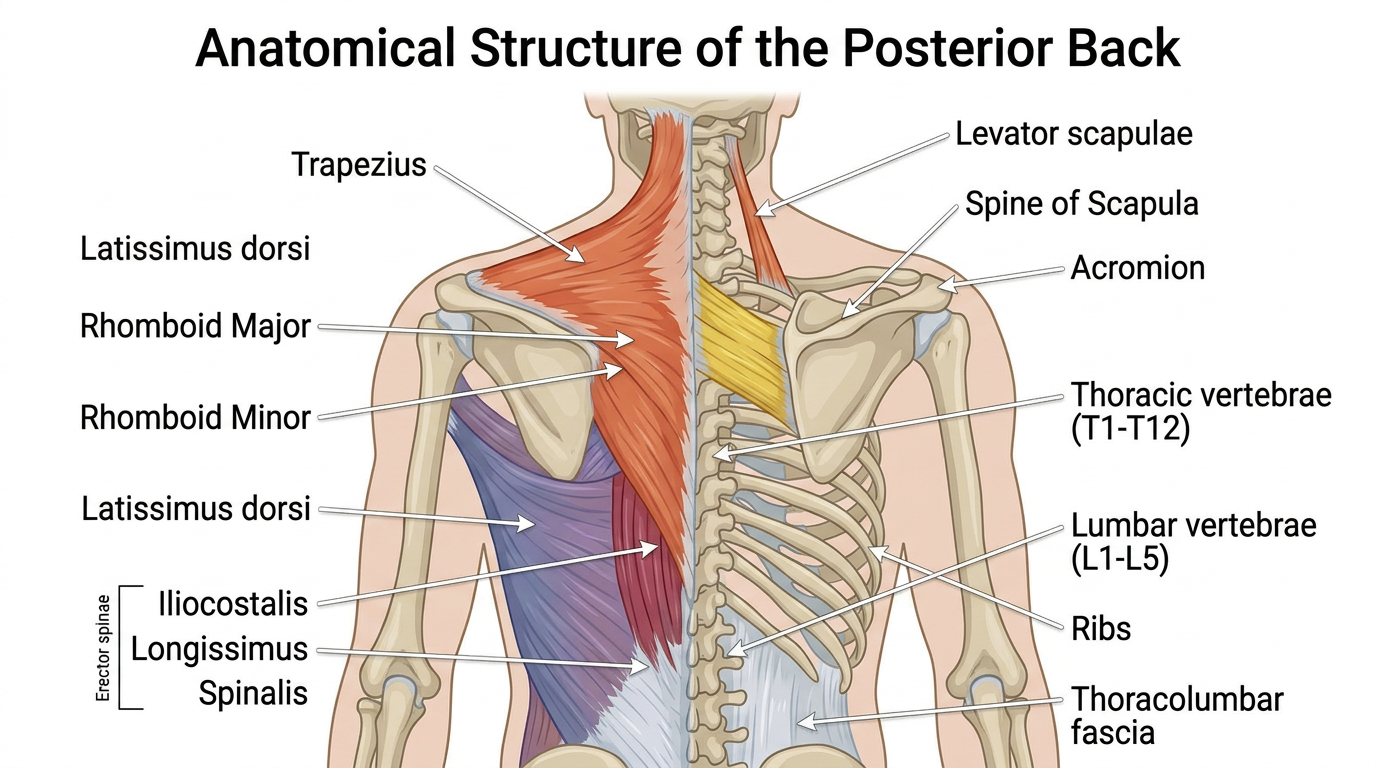
Spinal pain can affect the neck, upper back, mid-back, lower back, pelvis, or surrounding nerves and muscles.
The spine is designed to move, support your body, protect the nervous system, and help transfer force during everyday activities such as walking, lifting, sitting, bending, twisting, working, and exercising.
Because the spine works closely with the shoulders, ribs, pelvis, hips, and nervous system, pain is not always caused by one single structure. Symptoms can develop when joints, discs, muscles, ligaments, nerves, or surrounding tissues become irritated, overloaded, stiff, or sensitive.
Spinal injuries can happen suddenly after an accident, fall, heavy lift, sports injury, or road traffic collision. They can also build gradually over time due to prolonged sitting, repetitive strain, poor load management, weakness, reduced mobility, stress, posture-related overload, or changes in activity levels.
At Rebuild Physiotherapy, we take time to understand what is driving your symptoms, explain what is happening clearly, and create a treatment plan to help you move with more confidence.
-
Mechanical lower back pain is one of the most common types of back pain.
It usually refers to pain that is influenced by how the joints, muscles, discs, ligaments, and surrounding tissues of the lower back are moving and loading. Symptoms may be aggravated by bending, lifting, sitting, standing, walking, twisting, or changing position.
Mechanical lower back pain can feel sharp, stiff, achy, tight, or protective. It may stay around the lower back or spread into the hips, pelvis, or legs depending on the level of irritation.
Physiotherapy helps identify what is contributing to your pain and what your back needs to recover. Treatment may include hands-on therapy, movement work, strength exercises, education, load management, and a gradual return to normal activity, work, gym training, or sport.
-
Whiplash is a neck injury that commonly happens when the head and neck are moved suddenly forwards, backwards, or sideways.
It is often associated with road traffic accidents, falls, sports collisions, or sudden impacts. Symptoms may include neck pain, stiffness, headaches, shoulder pain, upper back pain, reduced movement, muscle tightness, dizziness, or sensitivity around the neck.
Whiplash symptoms can feel worrying, especially when they affect sleep, driving, work, or everyday movement. In many cases, physiotherapy can help reduce pain, restore movement, rebuild strength, and improve confidence using the neck again.
Treatment focuses on calming symptoms, gently improving mobility, strengthening the neck and upper back, and helping you return to daily activity in a safe and progressive way.
-
Thoracic outlet syndrome occurs when nerves or blood vessels become irritated or compressed as they pass through the space between the neck, collarbone, ribs, and shoulder.
Symptoms can include pain, tingling, numbness, heaviness, weakness, or aching into the shoulder, arm, hand, or fingers. It may be aggravated by overhead movements, prolonged sitting, lifting, carrying, driving, desk work, or certain sleeping positions.
Thoracic outlet syndrome is often linked to how the neck, shoulder, rib cage, and upper back are moving and working together.
Physiotherapy focuses on improving mobility, reducing sensitivity, strengthening the shoulder and upper back, improving posture and movement habits, and helping reduce pressure through the affected area.
-
Spinal stenosis happens when the spaces around the spinal nerves become narrowed, which can irritate or compress the nerves.
It most commonly affects the lower back or neck. Symptoms may include back or neck pain, leg pain, heaviness, tingling, numbness, weakness, or reduced walking tolerance. Some people find symptoms are worse when standing or walking and feel easier when sitting or leaning forwards.
Physiotherapy can help by improving mobility, building strength, supporting better movement strategies, and helping you manage symptoms more confidently.
Treatment is tailored to your presentation and may include exercises to improve spinal and hip movement, strengthening for the trunk and legs, walking strategies, pacing advice, and guidance on staying active safely.
-
The sacroiliac joint, or SIJ, sits where the lower spine meets the pelvis.
Sacroiliac joint pain can cause discomfort around the lower back, buttock, pelvis, hip, or groin. Symptoms may be worse with standing on one leg, walking, stairs, rolling in bed, getting in and out of the car, running, or lifting.
SIJ pain can be linked to irritation around the joint, changes in load, reduced pelvic control, pregnancy or postnatal changes, previous injury, or altered movement patterns through the lower back, hips, and pelvis.
Physiotherapy helps identify what is contributing to the irritation and focuses on improving movement, strength, stability, and confidence. Treatment may include hands-on therapy, targeted strengthening, mobility work, load management, and a progressive return to normal activity.
Knowing what’s wrong is only half the battle. This article walks you through simple, effective recovery exercises for mechanical low back pain, explaining what to do, why it works, and how to progress without making things worse.