

Strength & Conditioning Physiotherapy
Specialist strength and conditioning support to help you build resilience, improve performance, reduce injury risk, and move with confidence in sport, training, and everyday life.
What Is Strength & Conditioning?
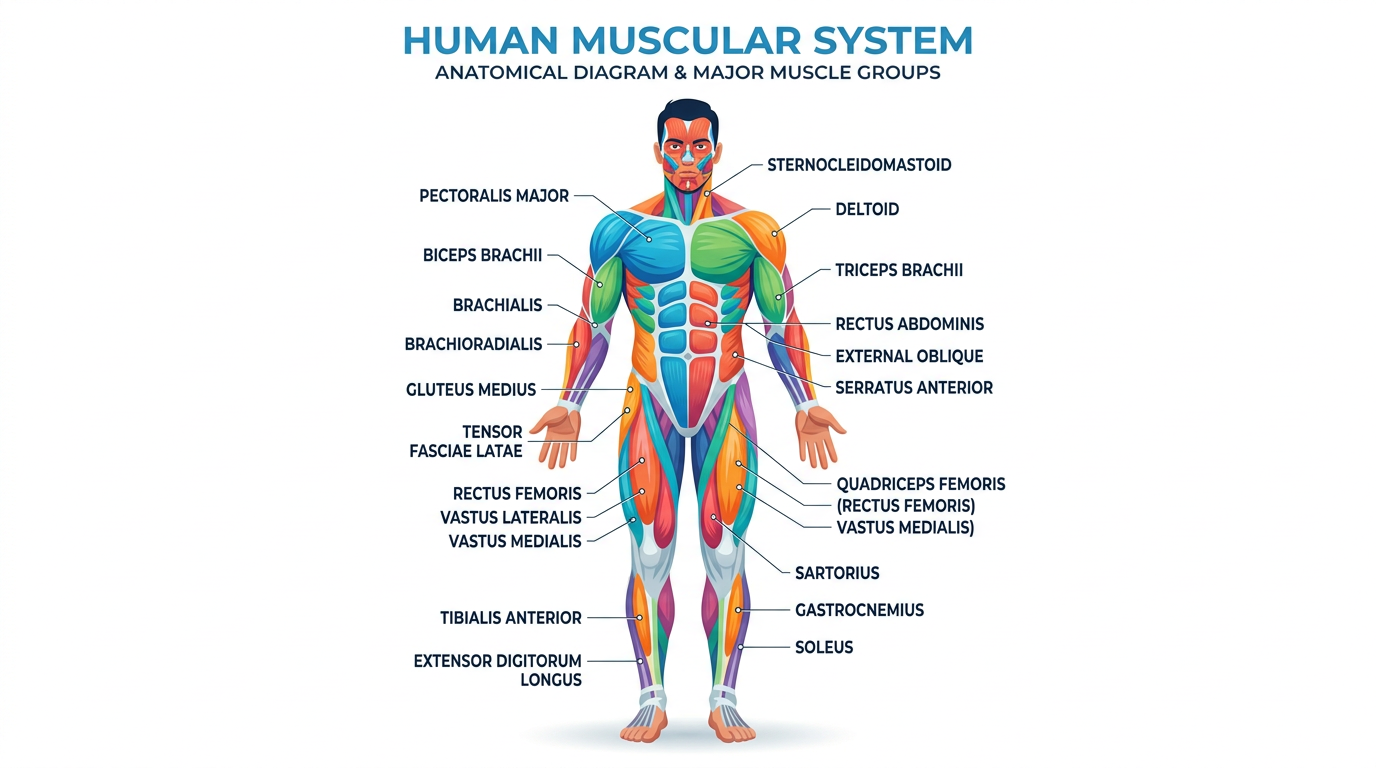
Strength and conditioning is about helping your body become stronger, more capable, and better prepared for the demands of life, work, training, or sport.
It is not just for athletes. Strength and conditioning can benefit anyone who wants to move better, reduce injury risk, improve confidence, or return to activity after pain or injury.
A good strength and conditioning plan looks at how your body moves, where you may need more strength, control, power, balance, or endurance, and what your goals actually require.
At Rebuild Physiotherapy, we use strength and conditioning to help bridge the gap between injury recovery and full return to activity. Whether you want to run again, lift in the gym, return to sport, or simply feel stronger day to day, your programme will be tailored to you.
Strength & Conditioning Treatments
-
Gym-based rehabilitation helps you rebuild strength and confidence using structured exercises that are progressed over time.
This is particularly useful after injury, surgery, periods of pain, or time away from training. It can also help people who feel unsure about what exercises are safe or how hard they should be working.
Your programme may include resistance training, movement control, balance work, conditioning, and sport or goal-specific exercises.
At Rebuild Physiotherapy, we make sure your strength work is purposeful, safe, and matched to your current ability, while gradually moving you towards your long-term goals.
-
Returning to sport after injury takes more than simply waiting for pain to settle.
Your body needs to rebuild strength, speed, power, balance, control, and confidence before it is ready for full training or competition. Without this step, it can be easy to return too soon and risk another setback.
Return to sport conditioning focuses on gradually preparing your body for the specific demands of your sport, whether that involves sprinting, jumping, landing, cutting, tackling, throwing, lifting, or repeated high-intensity effort.
At Rebuild Physiotherapy, we help guide this process with a structured plan so you know when to progress, when to push, and when to hold back.
-
Injury prevention is about building a body that can better tolerate the demands placed on it.
This may involve improving strength, mobility, balance, control, landing mechanics, running capacity, or sport-specific movement patterns. It is especially useful for people with recurring injuries, previous setbacks, or those increasing their training load.
Physiotherapy-led injury prevention looks at your individual risk factors rather than giving you a generic programme.
We assess how you move, where you may be underprepared, and what your sport or lifestyle requires, then build a plan to help reduce the chance of future injury.
-
Running places repeated load through the hips, knees, ankles, feet, muscles, tendons, and joints.
If your body is not prepared for that load, symptoms can build over time. This may include calf pain, Achilles issues, knee pain, hip pain, hamstring problems, or recurring niggles that stop you training consistently.
Running strength and conditioning focuses on improving the strength, control, and capacity needed for efficient and resilient running.
Treatment may include calf strengthening, hip and glute work, hamstring loading, plyometrics, running drills, load management, and a gradual return-to-running plan where needed.
-
Strength and conditioning can also help improve how you perform, not just how you recover.
This may involve developing strength, power, speed, agility, endurance, coordination, and movement efficiency. It can be useful for athletes, gym-goers, runners, field sport players, or anyone wanting to feel more capable in their body.
Performance-focused physiotherapy looks at the physical qualities you need for your sport or activity and identifies where improvements can be made.
Your plan is then built around helping you move better, tolerate more load, and perform with greater confidence.
Stregth & Conditioning Resources & Treatments
The final stage, where the work pays off. What returning to hiking, golf, cycling, gym training, swimming and recreational sport realistically looks like, and how to protect the joint for the long term.