

Calf Muscle Strain
Sudden pain during a sprint? You’ve likely experienced a calf strain. While "pulling a muscle" is common, the real challenge lies in the recovery. Most calf injuries are never rehabilitated to their optimal level, leaving you vulnerable to future setbacks. Learn the mechanics of a calf tear and the essential steps to ensure your first injury is your last.
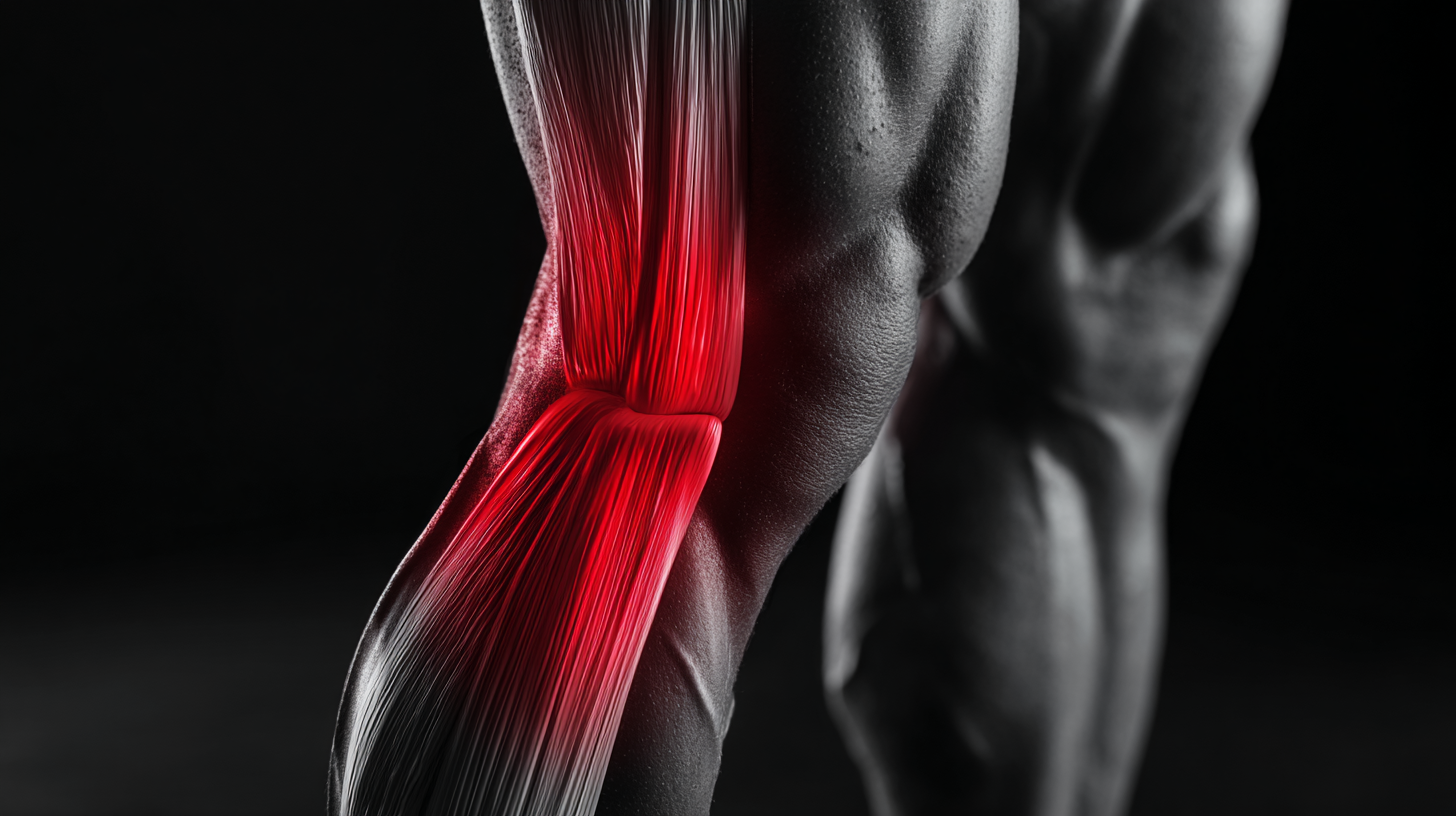
Hamstring Muscle Strain
In the clinic, we see it constantly: an athlete suffers a sharp hamstring "pull" during a sprint, rests for a week, and returns to play the moment the pain subsides—only for the muscle to ping again.
The reality of hamstring strains is that while they often heal quickly in terms of daily pain, they rarely regain their optimal strength or length without specific, targeted loading. This gap between "pain-free" and "game-ready" is where most re-injuries happen. In fact, the single biggest risk factor for a future tear is an improperly rehabilitated previous one.
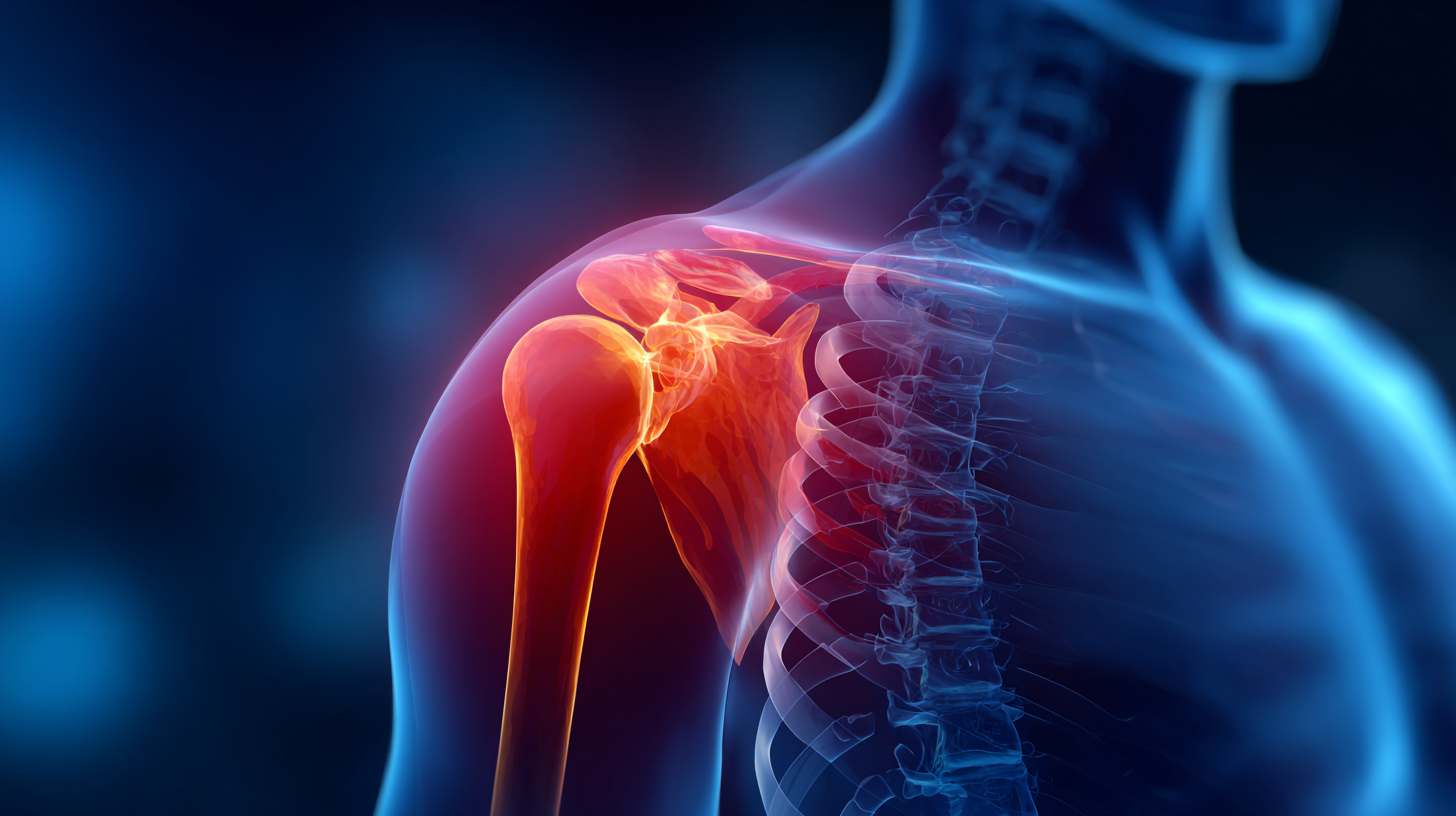
Shoulder Instability
Shoulder instability happens when the structures that normally keep your shoulder stable — like ligaments, cartilage and muscles — are stretched or injured, allowing the joint to move too much or even partially dislocate. Whether it’s from a sudden injury, repetitive overhead activity, or naturally loose joints, this condition can make everyday movements painful and unpredictable. In our latest blog, we explain what shoulder instability really is, common causes and symptoms, and how physiotherapy-led exercises and strategies can help you regain control and strength.
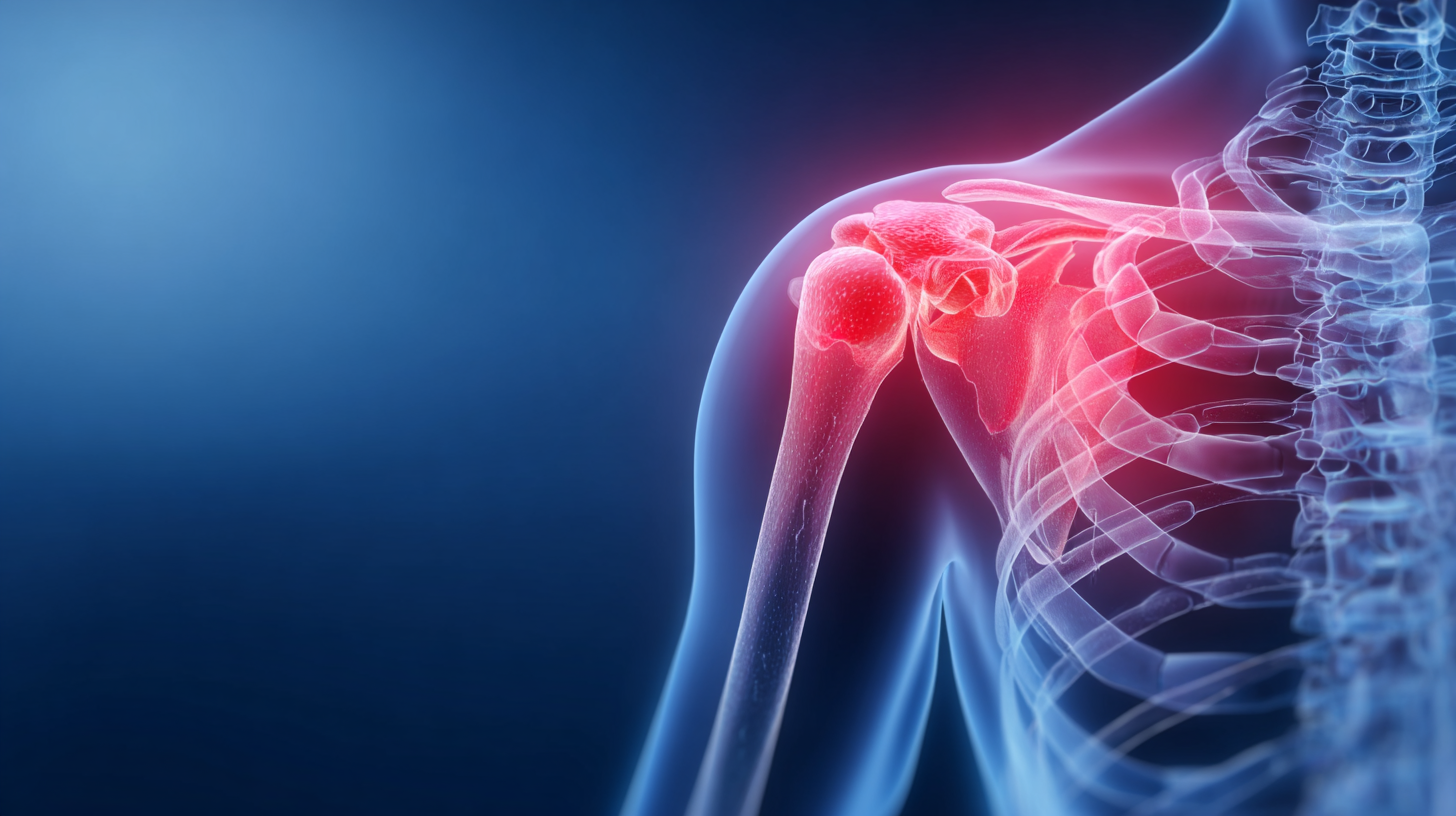
Age Related Rotator Cuff Tear
As we get older, the tendons in our shoulder can weaken and change — sometimes leading to an age-related rotator cuff tear that affects strength and movement, even without a major injury. In this article, we explain what an age-related rotator cuff tear is, the common symptoms to watch for, and gentle ways to keep moving, reduce pain, and regain function with practical physio-led advice.
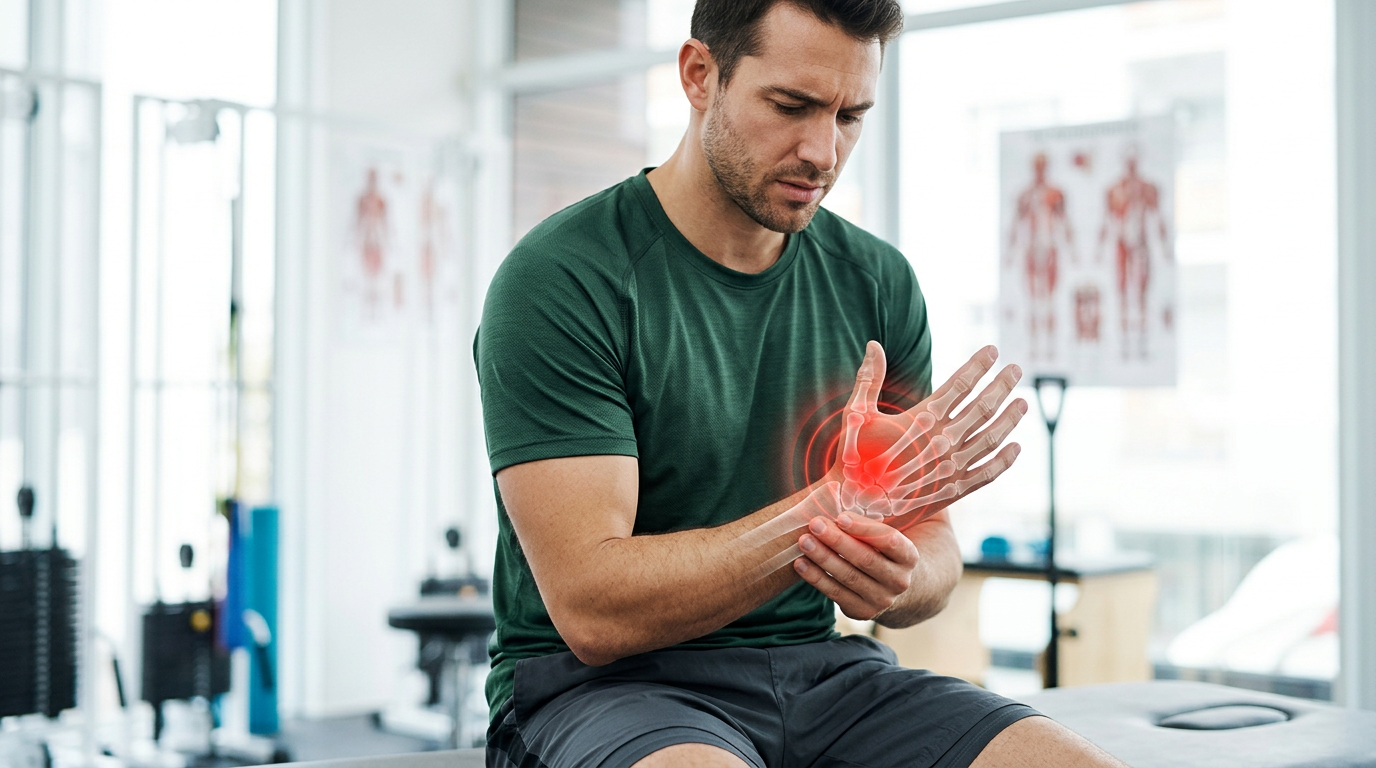
De Quervain’s Syndrome
If you’re feeling achy, tender, or swollen on the thumb-side of your wrist — especially when gripping, lifting or twisting — it might be De Quervain’s Syndrome, a common tendon condition that can seriously impact everyday activities. In this blog, we break down what De Quervain’s actually is, why it happens, common symptoms, and practical ways to ease pain and get moving again with effective physio-led strategies.

Tennis Elbow
You don’t have to be a tennis player to suffer from Tennis Elbow — it’s a common overuse injury that can make everyday tasks like lifting, pushing or typing painful and frustrating. In our latest blog, we break down what tennis elbow really is, why it happens, and how targeted exercises and smart loading strategies can help you manage pain and start recovering for good.
Frozen Shoulder
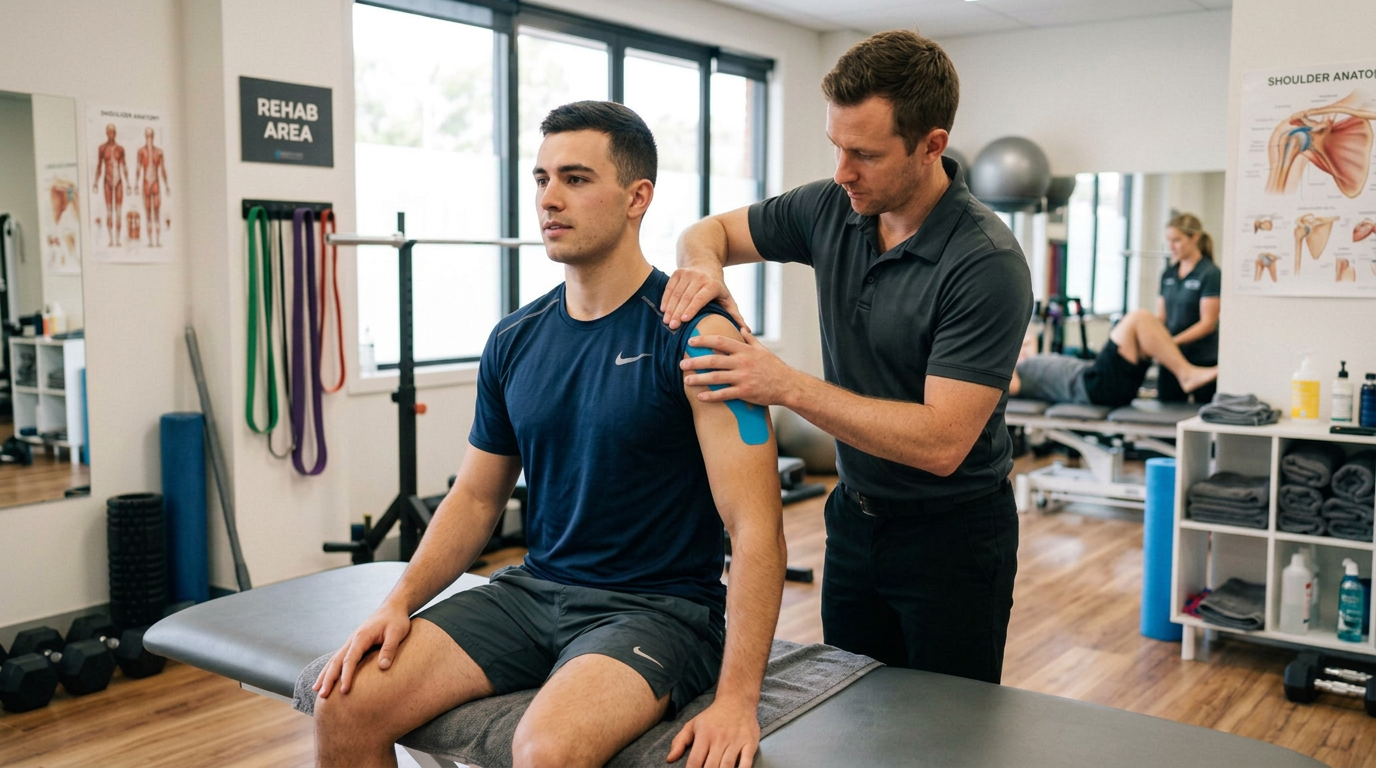
If your shoulder feels tight, sore, and just won’t move the way it used to, you might be dealing with a Frozen Shoulder — a condition that can take months (or even years) to resolve without the right care. In our latest blog, we explain what frozen shoulder really is, the stages it goes through, why it happens, and how physiotherapy and simple exercises can make a real difference in your recovery.
Ankle Fractures
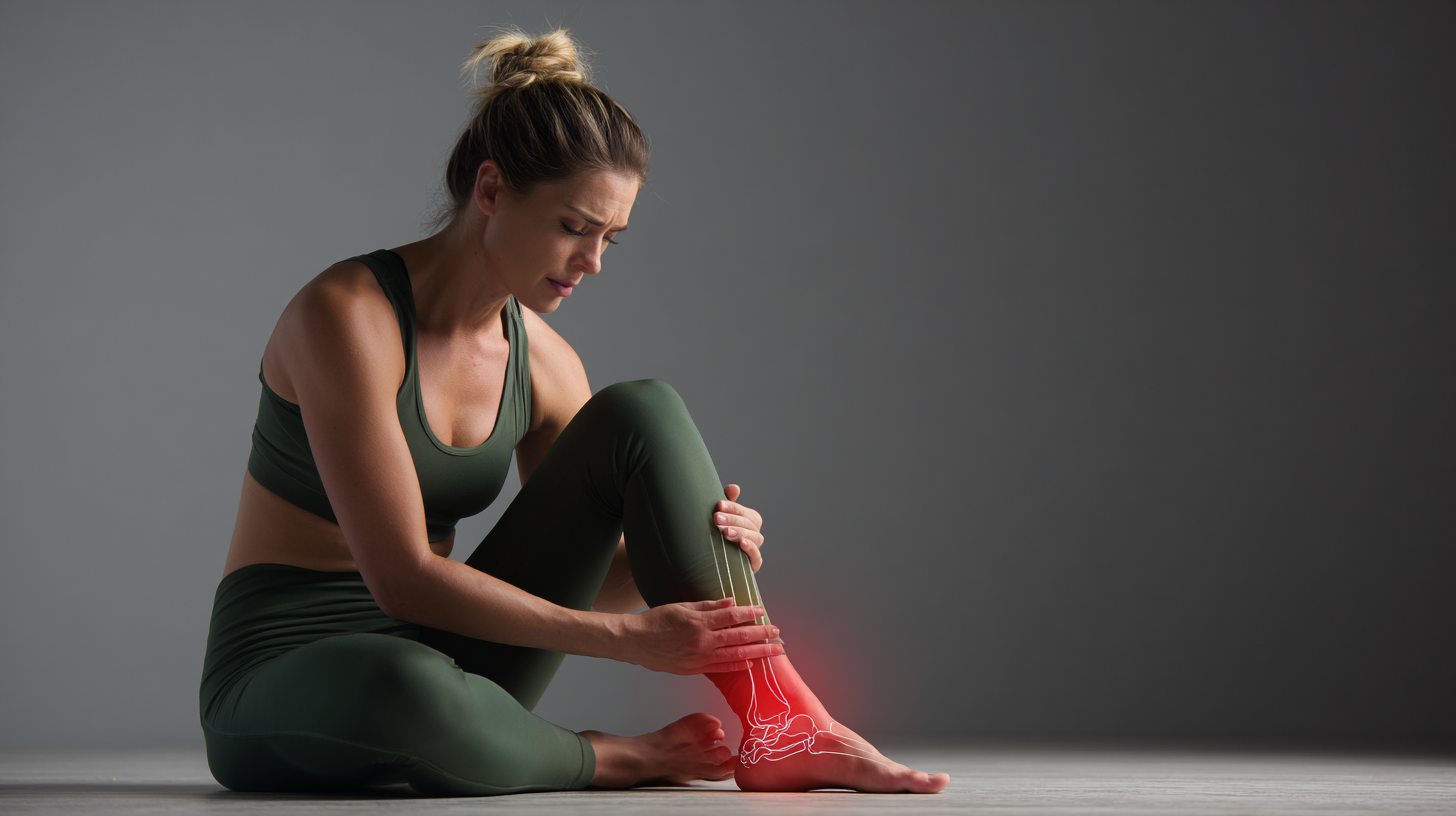
An ankle fracture can feel overwhelming — suddenly everything from walking to standing feels uncertain. The good news? With the right, science-led approach, recovery doesn’t have to be confusing or rushed. In this post, we break down how the ankle really works, what happens when it’s fractured, and how a structured exercise-based plan can safely guide you back to normal movement, strength, and confidence.