
Physiotherapy After Total Hip Replacement: Phase 3 - Motor Control, Early Strengthening and Functional Rehabilitation (Weeks 12 - 18)
Twelve weeks on, rehabilitation moves into squats, lunges and single-leg work at 10–15 repetitions for 3 sets, three to five times a week. Balance, endurance and confidence with everyday movement are the priorities.
Physiotherapy After Total Hip Replacement: Phase 2: Muscle activation and Mobility Restoration (Weeks 6 - 12)
From six weeks the focus shifts from protecting the hip to rebuilding it. Glute and abductor strengthening, restoring range of motion, and gait retraining to undo the compensatory walking patterns that built up before surgery.
Physiotherapy After Total Hip Replacement
The first six weeks are about protecting the new hip, settling pain and swelling, and getting moving again — often on the day of surgery itself. Early exercises with dosage, walking aids, and the education that matters most in this window.
Total Hip Replacement (THR)
Hip osteoarthritis is one of the most common causes of persistent hip pain in adults, but not everyone with it needs surgery. Covers hip anatomy, how osteoarthritis is diagnosed, when a replacement is recommended, and why weight loss and prehabilitation beforehand make the recovery easier.
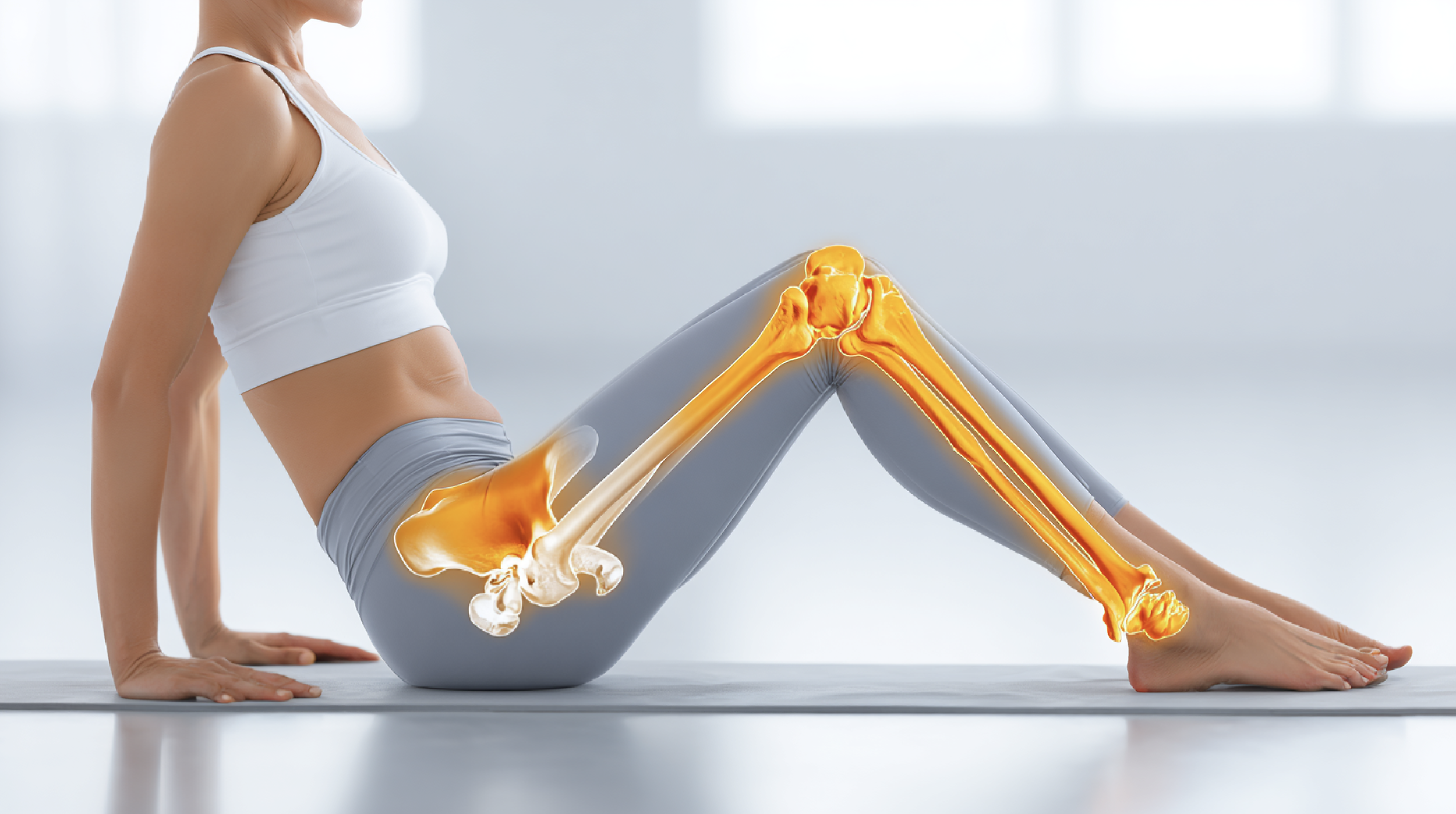
Hip Dysplasia: Page 6 - Return to Sport
Strength is only part of the journey back to sport. To run, jump, change direction, and perform at your best, your body needs to generate force quickly and efficiently. That's where plyometric and ballistic training come in.
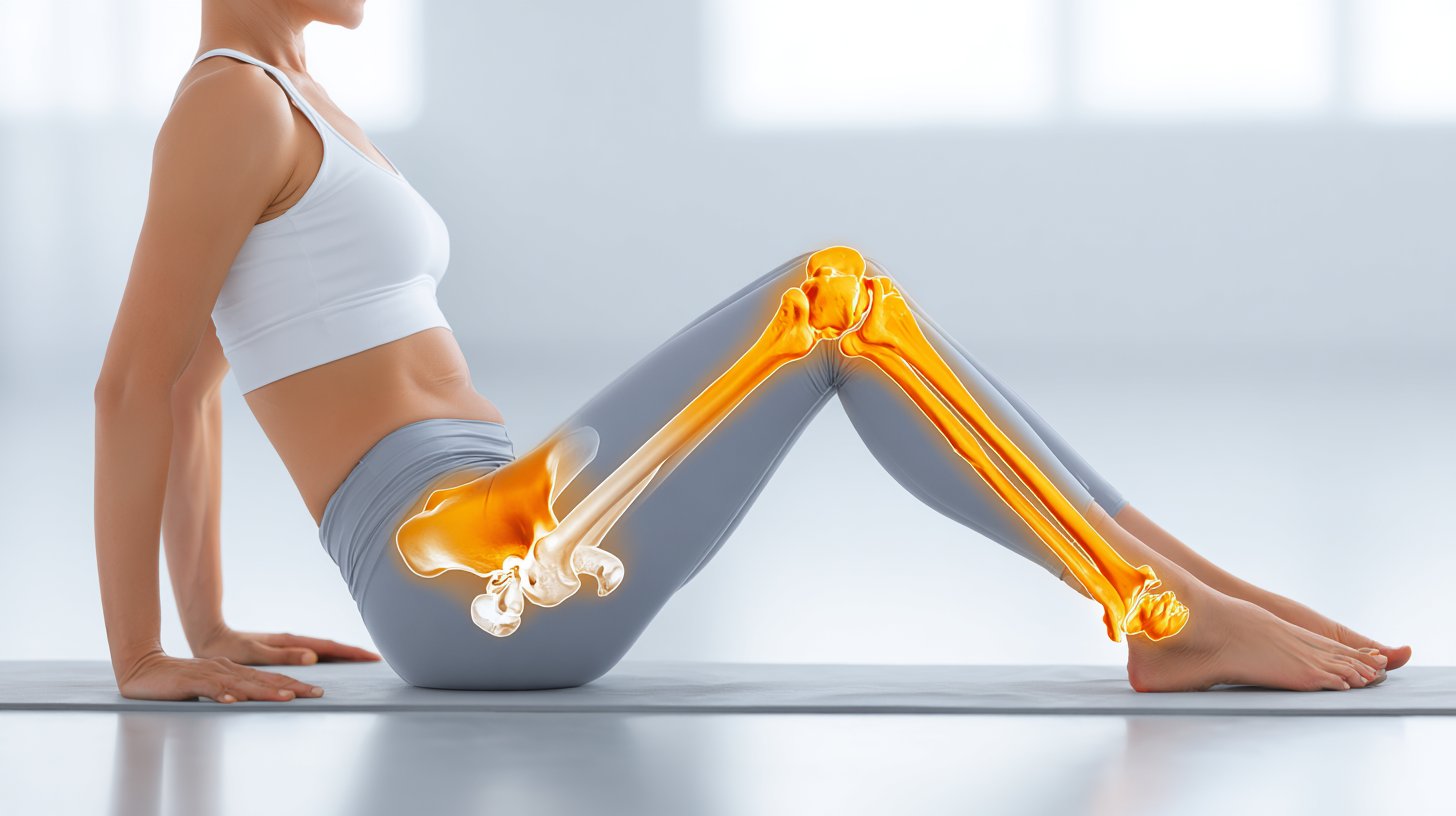
Hip Dysplasia: Page 5 - strength & neuromuscular control
Strength training is a key part of managing hip dysplasia. By gradually increasing resistance over time, you can build stronger muscles, improve hip stability, and better prepare your body for everyday activities and sport. This guide shows you how to safely progress your strength training for long-term success.
Hip Dysplasia: Page 4 - Muscle control
Muscle control is a key part of managing hip dysplasia, yet it's often overlooked. It's not just about having strong muscles — it's about teaching the right muscles to switch on at the right time to support and protect your hip joint.
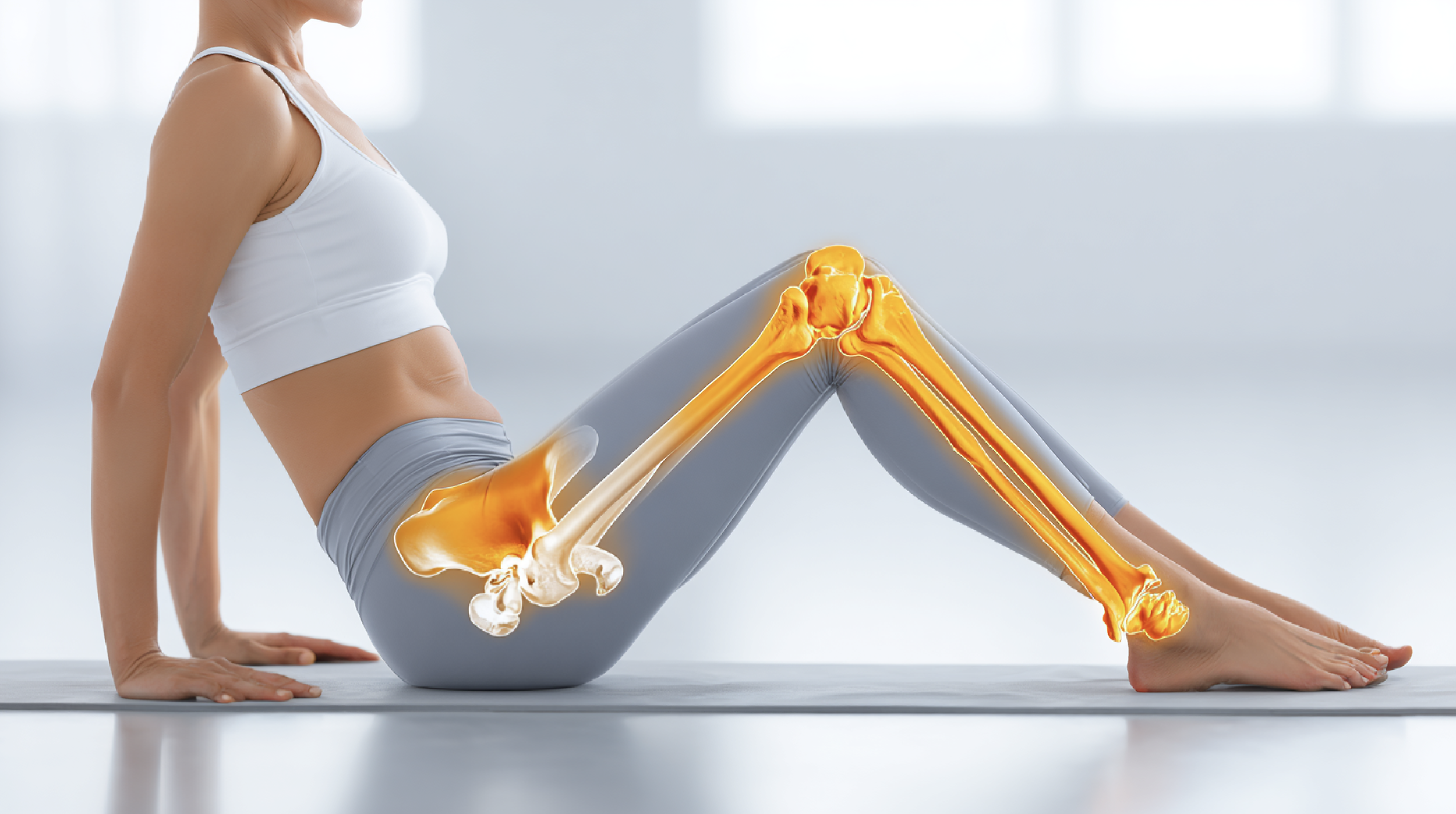
Hip Dysplasia: Page 3 - Muscle Activation
In hip dysplasia, the shallow hip socket often causes the primary stabilizing muscles, especially the gluteal muscles (gluteus medius and minimus), to become weak or inhibited. This lack of dynamic stability forces other muscles to overwork, leading to altered movement patterns and pain. Our physiotherapy program focuses specifically on targeted muscle activation exercises designed to restore the optimal function of these key stabilisers.