
Physiotherapy After Total Hip Replacement: Phase 4 - Advanced Strength Training and Return to Activity
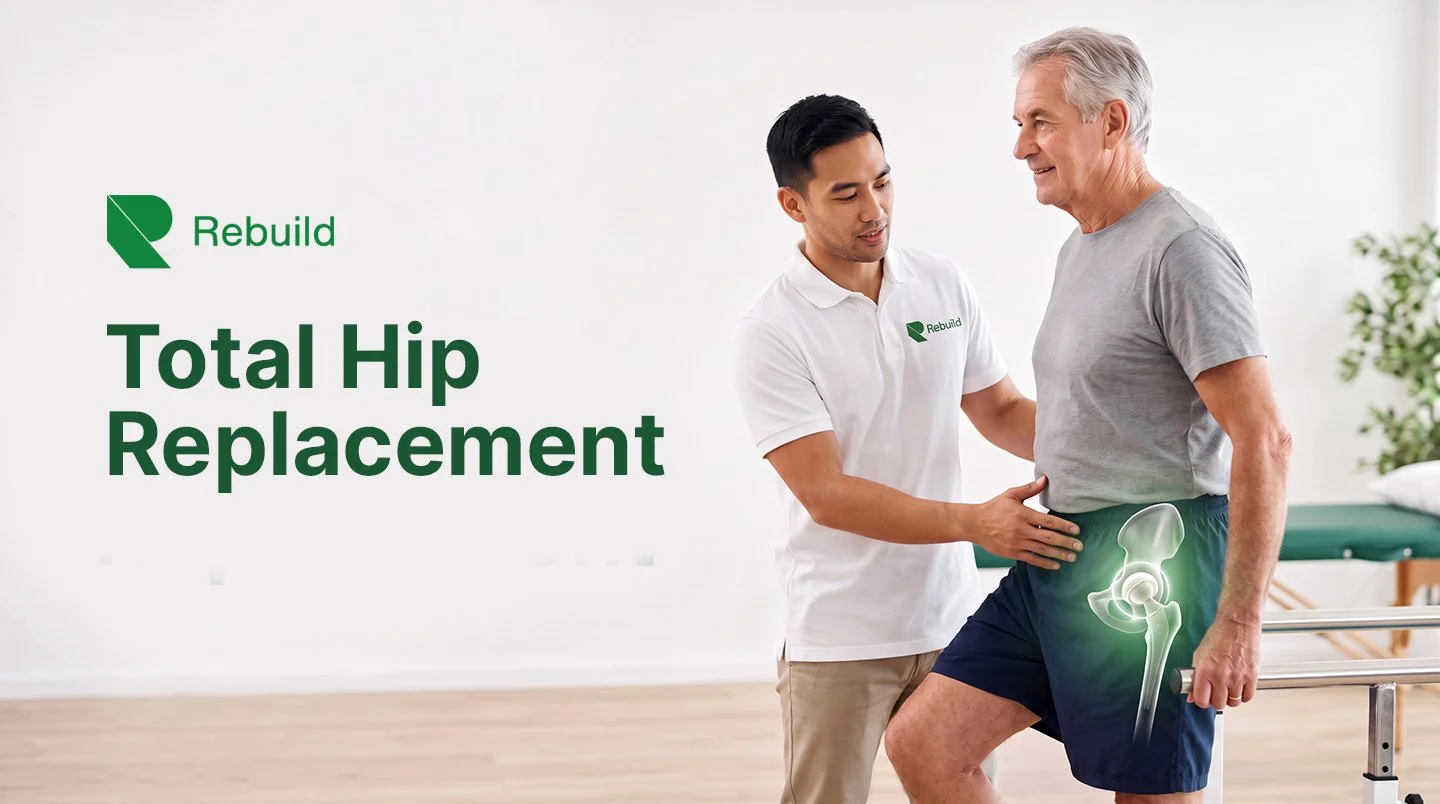
(minimum 3+ Months) Can take longer to reach this phase
Important Modifications for Hip Replacement Patients
Strength training should be tailored to avoid excessive joint stress while still improving strength and function.
Modifications may include:
Avoiding extreme hip flexion angles initially
Gradual loading progression
Monitoring fatigue and pain response
Avoiding high-impact activities early in recovery
Individualising exercise selection based on surgical precautions
Long-term exercise is strongly encouraged to maintain mobility, bone health, muscle strength, and overall wellbeing.
Goals
Maximise strength
Improve higher-level function
Return to recreational activity
Maintain long-term joint health
Progressive Strength Training
A structured strengthening program may include:
Leg press/squat (modified depth)
Deadlift variations
Step-up/down control exercises
Functional carrying tasks
Advanced balance exercises
| Exercise | Reps | Sets | Times a week |
|---|---|---|---|
| Leg press | 6–10 | 3–4 | 2–3 |
| Back box squat | 6–10 | 3–4 | 2–3 |
| Hex deadlift | 6–10 | 3–4 | 2–3 |
| Romanian deadlift (RDL) | 8–10 | 3 | 2–3 |
| Dumbbell split squat | 8–10 per leg | 3 | 2–3 |
| Barbell reverse split lunge | 6–8 per leg | 3 | 2–3 |
Leg press
Press through the whole foot with the back supported, controlling the descent. Depth is set to what the hip tolerates, so load can be increased without pushing into deep flexion.
Back box squat
A barbell squat to a box, which fixes depth and keeps every repetition consistent. Sit back onto the box under control, pause briefly, then drive up.
Hex deadlift
Standing inside the trap bar allows a more upright torso and less hip bend than a barbell deadlift, which usually suits a replaced hip better. A strong way to load the whole leg.
RDL
Hinge from the hips with the bar tracking close to the legs and the back held long. Lower until you feel a stretch through the hamstrings, then drive the hips forward.
Dumbbell split squat
In a split stance, lower the back knee straight down while keeping the torso tall. Loads one leg at a time without the balance demand of a full single leg exercise.
Barbell Reverse split lunge
Step backwards into the lunge, lower under control, then drive back to standing. Stepping back is usually more comfortable than lunging forwards after hip surgery.
Long-Term Outlook After Hip Replacement
Most patients experience substantial improvements in:
Pain levels
Walking tolerance
Sleep quality
Mobility
Quality of life
Successful outcomes depend on a combination of:
Appropriate surgical care
Consistent physiotherapy
Progressive strengthening
Healthy lifestyle habits
Ongoing physical activity
Ready to start your recovery?
At Rebuild Physiotherapy, we guide patients through every stage of recovery with personalised rehabilitation programs designed to help them move confidently and return to the activities that matter most.
If you are preparing for hip replacement surgery or recovering afterward, our physiotherapy team can help support your recovery journey.
