
Meniscal Injuries: Pathway 2 - Surgical Rehabilitation
Meniscal repair, meniscectomy, root repair, transplant, ACI and OATS each recover differently, from a few weeks to well over a year. What every procedure involves, the early restrictions that follow, and realistic return timelines.
Meniscal Injuries: Phase 4 - Functional Loading
Most sporting movement happens on one leg, often under rotation. This phase builds single-leg strength and rotational control, then introduces ballistics and plyometrics to retrain how fast the knee can produce and absorb force.
Meniscal Injuries: Phase 3 - Advanced Strength Training and Return to Activity
Heavier strength training, adapted around the knee rather than avoided. Leg press, deadlift and split squat variations with modified depth and controlled progression, plus how block periodisation lowers repetitions and raises load across each block.
Meniscal Injuries: Phase 2: Motor Control, Early Strengthening and Functional Rehabilitation progressing to Strength Development
This is where loading properly begins. Squats, hinges, lunges and single-leg work at 10–15 repetitions for 3 sets, prioritising movement quality over weight, before block periodisation shifts the emphasis towards heavier loads.
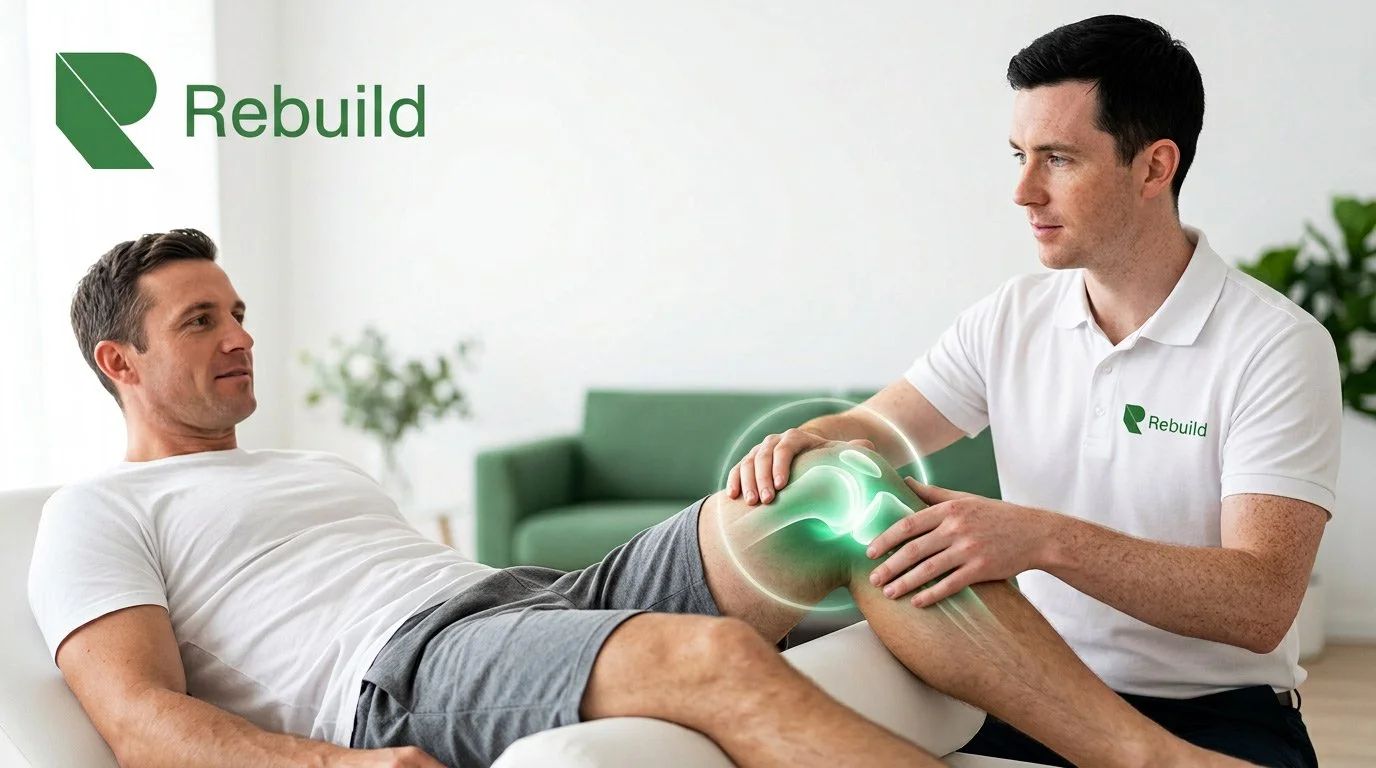
Meniscal Injuries: Pathway 1: Conservative (Non-Surgical) Rehabilitation
Most meniscal injuries improve without an operation. Phase 1 focuses on settling swelling, restoring full straightening and bend, and getting your normal walking pattern back, with exercise dosage and video demonstrations for each.
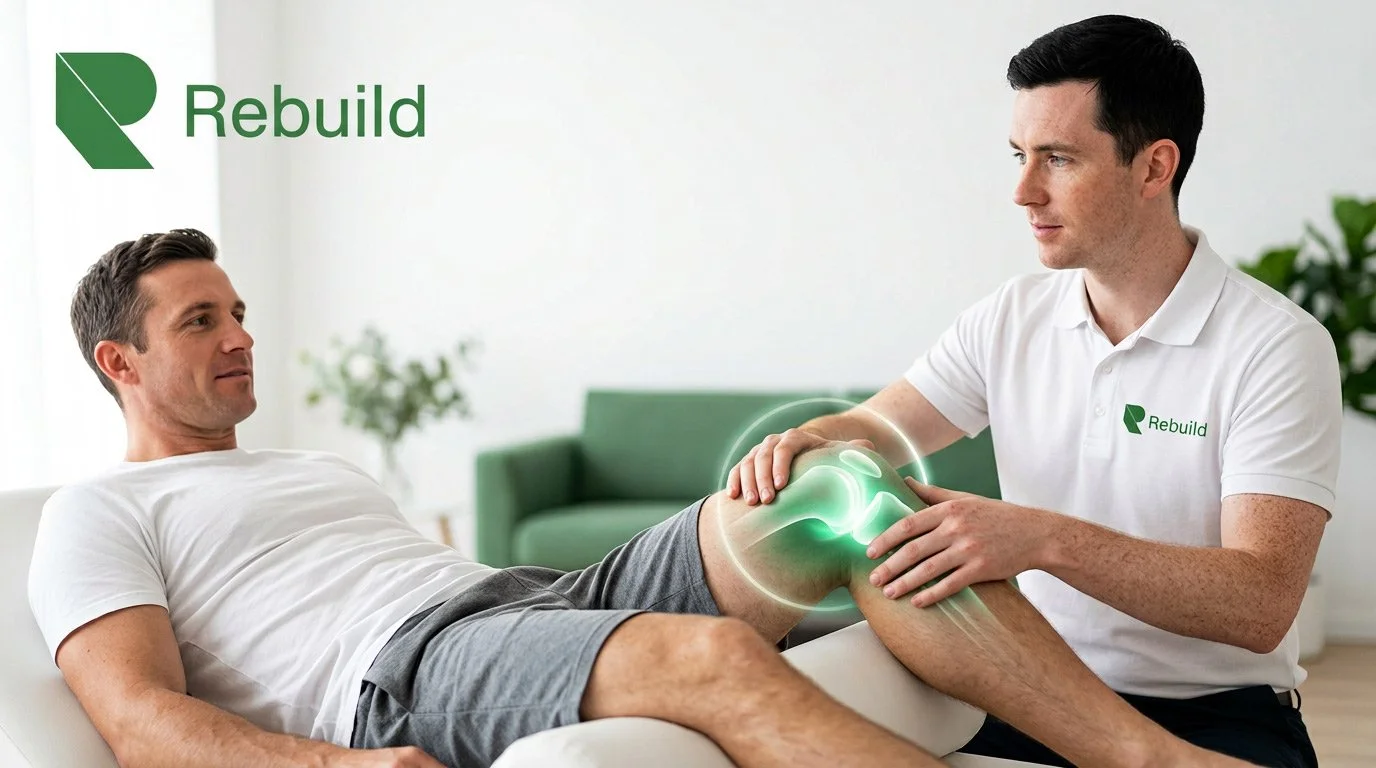
Meniscal Injuries: Anatomy, Causes, Treatment Options and Rehabilitation Pathways
What the menisci actually do, how they get injured, and why the tear pattern matters more than the scan. Covers knee anatomy, traumatic and degenerative causes, the six common tear types, and when surgery is genuinely indicated.
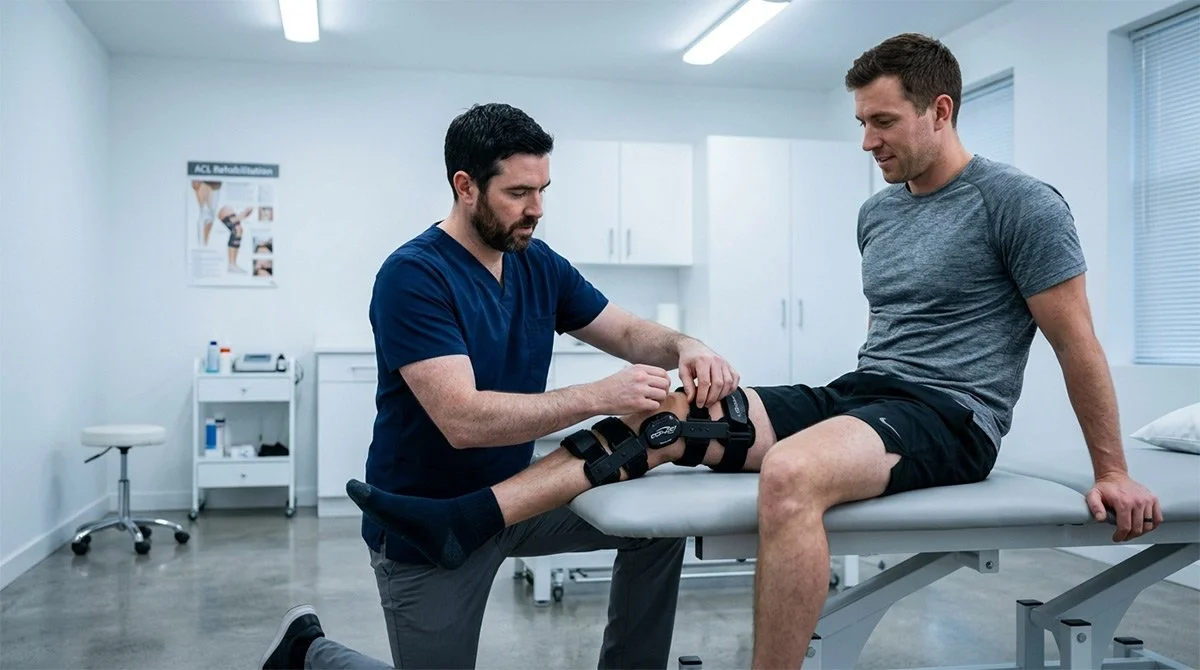
Anterior Cruciate Ligament: Page 6 – Return to Sport
Plyometrics and ballistic training help bridge the gap between strength work and the fast, explosive movements needed for daily activity and sport. Both develop power, with plyometrics improving the body’s ability to store and release elastic energy, while ballistic exercises focus on accelerating a load through a full movement range.
Anterior Cruciate Ligament: Page 5 – Strength
Maximal strength training is an important stage of ACL rehabilitation, helping the body produce and tolerate higher levels of force. Through progressive movements such as squats, hinges and lunges, this phase builds strength through the hips and legs to support a safer return to running, jumping and sport. Developing strong, resilient muscles also supports long-term knee health, reduces re-injury risk and benefits overall physical wellbeing.