
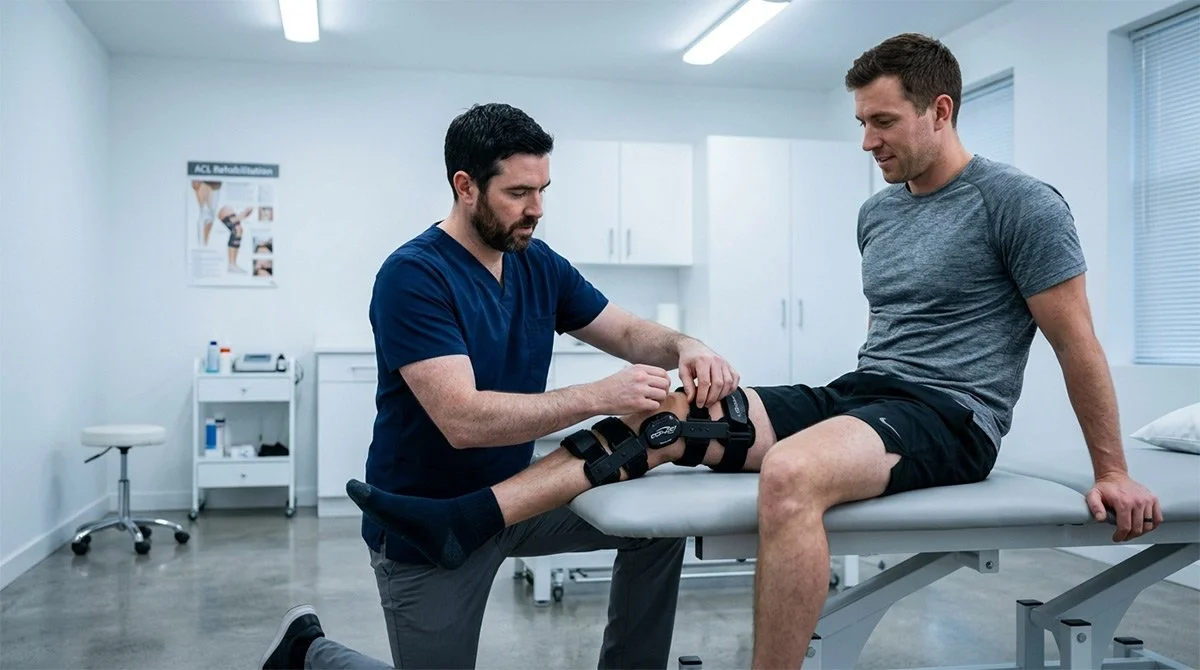
Anterior Cruciate Ligament: Page 3 – level 2 muscle activation
As healing progresses, rehabilitation focuses on gently activating the muscles around the knee in a controlled and protective way. Exercises should be challenging enough to support recovery and adaptation, but not so demanding that they increase pain or irritate healing tissues.
Anterior Cruciate Ligament: Page 2 – Post operative physiotherapy
Early rehabilitation after ACL reconstruction focuses on protecting the graft while restoring knee movement, reducing swelling and reactivating the quadriceps muscles. Regaining full knee extension is especially important, as it supports normal walking, muscle control and long-term recovery. Gentle, progressive exercises help rebuild confidence and create a strong foundation for later strengthening, running and return-to-sport rehabilitation.
Anterior Cruciate Ligament: Reconstruction (ACL – R)
ACL reconstruction is just the start—the real work happens in rehab. Understanding the recovery process, timelines, and what your body needs at each stage is key to getting back to full strength and avoiding setbacks.
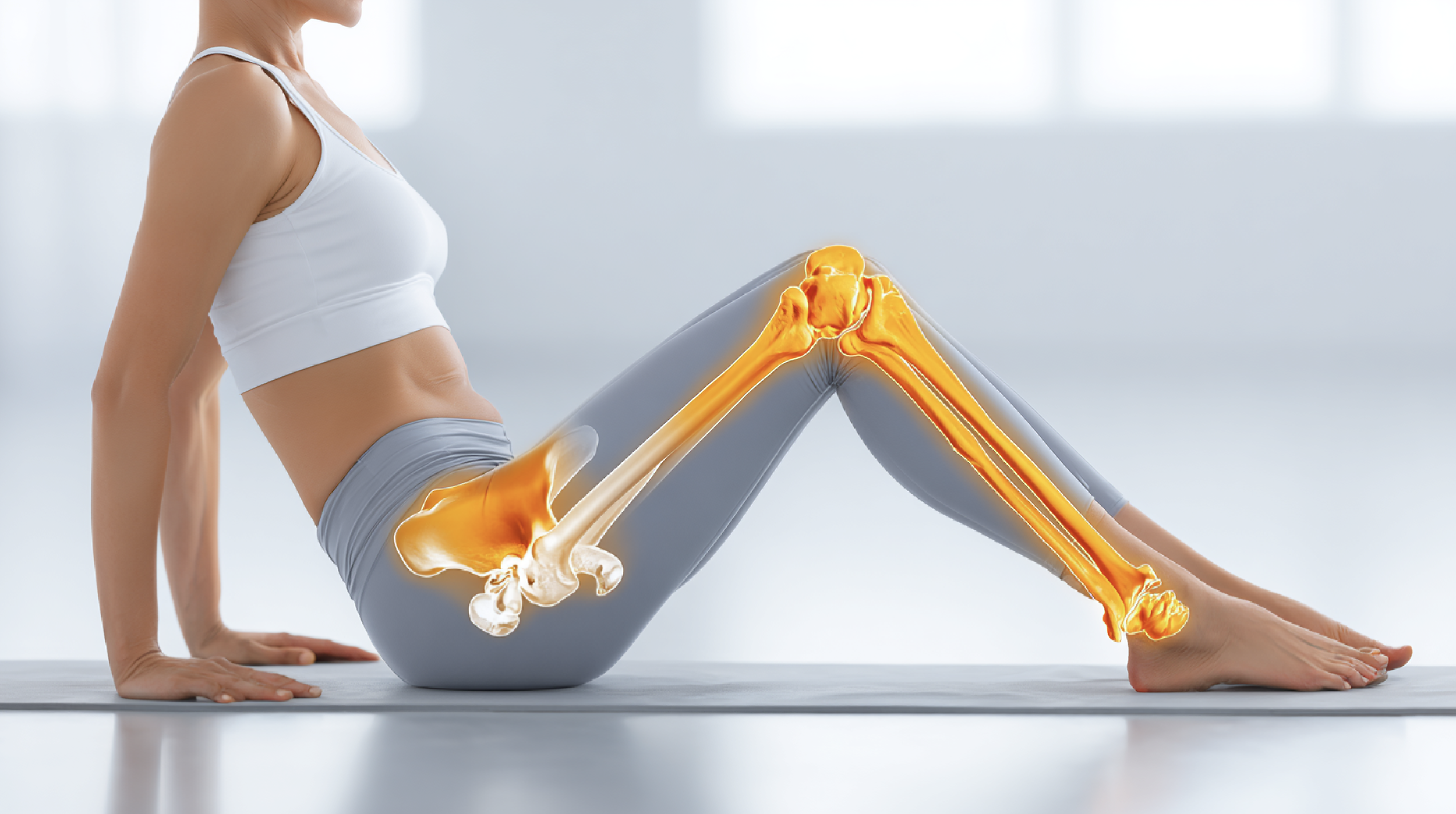
Hip Dysplasia: Page 6 - Return to Sport
Strength is only part of the journey back to sport. To run, jump, change direction, and perform at your best, your body needs to generate force quickly and efficiently. That's where plyometric and ballistic training come in.
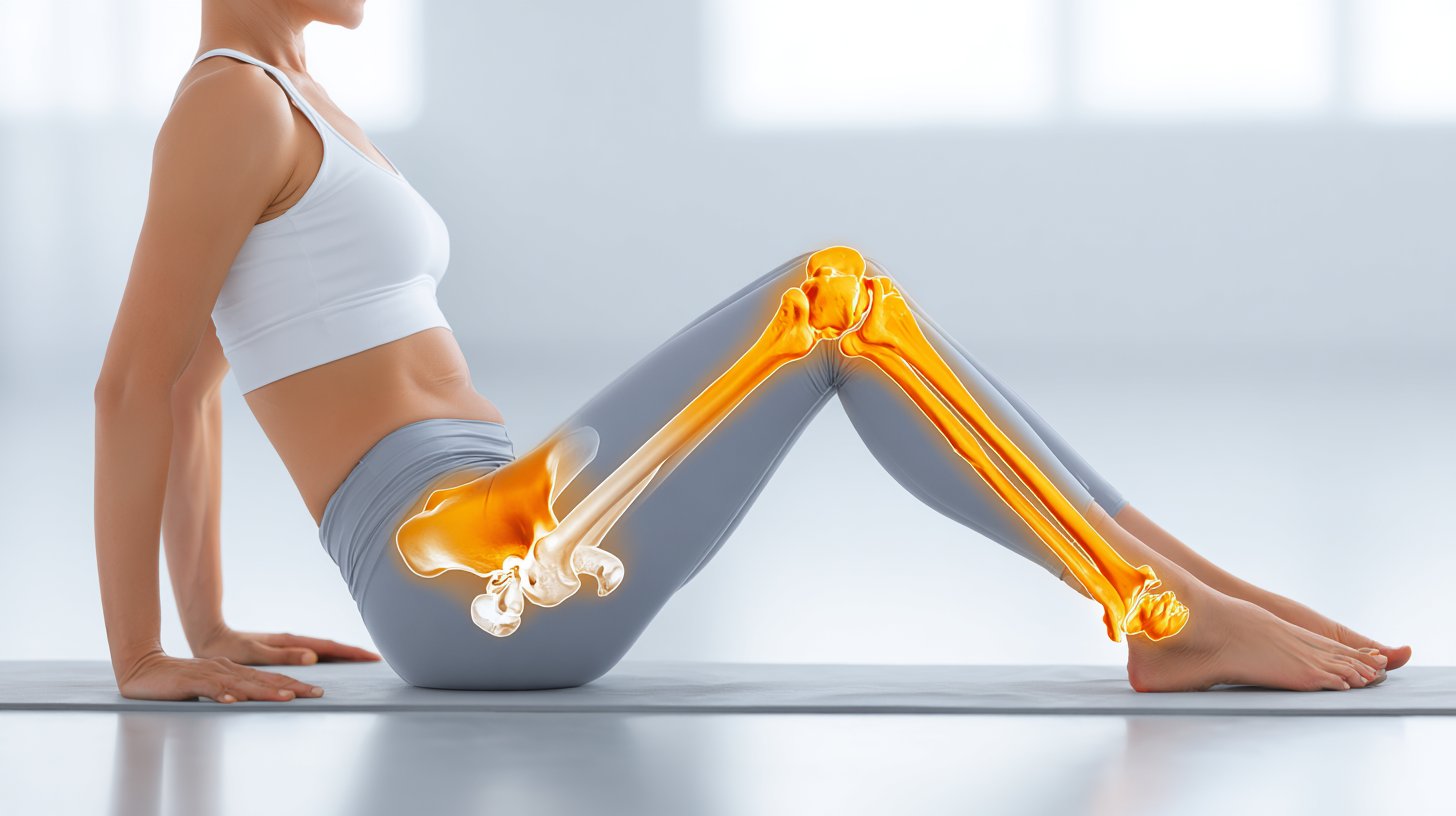
Hip Dysplasia: Page 5 - strength & neuromuscular control
Strength training is a key part of managing hip dysplasia. By gradually increasing resistance over time, you can build stronger muscles, improve hip stability, and better prepare your body for everyday activities and sport. This guide shows you how to safely progress your strength training for long-term success.
Hip Dysplasia: Page 4 - Muscle control
Muscle control is a key part of managing hip dysplasia, yet it's often overlooked. It's not just about having strong muscles — it's about teaching the right muscles to switch on at the right time to support and protect your hip joint.
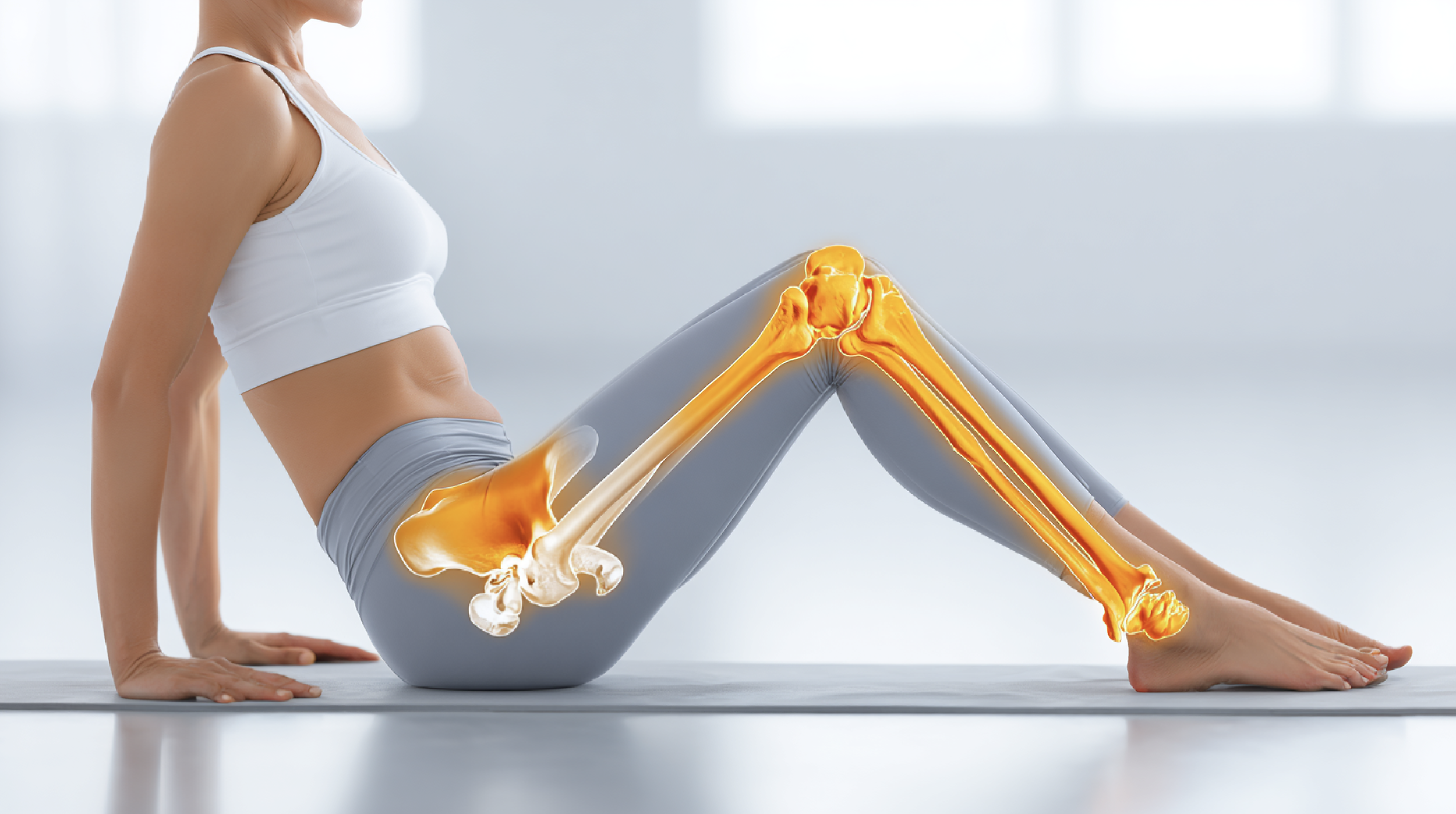
Hip Dysplasia: Page 3 - Muscle Activation
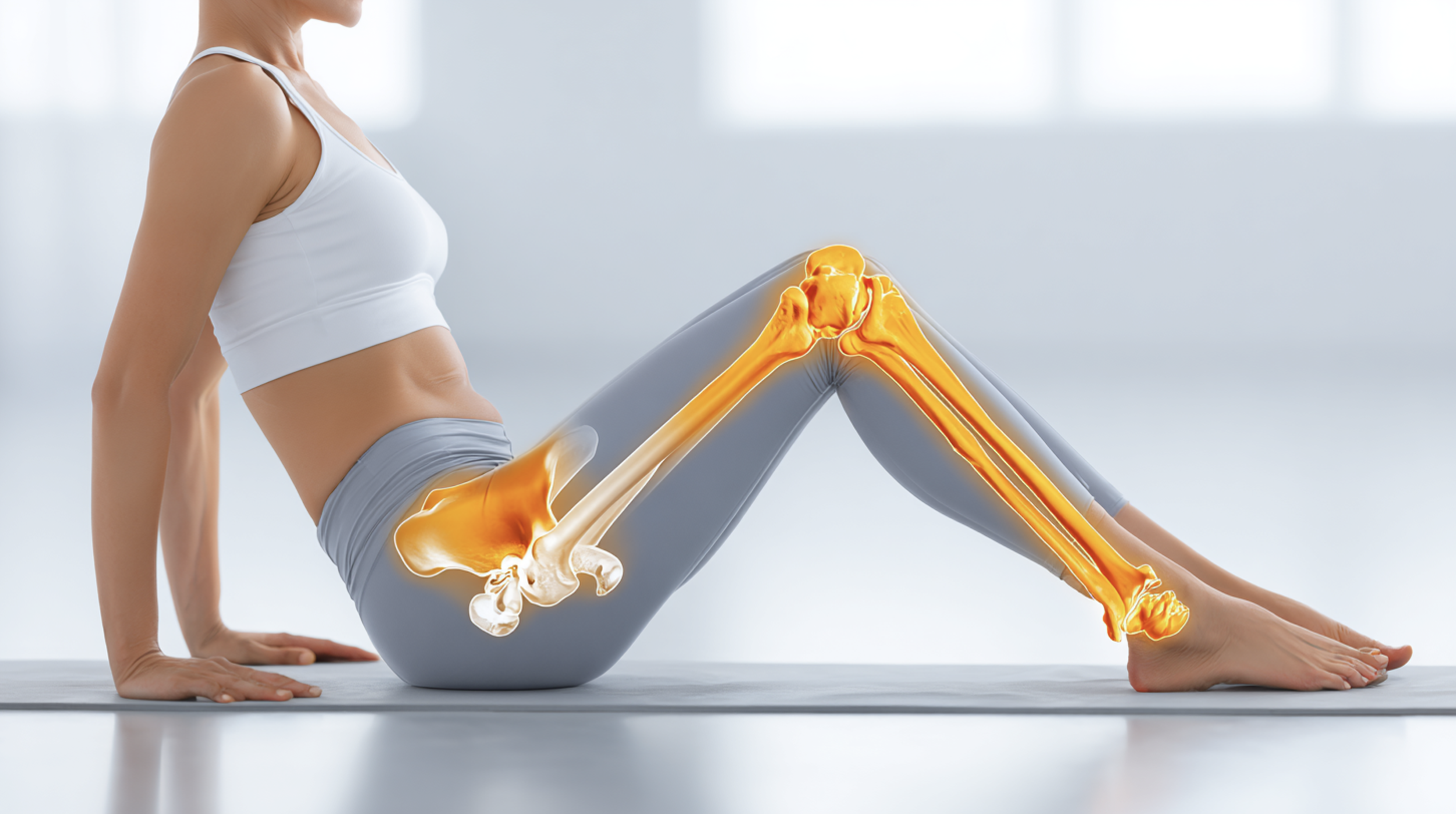
In hip dysplasia, the shallow hip socket often causes the primary stabilizing muscles, especially the gluteal muscles (gluteus medius and minimus), to become weak or inhibited. This lack of dynamic stability forces other muscles to overwork, leading to altered movement patterns and pain. Our physiotherapy program focuses specifically on targeted muscle activation exercises designed to restore the optimal function of these key stabilisers.
Hip Dysplasia: Page 2 - Post-Operative plan
The initial 6 to 8 weeks post-PAO are vital for setting the stage for a successful recovery. We start with gentle range of motion exercises to prevent joint stiffness and promote muscle activation. These specific movements are designed to encourage blood circulation, which is crucial for healing and reducing the risk of blood clots. Find the full, detailed exercise guide inside, including important safety guidelines and pain management protocols.