
Hip Arthroscopy
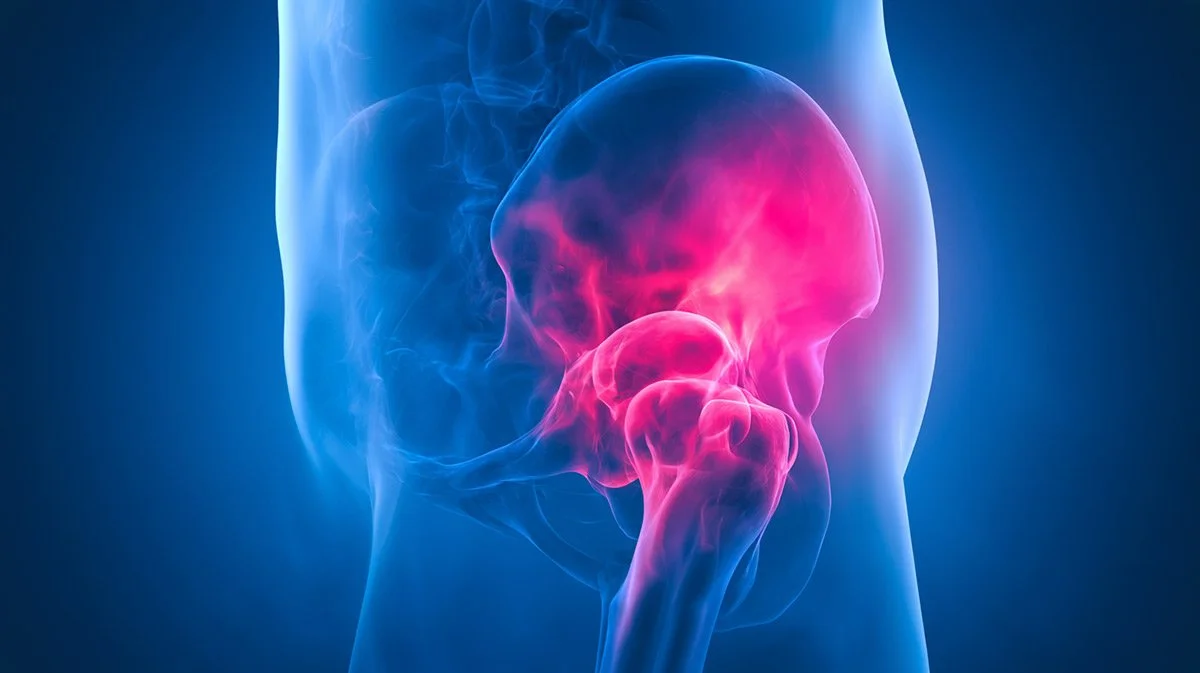
What You Need to Know
Hip arthroscopy is a minimally invasive surgical procedure used to diagnose and treat problems within the hip joint. At Rebuild Physiotherapy, we often work with patients before and after this procedure to support recovery, restore movement, and help you return to the activities you enjoy.
What is Hip Arthroscopy?
Hip arthroscopy involves inserting a small camera, called an arthroscope, into the hip joint through tiny incisions. This allows the surgeon to clearly view the inside of the joint and use specialised instruments to repair or remove damaged tissue.
Why is it Performed?
This procedure is commonly recommended when conservative treatments such as physiotherapy, rest, or medication have not resolved symptoms. Conditions that may be treated with hip arthroscopy include:
Femoroacetabular impingement (FAI)
Labral tears
Cartilage damage
Loose bodies within the joint
Inflammation or synovitis
Benefits of Hip Arthroscopy
Compared to traditional open surgery, hip arthroscopy offers several advantages:
Smaller incisions and minimal scarring
Reduced pain after surgery
Faster recovery times
Lower risk of complications
Recovery and Rehabilitation
Recovery varies depending on the condition treated and the individual, but rehabilitation is a crucial part of the process. Physiotherapy typically begins shortly after surgery and focuses on:
Restoring range of motion
Improving strength and stability
Gradually returning to normal activities and sport
At Rebuild Physiotherapy, we tailor rehabilitation programs to your specific needs, ensuring a safe and effective recovery.
How We Can Help
Our experienced physiotherapists work closely with you and your surgical team to guide you through every stage of recovery. From pre-operative preparation to post-surgical rehabilitation, we aim to optimise your outcome and help you move confidently again.
If you are considering hip arthroscopy or are recovering from the procedure, contact Rebuild Physiotherapy to learn how we can support your journey back to full function. You can also follow this webpage to guide you through your preparation and recovery phases.
-
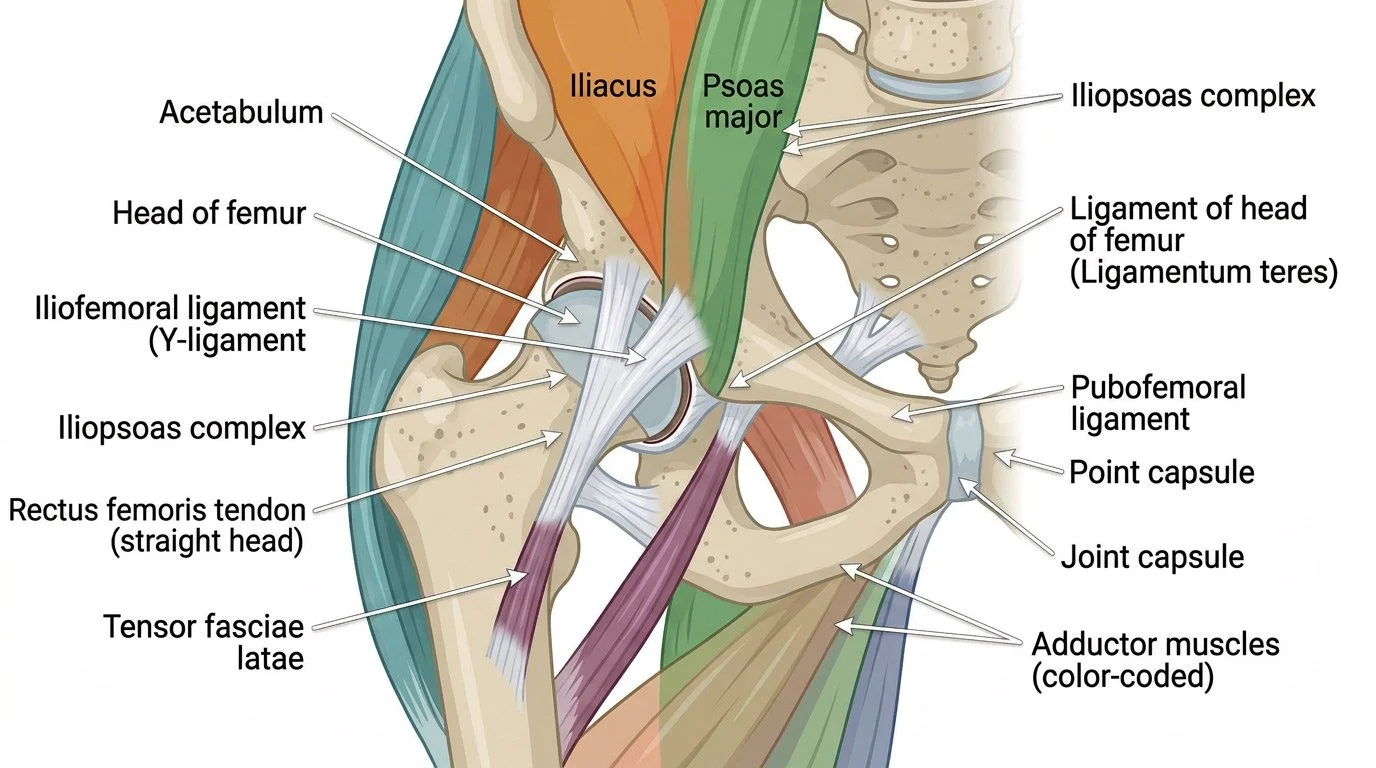
The hip is a ball-and-socket joint.
The ball (femoral head) is the rounded top of the femur, commonly known as the thighbone.
The socket (acetabulum) is located in the pelvis.
The femoral head fits into the socket. The ball-and-socket anatomy allows the leg to move forward, backward, and side-to-side. It also allows for internal and external rotation (pointing the toes inward and outward).
Cartilage helps stabilise the hip joint and facilitate hip movement.
Articular cartilage. Both the femoral head and the acetabulum are lined with a strong, slippery material called articular cartilage. This cartilage allows the surfaces of the ball and socket to glide against each other during hip movement.
Labrum. Another piece of cartilage, called the labrum, rings the outer edge of the acetabulum. The labrum deepens the socket, making the hip joint more stable, and its elasticity allows for flexibility.
-
Hip arthroscopy is a minimally invasive way to treat many problems in and around the hip joint. You may be suffering with pain around your hip or groin that may catch, lock or give way. The most common conditions treated with hip arthroscopy are:
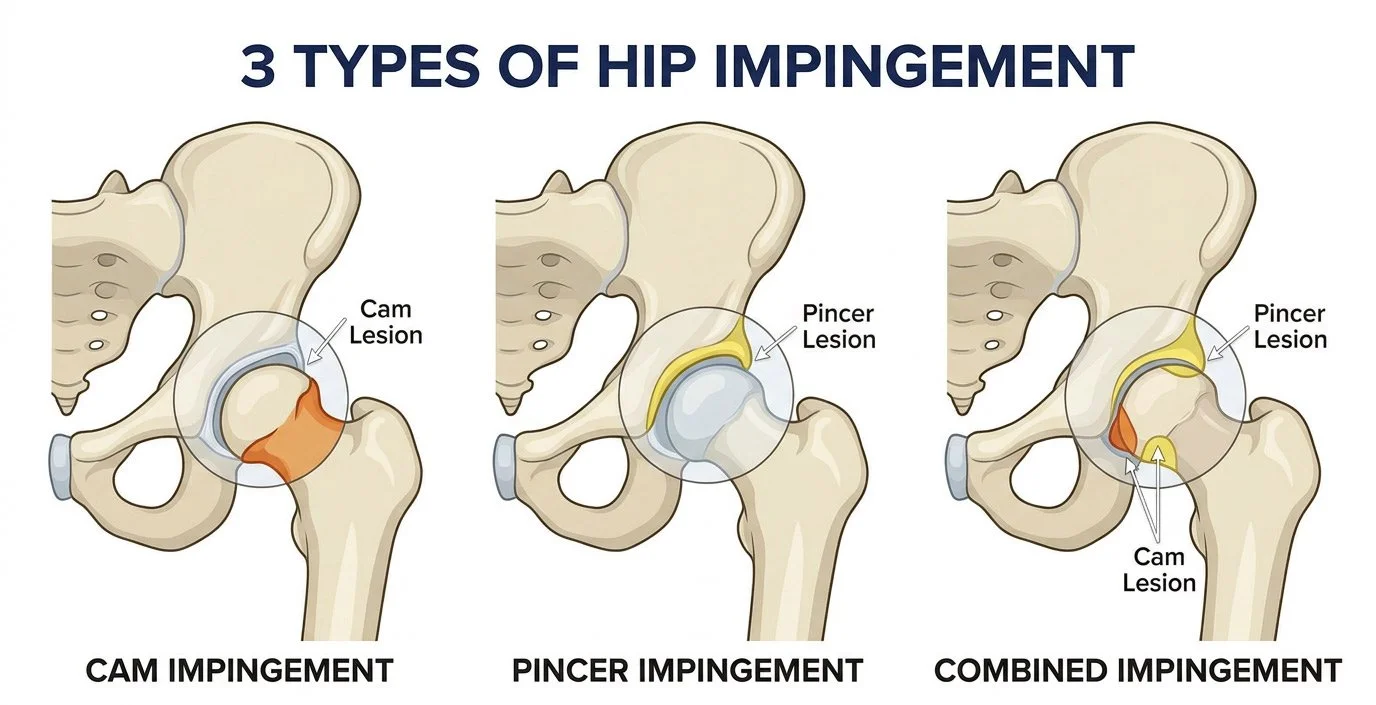
Femoroacetabular impingement (FAI) – This condition involves early contact between the head of the thighbone (femur) and the rim of the socket (acetabulum) during twisting and bending movements, such as squatting. Due to abnormally shaped femoral head (CAM) or acetabulum (Pincer). This causes pain during certain movements or positions. An arthroscopy can be used to reshape the femoral head and acetabulum to prevent this early collision, whilst also preserving the hip joint and reducing the risk of early osteo arthritis.
Labral tear – The hip socket has a rim of fibrous cartilage called the labrum. Which importantly maintains a seal for lubricant fluid in the joint and contains nerve ending that feedback to the brain. This cartilage can be injured because of abnormal contact or direct injury during sporting activity. It is important to repair the labrum if it is torn or detached, being nourished with blood it heals well. A repair is done using internal stitches that are fixed to acetabular socket bone. Repairing the labrum restores its function as a shock absorber and sealant. In some cases, the labrum is degenerate and not repairable. The surgeon may debride the labrum to improve pain symptoms and in rare cases reconstruct the labrum using a graft.
Articular cartilage injury – Articular cartilage covers the joint surfaces of the head of the femur and within the acetabulum, this allows for smooth frictionless movement, aided by lubricant synovial fluid. Injury to this cartilage can occur as a result of a traumatic injury, recurrent impingement or wear with normal use over time.
Will I have anaesthetic?
Yes. Normally this type of operation is carried out under a mix of a general and spinal anaesthetic
What to expect after an arthroscopy
At the end of your operation, the small incisions are stitched together, and a dressing applied to keep them clean and dry. A bulky overdressing is applied to soak up leaking fluid. It can be removed after 48 hours. You will have to see your GP to remove stiches two weeks after surgery. You will be moved from the operating room to the recovery room and then to a ward. Pain medication is available if required following surgery, although most patients are comfortable having had local anaesthetic administered during the operation. As the feeling in your leg returns start to draw small circles with your foot, known as circumduction exercises. This reduces scar tissue. Before being discharged, you will be given advice about looking after the wounds, what activities you should avoid, and the exercises you should do.
-
For two weeks after surgery we will provide medication to thin your blood, reduce scarring (fibrosis) and prevent abnormal bone forming in healing tissues (heterotopic ossification).
Enoxaparin injections to prevent blood clots, between 1 day to two weeks.
Non-steroidal anti-inflammatory (Celecoxib) twice a day for two weeks.
Losartan to reduce scarring, twice a day for two weeks. If you are allergic to non-steroidal inflammatory medication or have problems with your blood pressure inform your
attending surgeon.If you are allergic to non-steroidal inflammatory medication or have problems with your blood pressure inform your attending surgeon.
-
Although uncommon, complications may occasionally occur. The incisions may ooze, and a new dressing applied. Pain can be controlled with painkillers and thigh swelling takes a month to resolve. Skin redness in your groin or at your feet resolves in a few days.
Recognised complications include:
Traction related problems including numbness in groins, genitalia or feet.
Heterotopic Ossification (new bone formation).
Adhesions, scar tissue formation aound hip joint causing stiffness.
Hip flexor, particularly Psoas irritation
Over or under resection of CAM or Pincer lesions.
Progression of arthritis within the joint
Residual groin pain or stiffness, worsening of pain (approximately 5% of cases)
Rare complications include:
Infection
Blood clots (in the leg or rarely the lung)
Damage to nerves or blood vessels around the hip or to the
femoral head.Fracture of femoral bone during heavy impacts.
Instrument breakage retained in joint.
Worsening of Hip instability.
After surgery, you MUST see a doctor urgently if you:
Have pain or swelling in the joint which is getting worse. Particularly
if the hip is red, hot and tender. It may indicate infection.Develop a high temperature
See fluid, pus or blood coming from the incision
Develop sudden shortness of breath as this may indicate a clot in the lung.
-
What should I bring into hospital with me?
It is advisable to bring comfortable everyday clothes into hospital with you to wear after your operation. It is also useful to bring a basic washbag with toiletries that you may require for an overnight stay.
Will I have pain?
It is normal to experience pain following your surgery. This may be in different areas including the hip, groin, thigh, knee or low back. It is important to take the painkillers and anti-inflammatory medication that you have been prescribed to help you to manage this and allow you to participate in your rehabilitation.
What do I do with my wounds?
The wounds will take 10–14 days to heal and they will need to be kept dry and covered during this time. At 14 days after the operation you will need to visit your GP practice nurse to have the dressings and stitches removed.
Will I need to use crutches?
In most cases, you will be able to fully weight bear through the operated limb. crutches will be provided to allow you to take some pressure off the hip as it recovers. Before you go home, you will be taught how to walk with crutches and, if required, how to go up and down stairs. Routinely patients use crutches for two weeks.
When will I be able to go home?
You will normally go home the same day but be prepared for an overnight stay. Before you go home you need to have eaten, had something to drink and passed urine. Before you come into hospital you will need to arrange for someone to take you home and to stay with you for 24 hours to ensure you are safe.
When can I drive my car?
You are not allowed to drive a motor vehicle for two weeks after having a general anaesthetic and surgery. Once you have pain-free control of your operated limb and you feel safe performing an emergency stop you can return to driving, minimum two weeks after surgery.
When will I see my surgeon again?
You will be given an appointment to see your Consultant or a member of the team before you are sent home. Normally, you will be seen between 6–8 weeks after your operation. When you attend for your appointment you may be asked to fill out a questionnaire. The questionnaire allows us to collect information on how you are managing following your operation.
When will I see the physiotherapist again?
Physiotherapy treatment will be arranged for you at the Orthopaedic Hospital or more local to where you live. You should be seen within 2 to 4 weeks of your surgery. Also use supplementary rehabilitation guides.
When can I return to sports?
This entirely depends upon the nature of the surgery that was performed and how you progress through the phases of rehabilitation. Your surgeon/ physiotherapist will provide you with further advice. Avoid deep flexion for 6 weeks. Avoid high impact activity for three months.
When can I go back to work?
This varies from person to person and depends on the speed of your recovery and the nature of your work. In general, if you have a job that is not physically demanding, you may be able to return to work within 2 weeks of your operation. If however, your job is more physical you may need a more prolonged period of time off work. Discuss this with your consultant prior to your surgery.
-
Before your operation it is really beneficial for you to try and make yourself as fit as possible.
There is evidence of faster and safer recovery associated with eating a healthy diet in the time leading up to your operation. If you are overweight, it is important to lose weight in preparation for your surgery. This will reduce any risks associated with the anaesthetic and your new joint will last longer. Moderate exercise prior to your operation can help in keeping your bones strong and joints supple and regular everyday activity is useful. This should start as early as possible before surgery as the benefits may take a number of weeks to appear.
You will not cause any further ‘damage’ to yourself by participating an exercise program, however if you do have any concerns please liaise with your consultant or physiotherapy team. By developing further muscular strength you will not only improve your outcomes post-surgery but also protect your joint following surgery by providing a form of shock absorber.
This is a varied exercise plan that may help you; some exercise positions may need to need altered to reduce your hip pain but achieve maximal muscle effort. When exercising there is likely to be an element of pain, however the aim is not to exceed 3–4/10 where 0/10 is your base line. You should however find the exercises difficult and strenuous on the muscles, approximately 7–8/10 where 10/10 is maximal effort
Strength Program: Pre-Op
You should perform 8–12 repetitions 3–4 sets.
If the exercises are easy, you can add additional weight to make them more challenging
Double leg bridge
Box squats
Step up (medium)
Crab walks
1/2 side plank
Front plank (pull the floor apart)