
Hip Resurfacing Surgery

Understanding Ceramic-on-Ceramic Hip Resurfacing, Recovery and Rehabilitation
Hip Pain and Hip Arthritis: Understanding Your Treatment Options
Hip pain can significantly affect quality of life, making simple activities such as walking, climbing stairs, exercising, or even sleeping uncomfortable. For many people, the underlying cause is hip osteoarthritis (OA), a condition that gradually wears away the smooth cartilage lining the joint.
When conservative treatment options no longer provide adequate relief, surgical intervention may be considered. One emerging option for suitable patients is ceramic-on-ceramic hip resurfacing, a bone-preserving alternative to traditional total hip replacement.
At Rebuild Physiotherapy, we work closely with patients before and after surgery to optimise outcomes through targeted exercise, education, and rehabilitation.
Understanding the Anatomy of the Hip
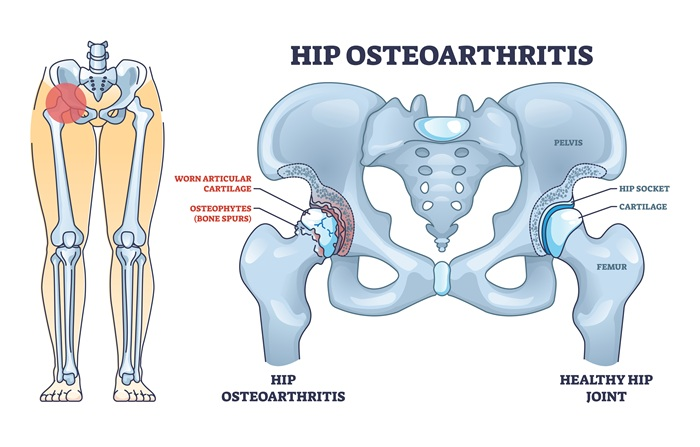
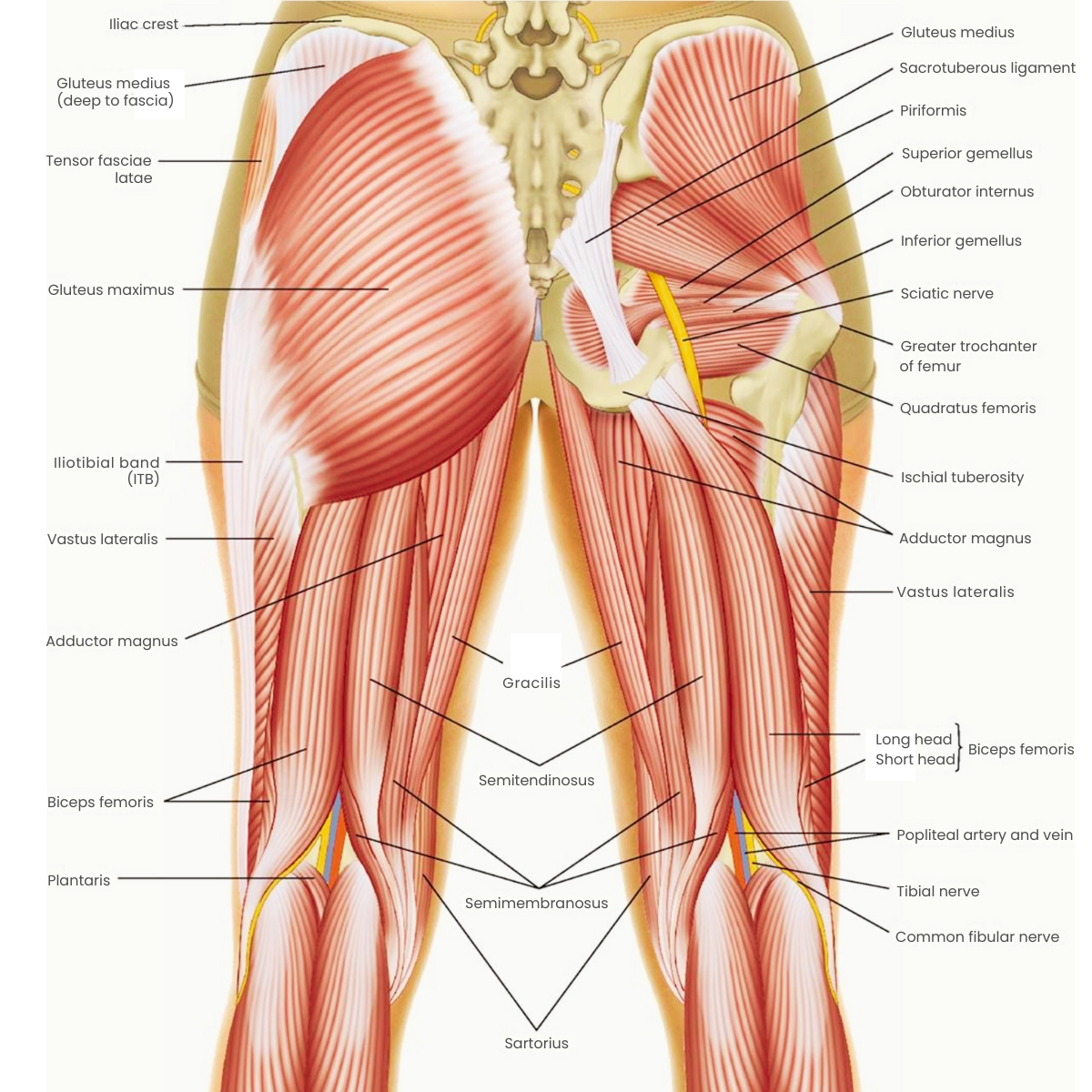
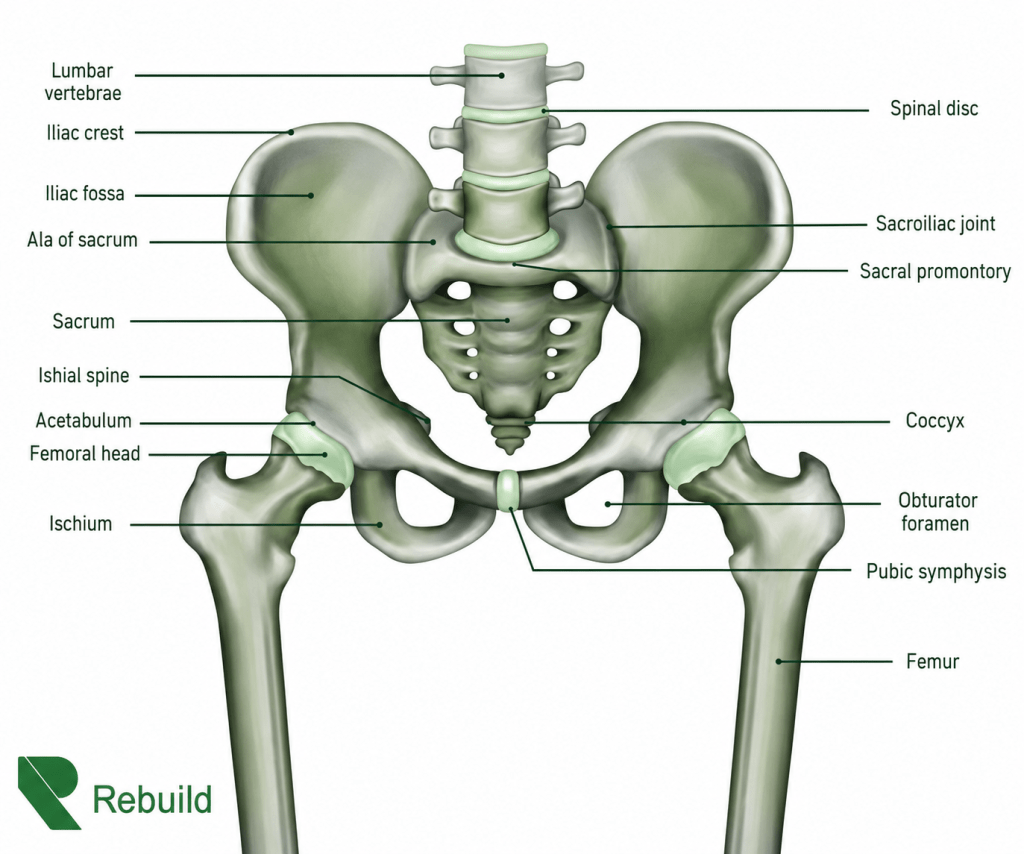
The hip is a ball-and-socket joint designed to provide both stability and movement.
The joint consists of:
Femoral Head – the ball-shaped top of the thigh bone (femur)
Acetabulum – the socket within the pelvis
Articular Cartilage – smooth cartilage covering the surfaces of both bones, allowing pain-free movement
Labrum – a ring of cartilage that deepens the socket and improves stability
Joint Capsule and Ligaments – structures that support the joint
Muscles and Tendons – including the gluteals, hip flexors, adductors, and deep rotators, which control movement and stability
A healthy hip allows smooth movement with minimal friction. When cartilage begins to deteriorate, pain and stiffness develop.
What is Hip Osteoarthritis?
Hip osteoarthritis is a degenerative joint condition characterised by progressive breakdown of the articular cartilage.
As cartilage wears away:
Joint surfaces become rough
Bone may rub against bone
Inflammation develops
Bone spurs (osteophytes) can form
Joint movement becomes restricted
Common Symptoms
Groin pain
Buttock or thigh pain
Morning stiffness
Reduced walking tolerance
Difficulty putting on shoes and socks
Pain during weight-bearing activities
Reduced hip range of motion
Risk Factors
Increasing age
Previous hip injury
Family history
Excess body weight
High-impact repetitive loading
Hip dysplasia or structural abnormalities
Initially, symptoms can often be managed with physiotherapy, exercise, activity modification, weight management, and pain-relieving strategies. However, advanced arthritis may eventually require surgical intervention.
What is Hip Resurfacing?
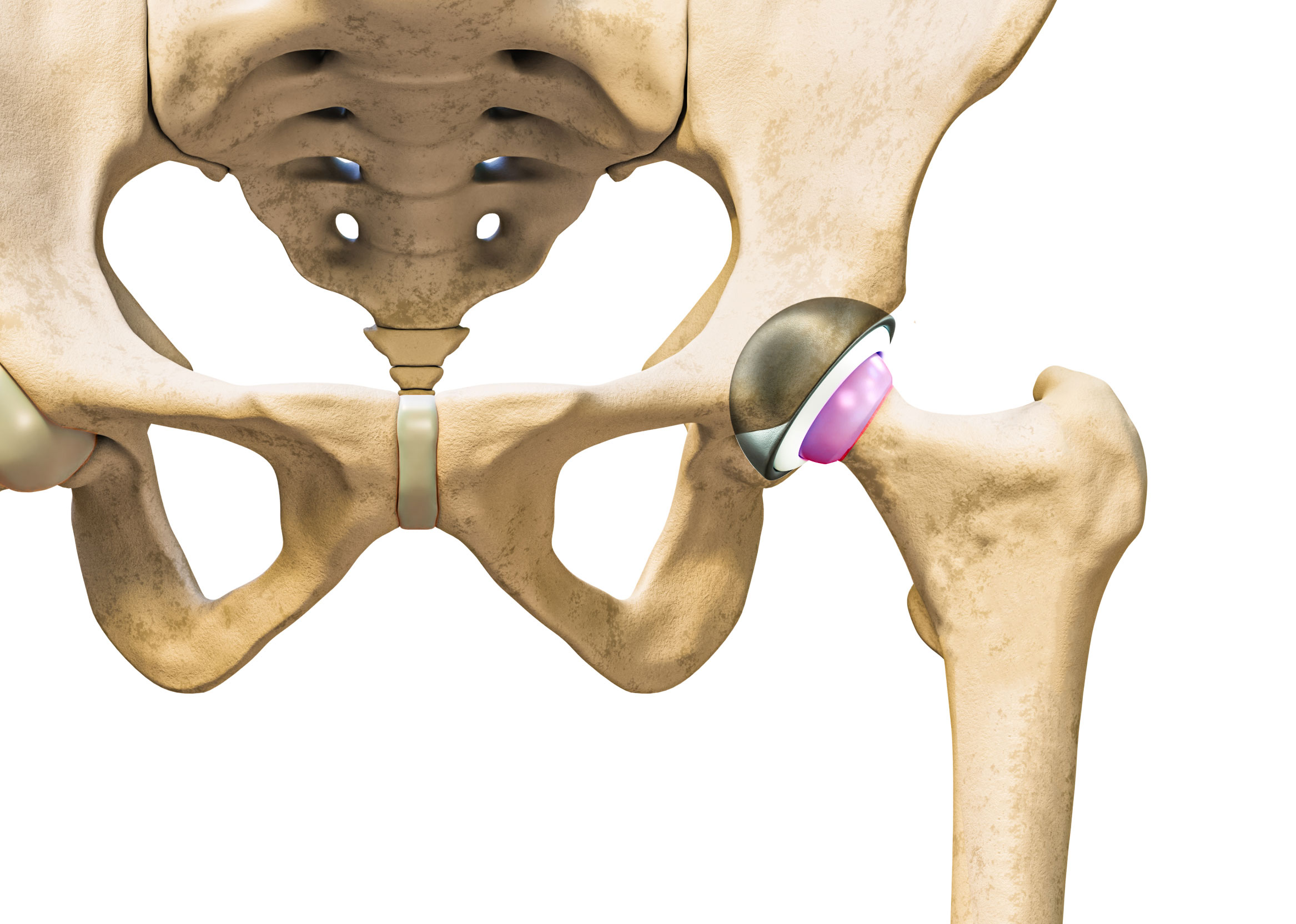
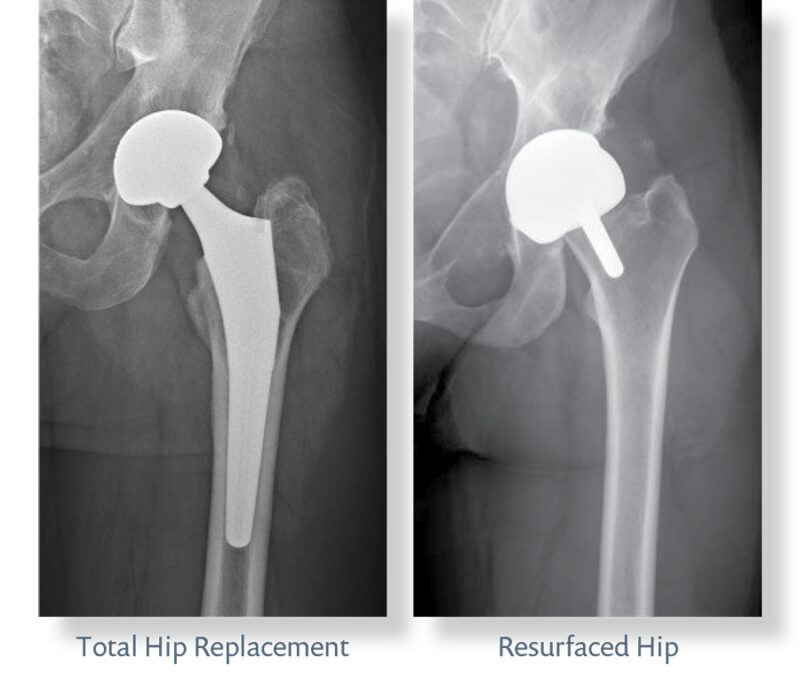
Hip resurfacing is a form of joint replacement surgery that preserves more of the patient's natural bone compared with a traditional total hip replacement.
Instead of removing the entire femoral head, the surgeon:
Reshapes the damaged femoral head
Covers it with a smooth prosthetic cap
Replaces the damaged socket surface with an artificial liner
The goal is to restore smooth joint movement while maintaining much of the patient's original anatomy.
Advantages of Hip Resurfacing
Preserves more bone
More natural biomechanics
Lower risk of dislocation in some patients
Easier conversion to total hip replacement if needed later
Often attractive for younger and more active individuals
Hip resurfacing is not suitable for everyone and requires careful assessment of bone quality, age, activity level, and overall health.
Ceramic-on-Ceramic vs Metal-on-Metal Hip Resurfacing
Historically, most hip resurfacing procedures used metal-on-metal implants.
While these implants demonstrated good durability in many patients, concerns developed regarding metal wear particles entering surrounding tissues and the bloodstream.
Metal-on-Metal Hip Resurfacing
Advantages
Strong and durable
Good wear characteristics
Long clinical history
Potential Concerns
Release of metal ions (cobalt and chromium)
Adverse local tissue reactions
Soft tissue inflammation
Need for long-term monitoring in some patients
Ceramic-on-Ceramic Hip Resurfacing
Ceramic-on-ceramic technology has been developed to address many of the concerns associated with metal implants.
These implants use advanced medical-grade ceramics for both articulating surfaces.
Advantages
Extremely low wear rates
No metal ion release
Excellent biocompatibility
Reduced risk of adverse tissue reactions
Potentially improved longevity
Potential Considerations
Newer technology with less long-term data than traditional implants
Requires precise surgical implantation
May not be suitable for every patient
For appropriately selected patients, ceramic-on-ceramic resurfacing represents an exciting advancement in joint replacement technology.
The Importance of Prehabilitation Before Surgery
Research consistently demonstrates that patients who enter surgery stronger and fitter often recover more quickly.
Prehabilitation (“prehab”) refers to targeted exercise and education undertaken before surgery.
Benefits of Prehabilitation
Improved strength
Better cardiovascular fitness
Reduced postoperative complications
Faster functional recovery
Improved confidence
Better understanding of the rehabilitation process
At Rebuild Physiotherapy, prehab programmes are individually tailored to each patient's needs and goals.
Why Weight Loss Matters Before Surgery
Excess body weight increases the load transmitted through the hip joint.
Every additional kilogram of body weight can substantially increase forces experienced by the hip during walking and stair climbing.
Benefits of weight reduction before surgery include:
Reduced joint pain
Improved mobility
Lower surgical risk
Reduced anaesthetic complications
Improved wound healing
Easier postoperative rehabilitation
Even modest weight loss can have a meaningful impact on both symptoms and surgical outcomes.
Preoperative Exercise Programme
A physiotherapy-guided programme may include:
Strength Training
| Exercise | Reps | Sets | Times a week |
|---|---|---|---|
| Glute bridges | Under 8 | 4–5 | 2–3 |
| Box squat | Under 8 | 4–5 | 2–3 |
| Step-ups | Under 8 per leg | 4–5 | 2–3 |
| Hip abductor | Under 8 per side | 4–5 | 2–3 |
| ½ side plank clam | Under 8 per side | 4–5 | 2–3 |
| Kettle Bell RDL | Under 8 | 4–5 | 2–3 |
Glute bridges
Lying on your back with both feet planted, drive through the heels to lift the hips until the body forms a straight line from shoulder to knee. Squeeze the glutes at the top and lower under control.
Box squat
Sit back to a box or chair, touch lightly and stand up again. Raising the seat reduces how far the hip has to bend, so you can load the leg hard while staying in a comfortable range.
Step-ups
Drive through the leading leg to step onto the box, then lower slowly back down. Use a rail for balance and add weight once the movement is controlled.
Hip abductor
Lift the leg out to the side keeping the body still and the toes pointing forwards. Targets gluteus medius and minimus, the muscles that stop the pelvis dropping when you stand on one leg.
½ side plank clam
In a side plank on the knees, lift the top knee while keeping the hips stacked and still. Builds lateral hip strength and trunk control at the same time.
Kettle Bell RDL
Push the hips backwards with a soft knee, lowering the kettlebell close to the legs, then drive the hips forward to stand. Loads glutes and hamstrings with minimal hip flexion.
Mobility Exercises
Hip flexor stretches
Hip rotation exercises
Gentle range-of-motion work
Balance and Stability
Single-leg balance exercises
Functional movement training
The goal is to maximise physical capacity before surgery.
What to Expect After Hip Resurfacing Surgery
Recovery occurs in phases and varies between individuals.
Most patients begin walking on the day of surgery or within 24 hours.
First Few Weeks
Typical experiences include:
Pain and swelling
Muscle weakness
Reduced mobility
Fatigue
Temporary reliance on walking aids
These responses are normal parts of the healing process.