
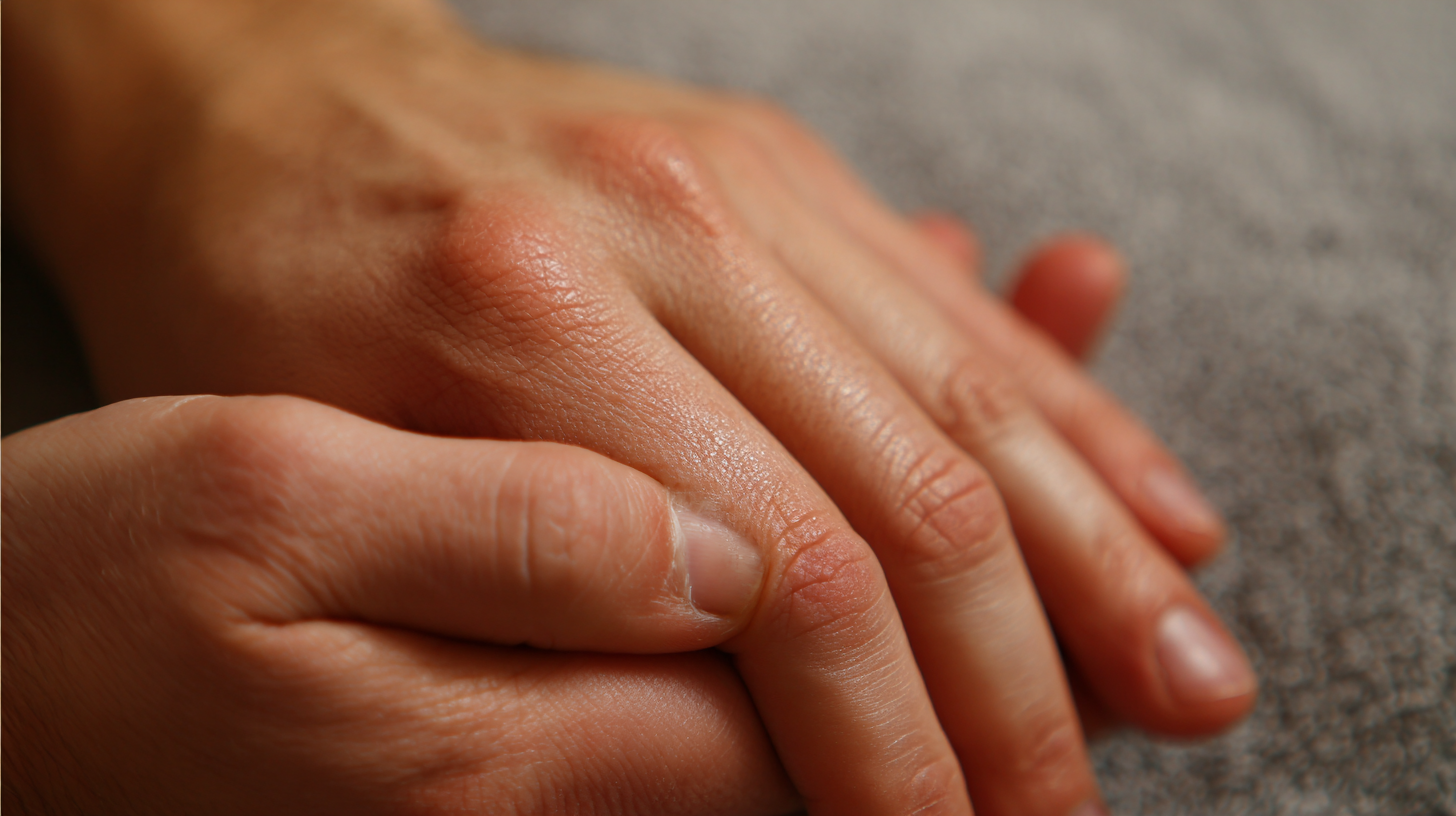
OA Thumb Exercises
Exercise is one of the first lines in management in a thumb joint with normal age related changes. It is key to ensure you continue to function well by maintaining strength, range of movement, fitness and joint health with increasing evidence showing that exercise can protect the joint from further changes.
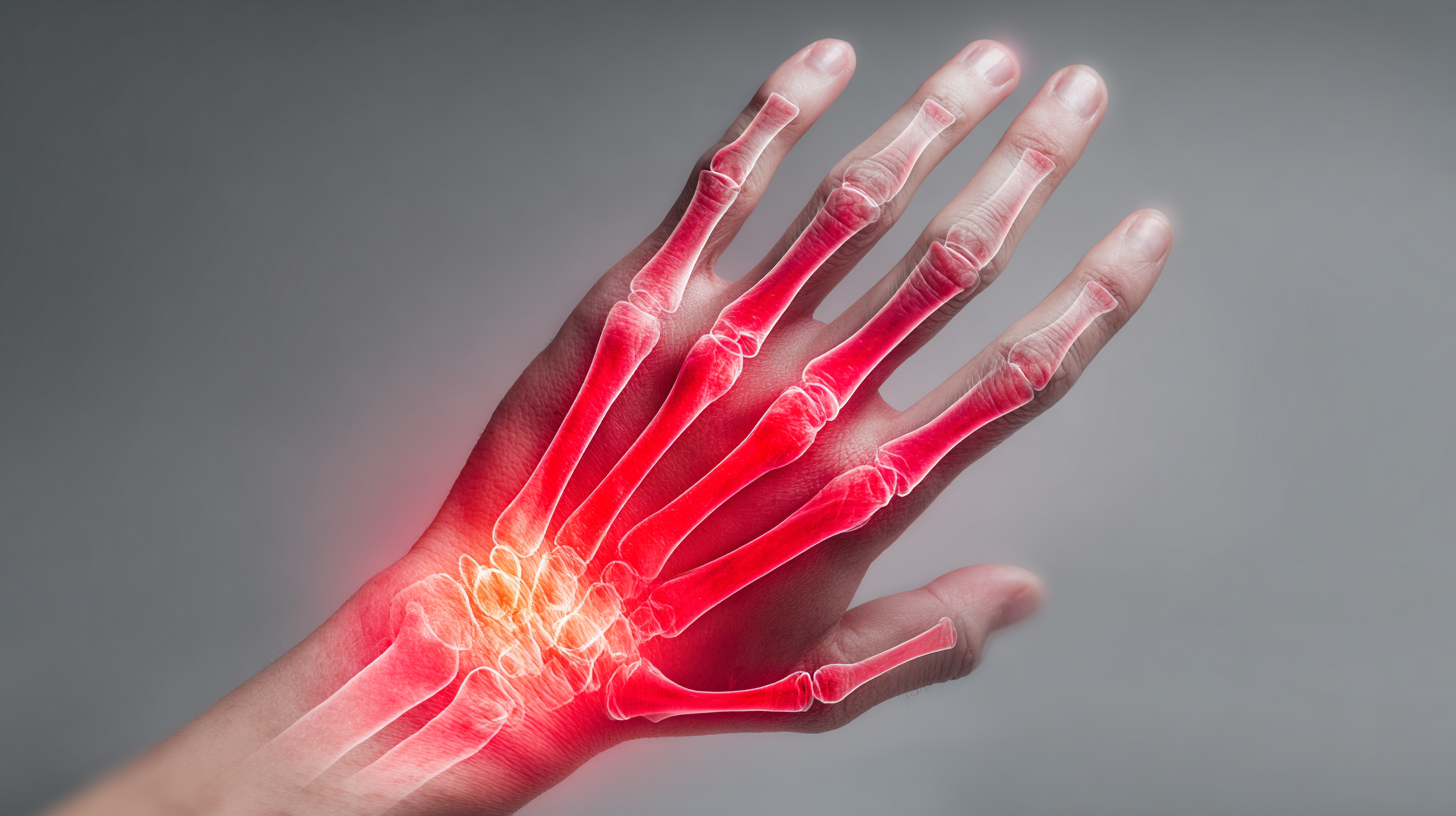
OA Thumb
Osteoarthritis (OA) is the most common form of arthritis and affects mainly the joint’s cartilage and surrounding bone tissue. Osteoarthritis in the thumb is the most common form of arthritis that affects the hands. Symptoms of thumb arthritis can become crippling, partly because the thumb is needed so often for daily tasks.
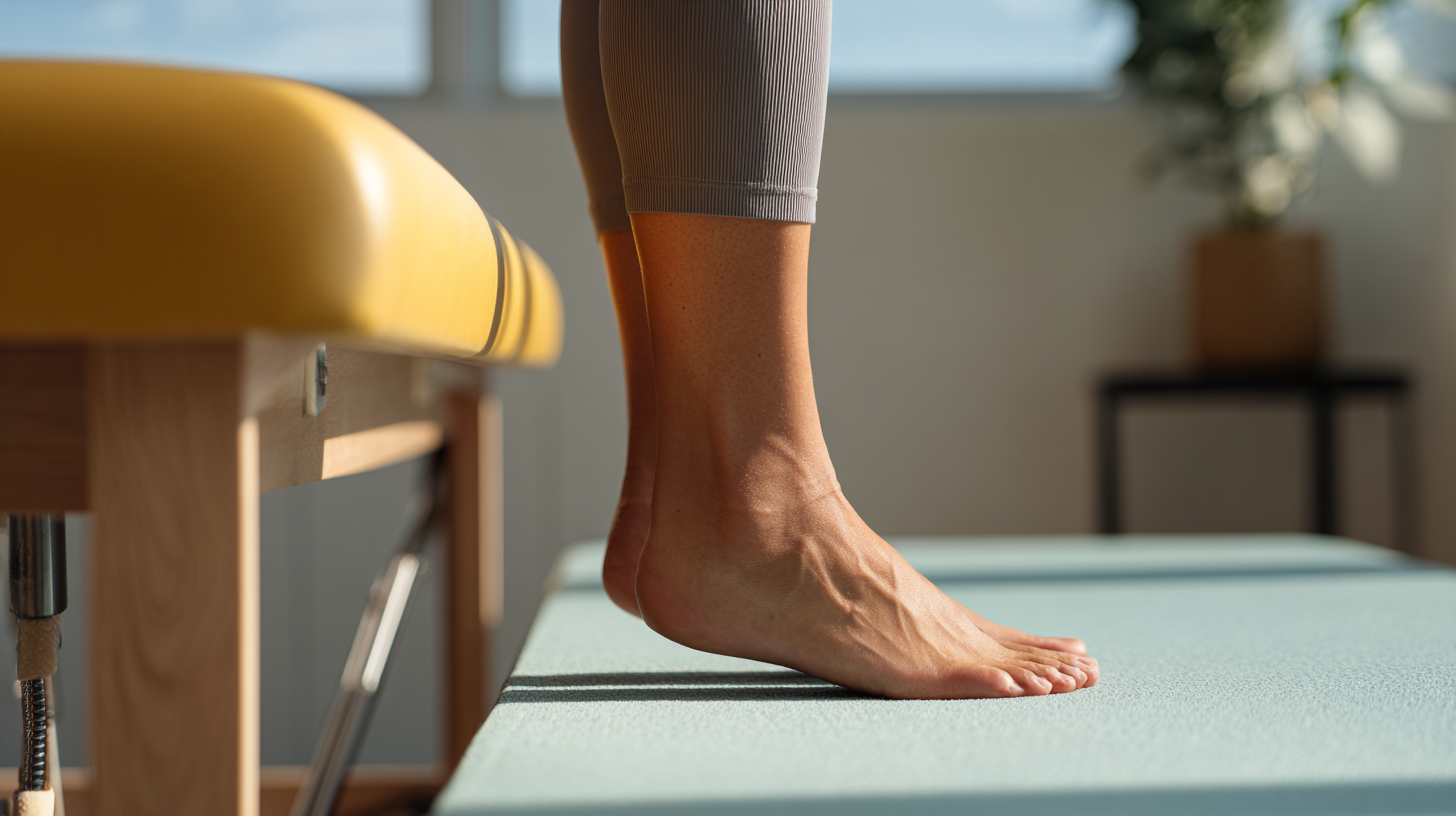
PTTD Treatment Exercises
Recovery from PTTD takes time and consistency — there are no quick fixes, but with the right exercises and support, most people notice real progress within a few months.
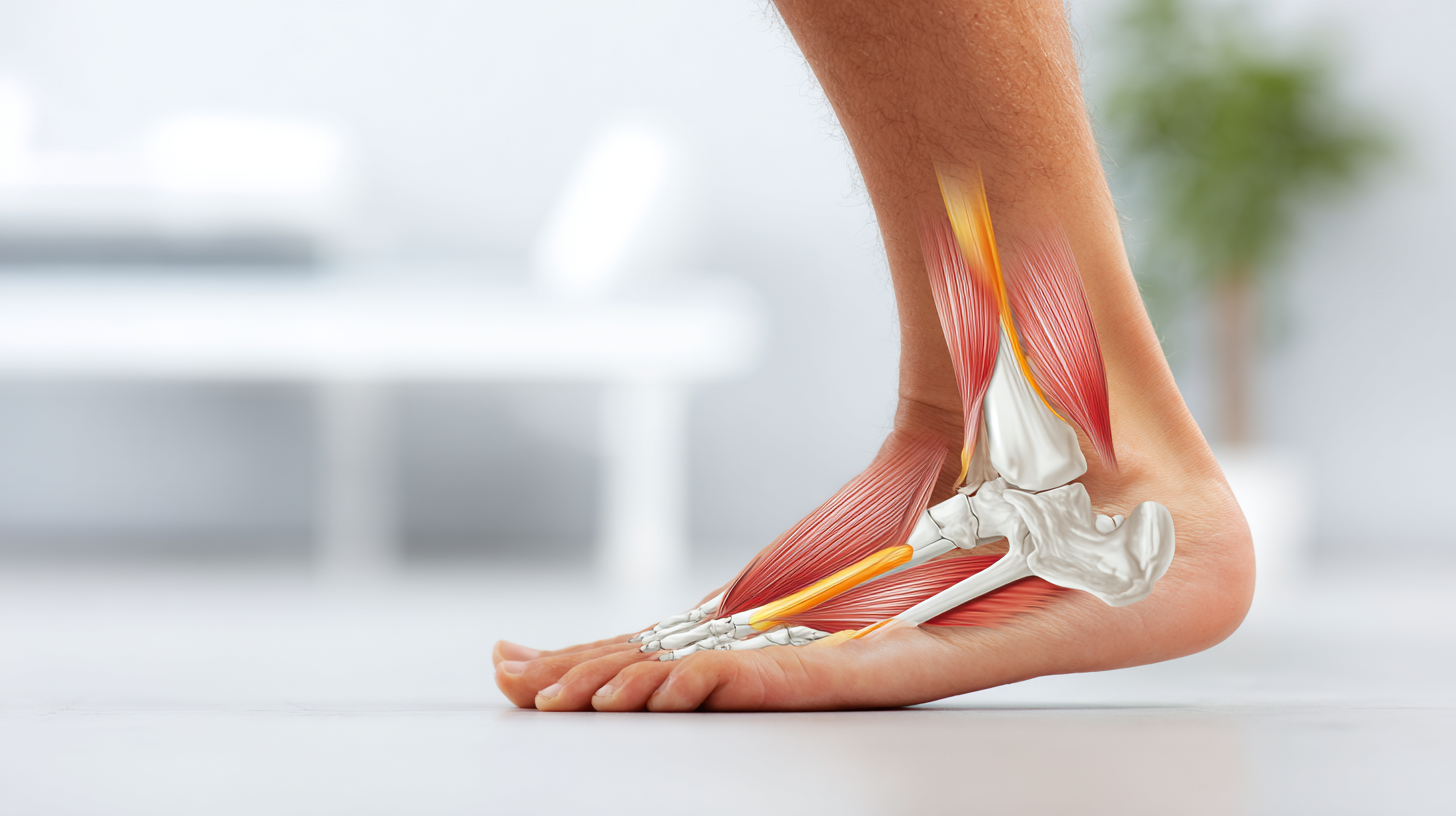
Posterior Tibial Tendon Dysfunction (PTTD)
PTTD happens when the tendon that supports your foot’s arch becomes strained or overused, leading to pain, swelling, and a flattening of the foot over time. Early treatment is key — with the right balance of rest, support, and targeted exercises, most people can manage symptoms and stay active without surgery.
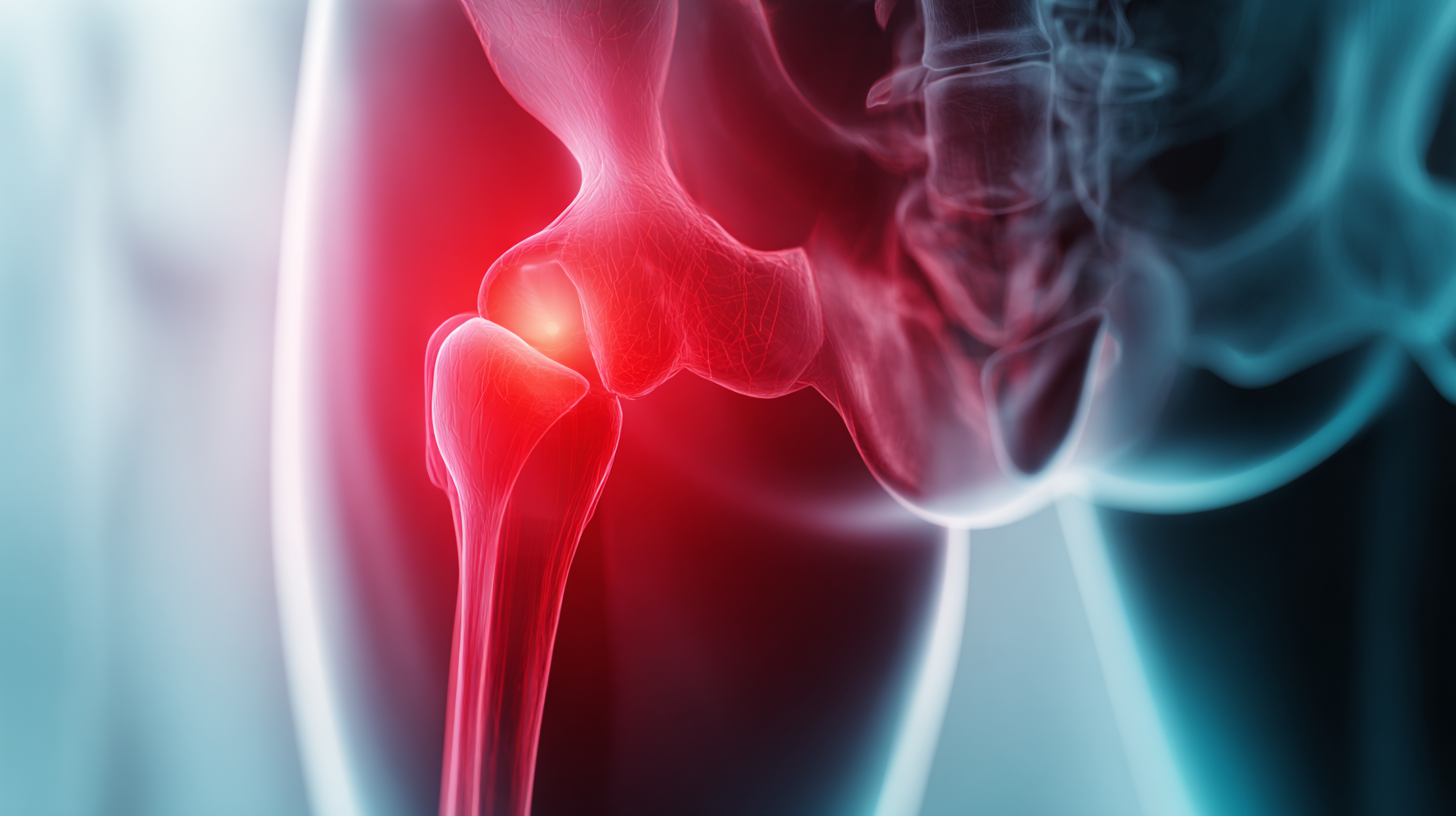
Femoroacetabular Impingement (FAI) Exercises
If you're active, hip pain and stiffness might be caused by Femoroacetabular Impingement (FAI), where the hip bones (the ball and socket) rub together. This simple guide explains why this happens (from Cam or Pincer bone bumps), what symptoms to look for, and the best way to get better. We give you a clear, step-by-step physiotherapy plan and exercises to strengthen your hip and get you moving without pain again.
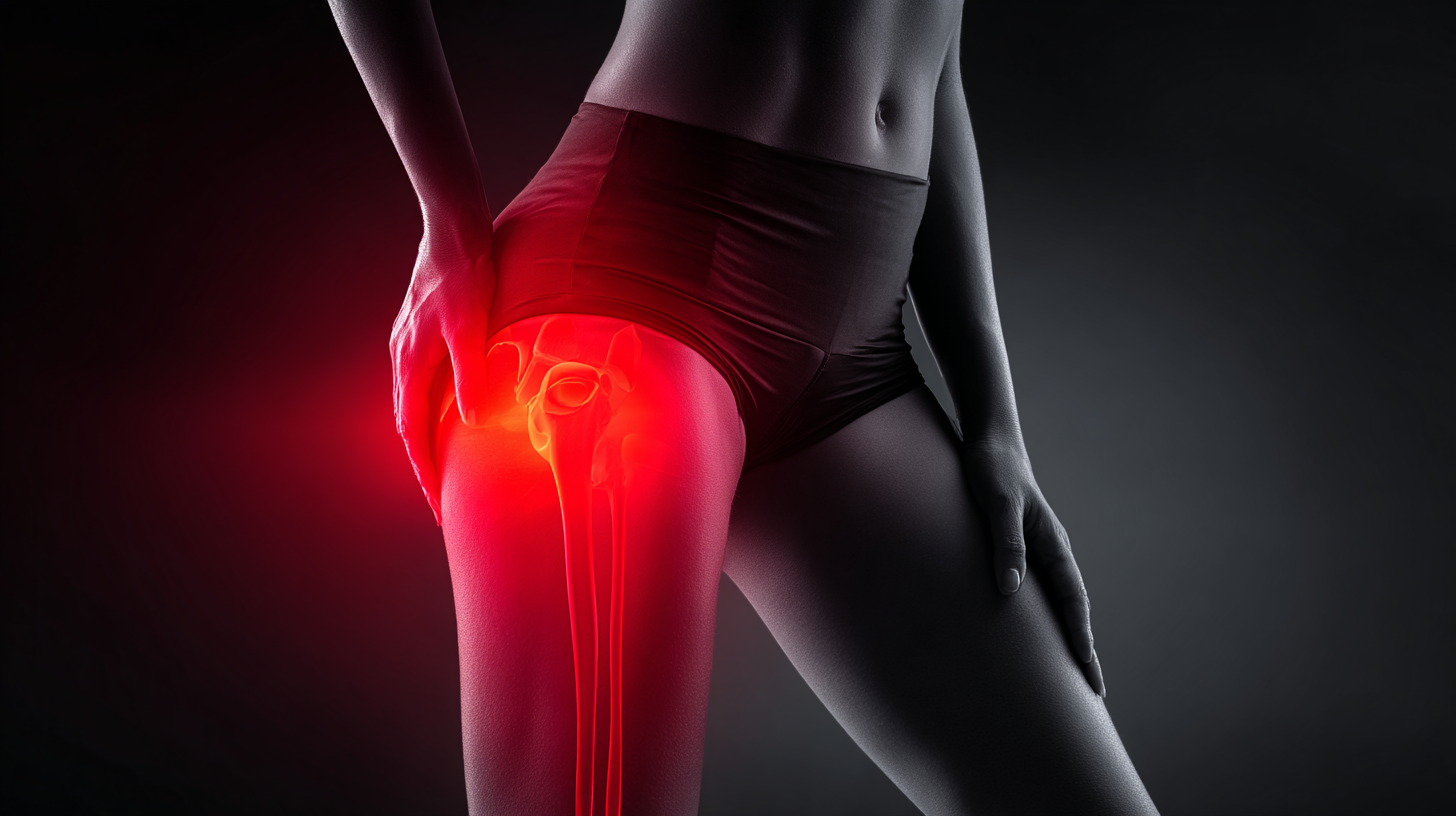
Femoroacetabular impingement (FAI), Hip Impingement
Hip impingement also known as femoroacetabular impingement occurs when there is abnormal contact between the hip’s bones. Anyone can have hip impingement although it is often diagnosed in active people in their 20s, 30s and 40s. This information page is designed to help you understand your diagnosis and by following these exercises, we will guide you through each step on your return to activities of daily living or any sporting goals you have.

Hip Osteoarthritis
Feeling a little stiffer in the mornings? You aren't alone. Osteoarthritis in the hip is a normal part of aging, but that doesn't mean you have to live with the discomfort. In this post, we explore exactly what’s happening to your joints and share practical, everyday tips to help you manage the pain and get moving again.

Hip Osteoarthritis Exercises
Ready to take control of your Hip Osteoarthritis treatment? This isn't just a list of movements—it's your Level 3 roadmap to stronger muscles, better stability, and less pain. We've compiled the most effective exercises (like the High Step-Up and Single Leg Bridge) and the essential stretches (hello, glute and hip flexor relief!) designed specifically to improve hip function.