

Knee Osteoarthritis Exercises
While osteoarthritis is a normal part of the aging process, it doesn’t have to sideline you. Although stiffness and discomfort are common, targeted exercise is one of the most effective ways to support your joints and regain mobility. This guide provides practical, easy-to-follow exercises designed to strengthen the muscles supporting your knee and help you manage your symptoms with confidence.

Knee Osteoarthritis
Osteoarthritis is a normal age related condition that causes joints to become painful and stiff. The knee is one of the joints most affected by osteoarthritis. The aim of this webpage is to provide you with information about the problems faced with age related changes in your knee and suggest a few helpful hints on how to help manage your symptoms.
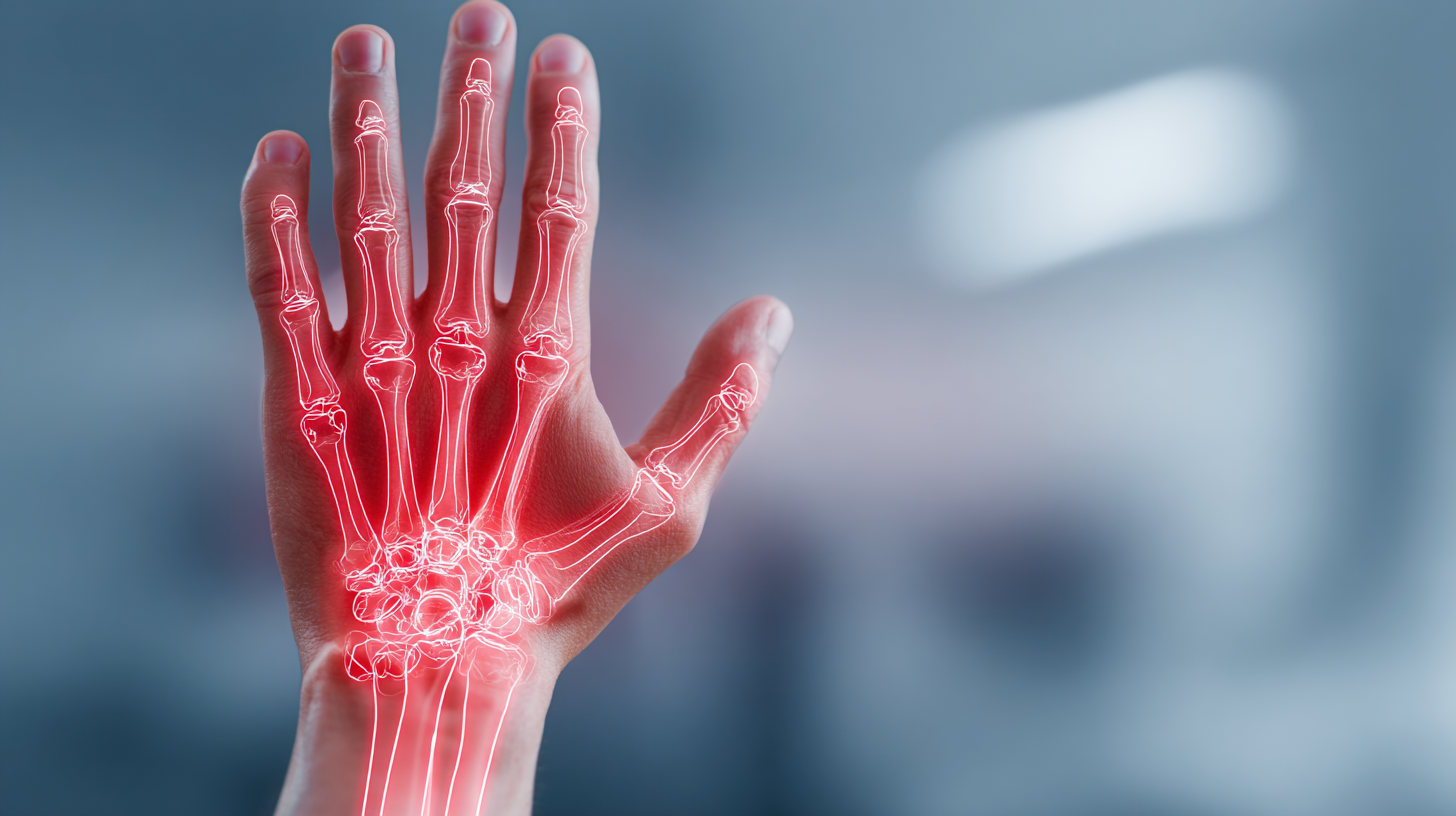
Dupuytrens Disease
Ever felt a firm bump in your palm or noticed your fingers don't want to straighten out like they used to? You're not alone. Dupuytren's Disease is surprisingly common, especially in men over 40. It usually starts small—just a little nodule under the skin—but over time it can turn into thick cords that pull your fingers down. The earlier you catch it, the more options you have for treatment. Let's break down what to look for and what you can do about it.
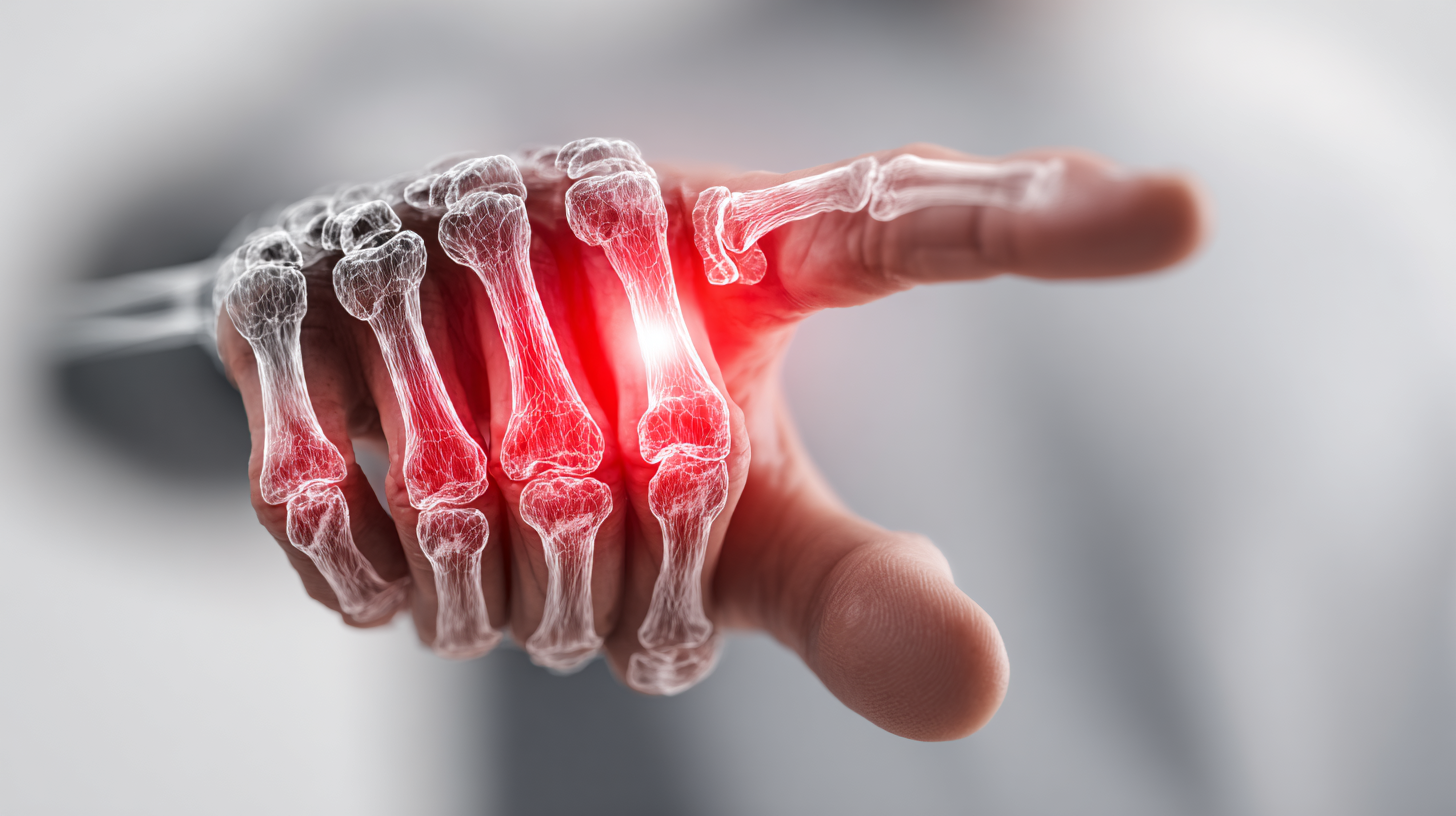
Trigger Finger
If your finger locks up or makes a clicking sound when you try to straighten it, you might have trigger finger. It's that annoying condition where your finger gets "stuck" in a bent position and then suddenly pops straight—kind of like pulling a trigger. It happens when the tendon in your finger gets inflamed and can't glide smoothly anymore. The good news? There are plenty of treatment options, from simple exercises to more advanced therapies, that can get your finger moving freely again.
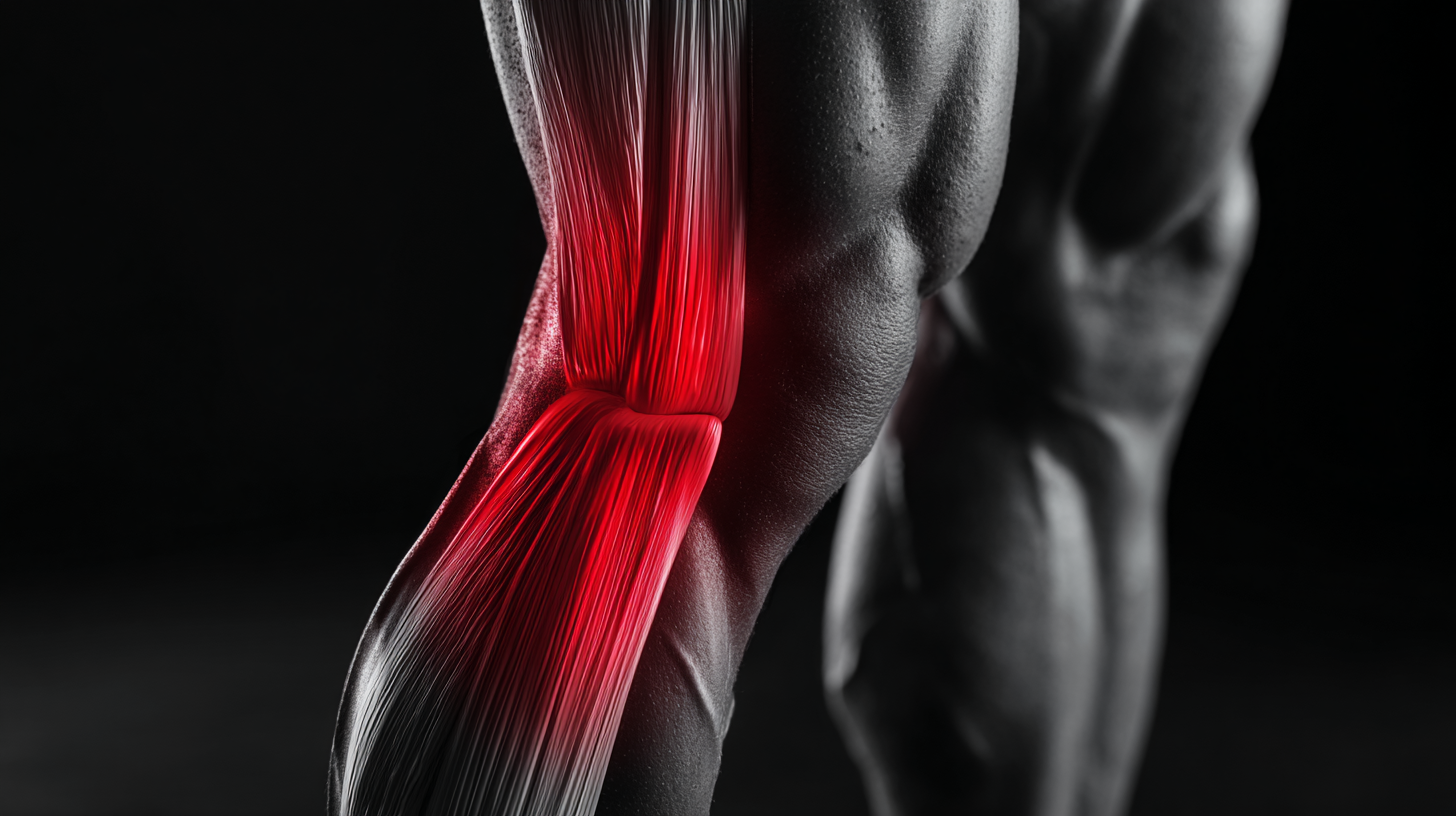
Hamstring Strain
In the clinic, we see it constantly: an athlete suffers a sharp hamstring "pull" during a sprint, rests for a week, and returns to play the moment the pain subsides—only for the muscle to ping again.
The reality of hamstring strains is that while they often heal quickly in terms of daily pain, they rarely regain their optimal strength or length without specific, targeted loading. This gap between "pain-free" and "game-ready" is where most re-injuries happen. In fact, the single biggest risk factor for a future tear is an improperly rehabilitated previous one.

Calf Muscle Strain
Sudden pain during a sprint? You’ve likely experienced a calf strain. While "pulling a muscle" is common, the real challenge lies in the recovery. Most calf injuries are never rehabilitated to their optimal level, leaving you vulnerable to future setbacks. Learn the mechanics of a calf tear and the essential steps to ensure your first injury is your last.

Wrist Fractures Treatment Exercises
Occasionally after having a hand or wrist injury you might find your fingers become stiff. The tendon gliding exercises below are designed to help reduce stiffness and improve your hand function to return to normal activities.
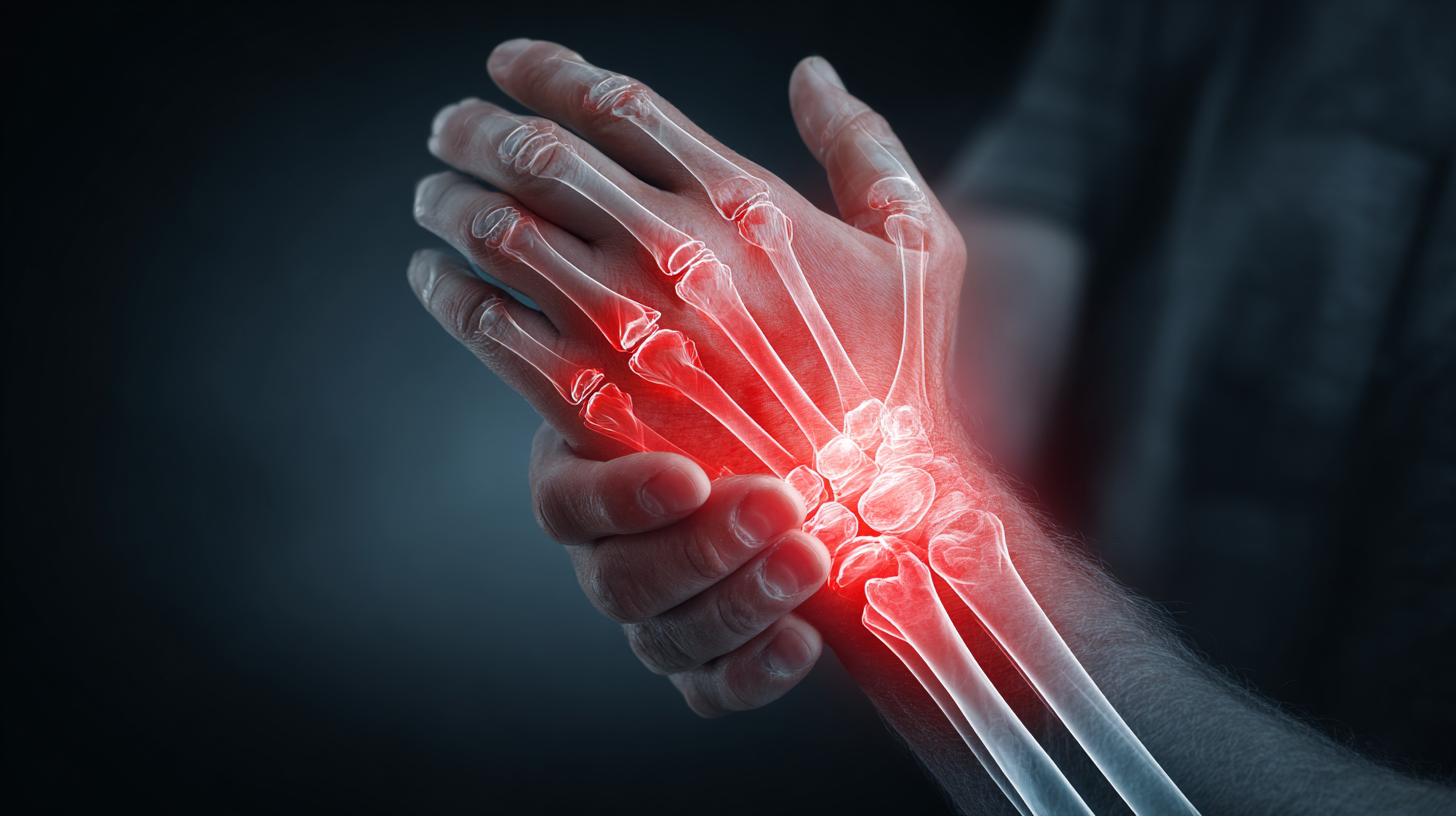
Wrist Fractures
The wrist (radiocarpal) joint is between the forearm bones (radius and ulna) and the eight carpal bones of the hand. Fractures can occur in any of these bones and treatment will vary depending on the location and type of fracture. The aim of this webpage is to guide you through your recovery in the most appropriate way.