
Wrist Fractures

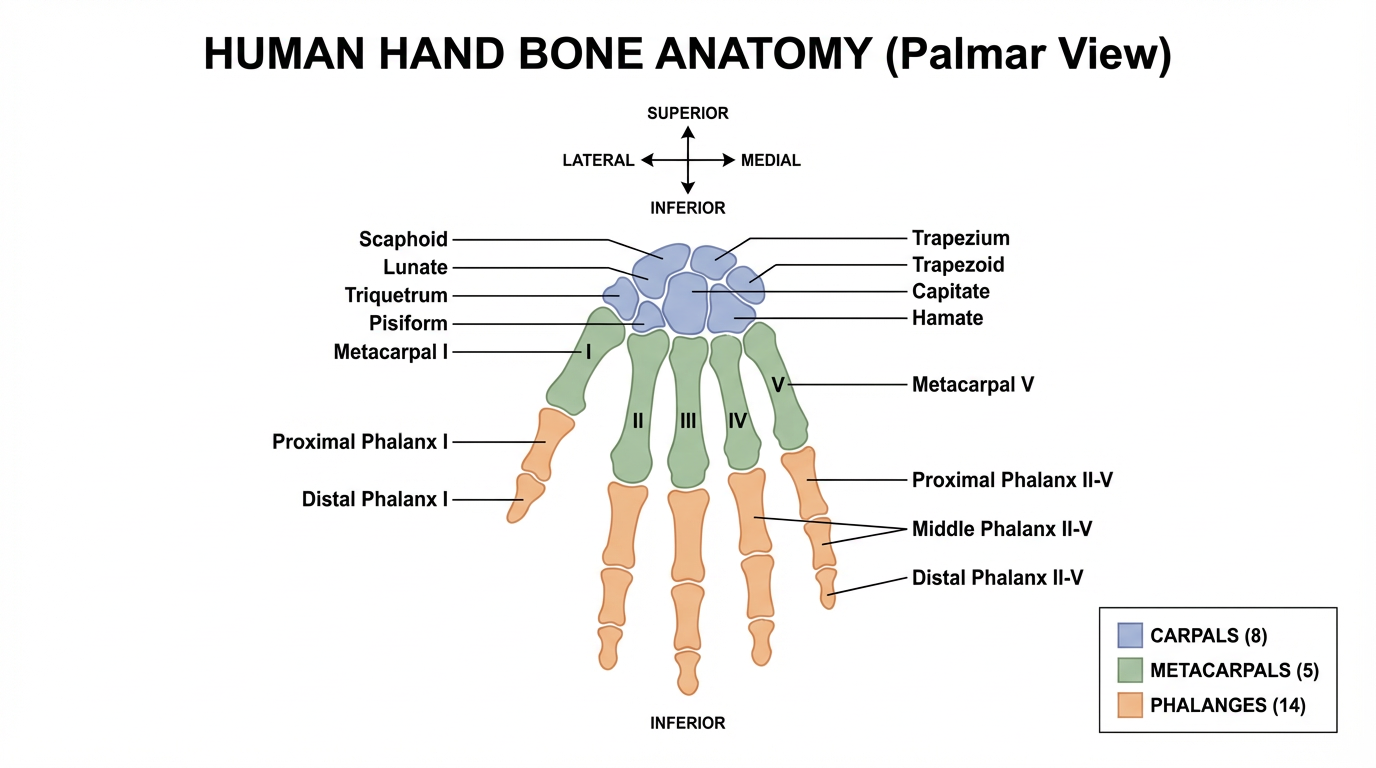
The wrist (radiocarpal) joint is between the forearm bones (radius and ulna) and the eight carpal bones of the hand. Fractures can occur in any of these bones and treatment will vary depending on the location and type of fracture. The aim of this webpage is to guide you through your recovery in the most appropriate way.
Fractures or bone breaks happen when a force is applied to a bone that is greater than the strength of the bone. This might depend on the angle at which the force is applied and how the force is generated. Fractures can happen with a fall, while playing sport/exercising, or during a work/road traffic accident. An x-ray is normally used to confirm the diagnosis of a wrist fracture.
It is not always a clear case that an operation or a plaster cast is the best course of treatment and the orthopaedic doctors will discuss the pros and cons with you on an individual basis to help you decide which way you would prefer to be treated.
What treatments are available for wrist fractures?
Many wrist fractures are successfully treated without surgery. Even in cases where the alignment of the bone fragments is disrupted, the bones can heal without any serious long-term consequences.
The following factors are considered to help decide whether or not a fracture can be managed without surgery:
The nature of the fracture – the location, the number of bone fragments, if it is an open fracture (where skin is broken), the alignment and stability of the fracture.
The possible treatment strategies, including non-surgical and surgical options and the rehabilitation that is required.
Your occupation and recreational activities.
Your general health and other comorbidities.
If surgery is not required, you will need to protect the fracture during the initial stages of healing with a cast (or in some cases a splint). You usually need to wear this for four to six weeks. It is important to exercise the fingers and thumb whilst your cast is in place to help avoid stiffness.
If you have an operation you will normally be placed in a plaster cast. You may be referred to hand therapy to have the cast changed to a splint or brace and to start exercises.
Fracture healing
It takes approximately six to eight weeks for your bone to heal and another six weeks for the bone to become almost as strong as it was before. Some injuries are more complex with damage to the surrounding ligaments which take longer to heal. It can take between six and twelve months for you to be able to use your hand normally.
The final outcome following a wrist fracture depends on many factors, including the nature and complexity of the fracture and the treatment you and the hand surgery / therapy team decide on. Early movement can also improve your outcome. However, the greatest factor to influence outcome is usually your body’s own response to the injury.
Pain and swelling
Pain and swelling are normal symptoms when you break a bone. To help manage this it is recommended that you keep your hand raised above heart level. You may use a sling during the day initially, but it is important to remove this regularly and move your elbow and shoulder to stop them from stiffening.
Basic painkillers and anti-inflammatories like paracetamol or ibuprofen can help manage pain and swelling. You may wish to discuss this further with your GP or pharmacist.
Seek medical attention if:
you experience increased pain, swelling, pins and needles or numbness in your affected arm that is not relieved by basic pain medication and raising your arm
the cast breaks, becomes too tight or becomes loose
While in the cast please:
keep your hand raised above your elbow as much as possible, especially in the first week
keep your cast dry – cover it with a plastic bag in the bath or shower or use a waterproof cast cover which you can buy online or at a pharmacy
only use your affected hand for light, pain-free activities
do not lift heavy items
do not drive
It is important that your pain is kept minimal to allow the uninjured parts to be kept moving and allow you to sleep well.
By continuing to move the unaffected areas it will maintain joint health and mobility. This will also encourage the blood supply to soft tissues and reduce swelling, as muscle activation helps to squeeze any extra fluid away from the injured area.
Research has shown that keeping the uninjured parts moving helps to speed up your recovery once the plaster has been removed and can reduce the risk of chronic regional pain syndrome (CRPS).
If you are a keen sports person or like to maintain a healthy lifestyle you should continue to remain active with exercise, whilst protecting the affected wrist. Cardio vascular exercise using an exercise bike or cross trainer will be safe and will allow you to do high intensity interval training, which can be similar to your sports fitness demands, or release those much needed endorphins gained from exercise. In some cases running will also be safe, please discuss this with your healthcare professional.
Body weight or machine resistance training to maintain strength of the unaffected areas (especially the lower limbs) is also a safe form of training and can be added with various core exercises. To find a suitable exercise program that will be specific to your needs and safe to carry out please discuss this with your healthcare professional.