
Posterior Tibial Tendon Dysfunction (PTTD)
What is posterior tibial tendon dysfunction?
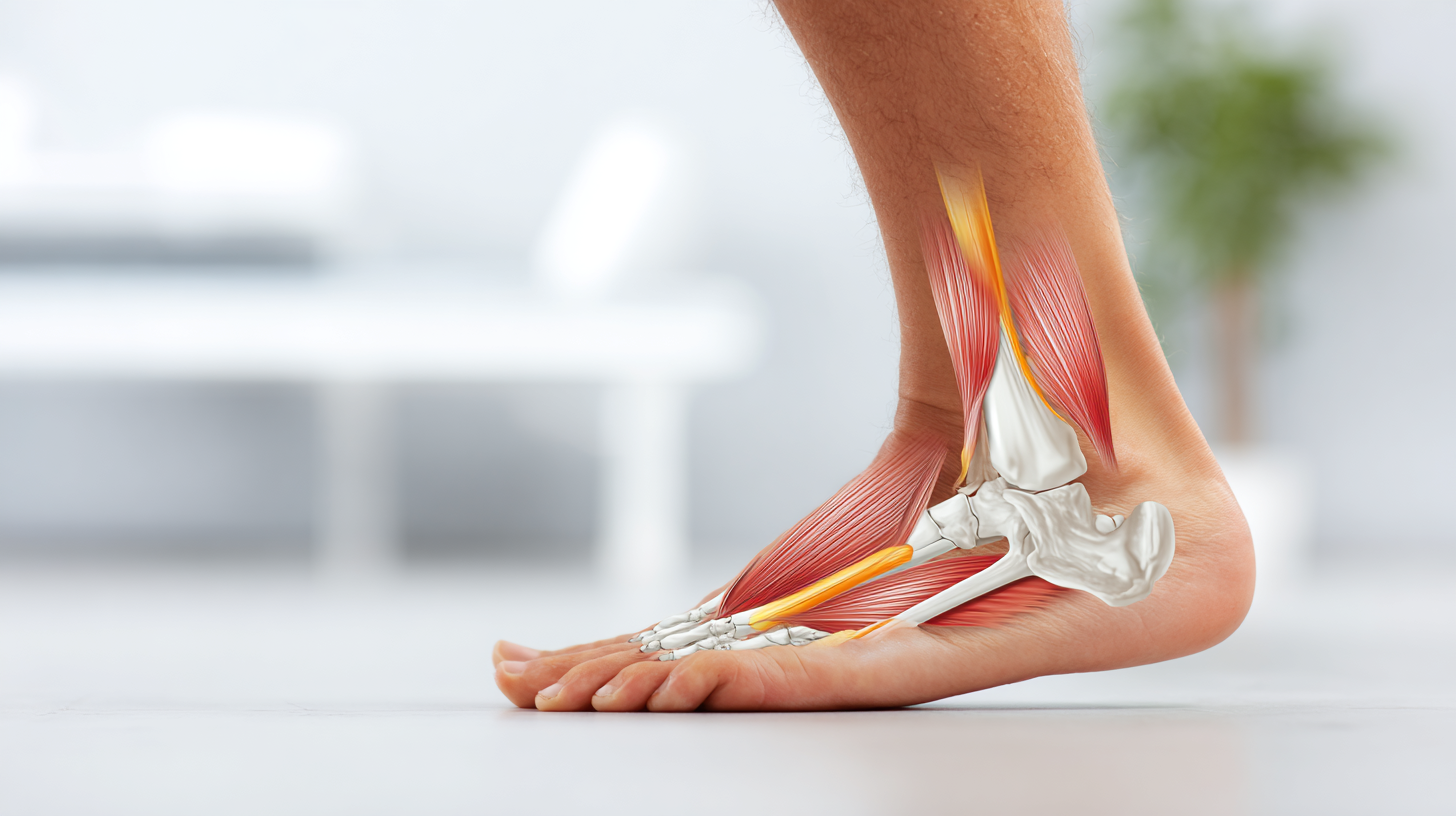
Posterior tibial tendon dysfunction (PTTD) is a common cause of flat foot deformity in adults. Tendons help connect muscles to bone. The posterior tibial tendon comes from the tibialis posterior muscle in the lower leg. It runs down behind the bone on the inside of the ankle, under the instep and attaches to bones in the arch of the foot. If the tendon becomes injured or overused, it loses its ability to stabilize and support the arch of the foot. This places more stress on other structures involved in maintaining the arch of the foot eg ligaments, causing the arch to slowly collapse over time resulting in a flat foot.
-
It is usually an overuse injury though it can be the result of a specific trauma. With excessive, repetitive loading through activities such as running and walking, micro-tears occur within the tendon more quickly than the body can repair them. This results in damage to the tendon, which eventually becomes painful, swollen and dysfunctional.
-
Anyone can get PTTD, though it tends to be more common in women and people over 40 years of age. It is also more common in people who have diabetes or those who are overweight. Other risk factors include previous surgery or trauma to the ankle, local steroid injection, and certain inflammatory conditions.
-
Initially, there is pain and swelling along the inside of the foot (along the cause of the tendon), worse with activity.
You may be aware of the foot becoming flatter through time.
It may feel like your ankle has rolled inwards.
You may have difficulty going up on tip toes on one leg.
As the foot flattens further, pain can spread to the outside of the ankle.
Ankle osteoarthritis can develop in more severe cases.
It is a progressive condition, in other words it will worsen with time if left untreated.
There are different stages of PTTD from mild to severe symptoms and deformity. Early detection and treatment is best to prevent permanent deformities of the foot/ankle. Diagnosis is usually made clinically, based on history and physical examination.
-
Medication
Pain relieving medication such as paracetamol, or medication to help reduce inflammation such as ibuprofen, can be helpful. It is best to consult a pharmacist or your clinician for advice on whether these are suitable for you.After an injury you may have heard from someone before about RICE (rest, ice, compression and elevation) when managing an injury. However, rest can be harmful and inhibits recovery. Recent research has now advised we use the acronym POLICE.
Protection
Optimal-Load
Ice
Compression
Elevation
The key term is Optimal-load, this replaces Rest. You may need to speak to your physiotherapist to discuss what your optimal load might be as it is specific to you but will help speed up your recovery process.
Flare ups
An increase in pain or ‘flare up’ is common with posterior tibial tendon dysfunction. The key is to manage this effectively and efficiently. By using POLICE this can help reduce the initial pain. During a flare up managing your optimal load is important. You may need to reduce the stresses at the hip, reduce the amount of exercises and daily activities that you do. Over time gradually increase your activity back to previous levels. You can discuss optimal load with your physiotherapist.Footwear
It is advisable to wear flat sturdy lace-up shoes, for example, trainers or boots. This will not only support your foot, but will also accommodate orthoses (shoe inserts). Avoid flat shoes with poor arch support.Orthoses
These can help to reduce the stress that the injured tendon is exposed to. These may range from a small insert into your shoe to rigid custom made devices depending on the deformity. A Podiatrist can provide foot orthoses modified to your specific needs.Taping
Certain taping techniques may be beneficial in the early stages to help offload the tendon and ease the pain short-term, whilst awaiting an orthosis.Manual Therapy
Joint or soft tissue mobilisation may be used to address any joint stiffness or muscle tightness.Surgical intervention
Surgery is rarely indicated, but if after 4 months of conservative treatment symptoms haven’t resolved, you may be referred to an orthopaedic surgeon to discuss the various surgical options.Exercises
Specific exercises to rehabilitate and strengthen the tendon can help you to return to your previous levels of activity. Your Physiotherapist will give you a specific regime to follow. Other exercises such as stretching, balance or strengthening of other muscles thought to be increasing the strain on the tendon may be included in your rehabilitation programme.
