
Femoroacetabular Impingement (FAI) Exercises
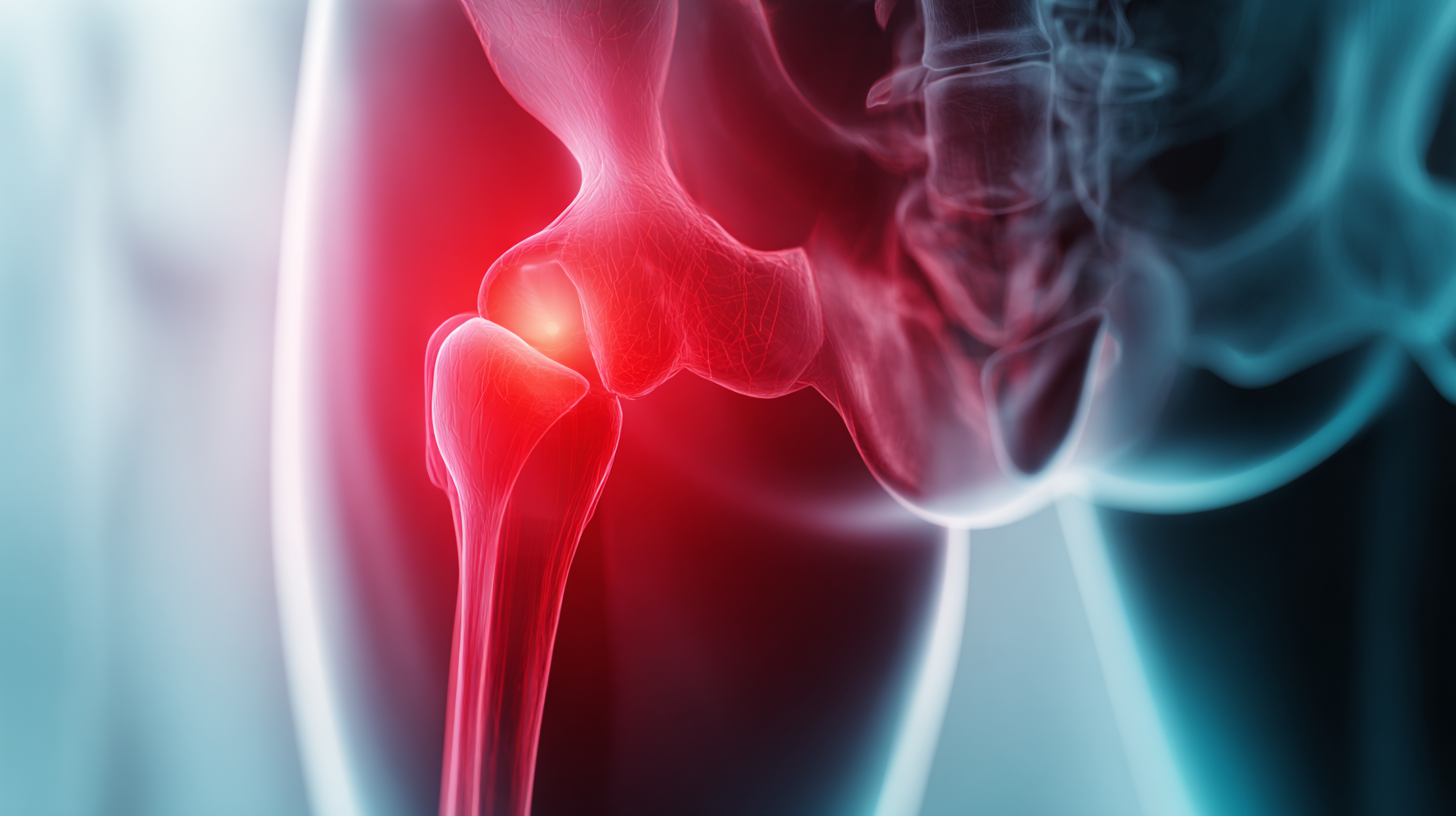
Introduction: What is FAI?
Femoroacetabular Impingement (FAI), commonly known as hip impingement, occurs when there is abnormal contact between the bones of the hip joint. This condition is frequently diagnosed in active individuals in their 20s, 30s, and 40s, though anyone can be affected.
This guide provides information to help you understand your diagnosis and follow a structured exercise program for your return to daily activities and sporting goals.
Symptoms & When to Seek Help
In addition to hip pain, a person with FAI may experience:
Loss of Range of Motion: Especially difficulty rotating the hip inward or moving the leg toward the body’s centerline.
Stiffness: Making movements slower or more difficult.
Trouble Going Up Stairs: Changes in gait due to limited hip motion.
Decreased Muscle Strength: Weakness around the hip joint.
Loss of Balance: Difficulty balancing on the affected leg.
Limping: Occurs in moderate to severe cases due to pain and limited function.
The FAI Rehabilitation Exercise Program
The objective is to improve proximal musculature capacity to optimize lower limb mechanics and build strong pelvic/core control. Do not continue if discomfort exceeds 3-4/10.
⚠️ Safety Note: Consult with your physiotherapist before starting any new program. Contact your GP immediately if you feel light-headed, dizzy, or have issues with your breathing.
Phase 1: Activation & Low-Load Strengthening
Aim: Activate core and gluteal muscles while keeping pain levels low. You should feel the muscles in your bottom working.
| Exercise | Hold Duration | Repetitions | Sets | Frequency |
|---|---|---|---|---|
| Phase 1a: (Aim to activate muscles, hold for 5-10 seconds) | ||||
| Isometric Hip Abduction in Supine | 5 sec | 5 | 3 | 2x a day |
| Standing Gluteal Activation | 5 sec | 5 | 3 | 2x a day |
| Bridge | 5 sec | 5 | 3 | 2x a day |
| Wall Sit | 20–60 sec | 3–5 | 1 | 2x a day |
| Exercise | Hold Duration | Repetitions | Sets | Frequency |
|---|---|---|---|---|
| Phase 1b: (Progress when 1a is easier) | ||||
| Clam | 5 sec | 5 | 3 | 2x a day |
| Hip Abduction | 5 sec | 5 | 3 | 2x a day |
| Fire Hydrant | 5 sec | 5 | 3 | 2x a day |
Phase 2: Movement & Control
The aim of this section is to start working your muscles while you move. You should be working hard but keep your pain levels low. The main focus is on the control while you do the exercises.
You should aim to build up to 12 – 15 repetitions, with 3 sets. You can make the exercises more difficult by adding a weight or extra resistance with a stronger band.
| Exercise | Repetitions | Sets | Frequency |
|---|---|---|---|
| Box Squat | 12–15 | 3 | 1–2x a day |
| Staggered Bridge (5 sec hold) | 5–10 | 3 | 1–2x a day |
| 1/2 Side Plank Clam (5 sec hold) | 5–10 | 3 | 1–2x a day |
| Crab Walk | 12–15 | 3 | 1–2x a day |
| Step Up | 12–15 | 3 | 1–2x a day |
Phase 3: Strength & Progressive Load
As your hip and soft tissues adapt, the aim is to progress the load and make things harder to get more adaptation and gradually increase your strength. The aim remains to work hard but keep your pain levels low.
You should still focus on control while you do these exercises.
You should aim to build up to 12 – 15 repetitions, with 3 sets. You can make the exercises more difficult by adding a weight or extra resistance with a stronger band.
| Exercise | Repetitions | Sets | Frequency |
|---|---|---|---|
| Goblet Squat | 12–15 | 3 | 3–5x a week |
| Single Leg Bridge (5 sec hold) | 10 | 3 | 3–5x a week |
| Cross Over Step-Up | 12–15 | 3 | 3–5x a week |
| Lunges | 12–15 | 3 | 3–5x a week |
| Romanian Deadlift | 12–15 | 3 | 3–5x a week |
Goblet Squat
Single Leg Bridge
Cross Over Step-Up
Weighted Lunges
Kettlebell Romanian Deadlift
Essential Stretches for FAI
The objective of this programme is to improve proximal musculature capacity to optimise lower limb mechanics and activate muscles around the hip to build strong pelvic/core control.
Discomfort which exceeds 3/10 should not be continued.
Hold 3 sets of >30 seconds each stretch. Daily
Priformis
Gluteus Medius
Hip Flexor
Hip Flexor (Thomas Stretch)
Quads
Hamstring
Hip Adductor
