
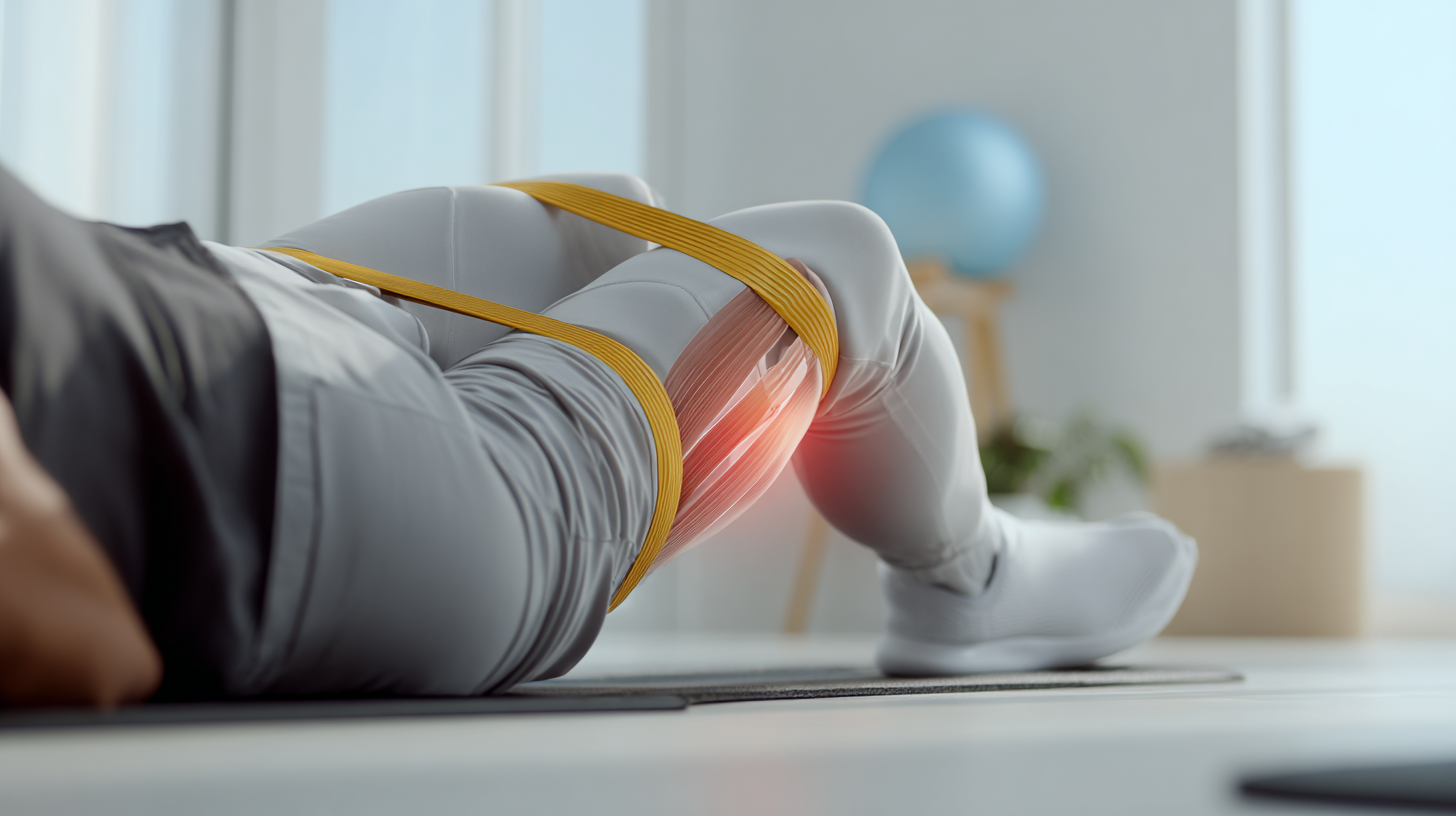
Hip Dysplasia Phase 3 - Muscle Activation
In hip dysplasia, the shallow hip socket often causes the primary stabilizing muscles, especially the gluteal muscles (gluteus medius and minimus), to become weak or inhibited. This lack of dynamic stability forces other muscles to overwork, leading to altered movement patterns and pain. Our physiotherapy program focuses specifically on targeted muscle activation exercises designed to restore the optimal function of these key stabilisers.
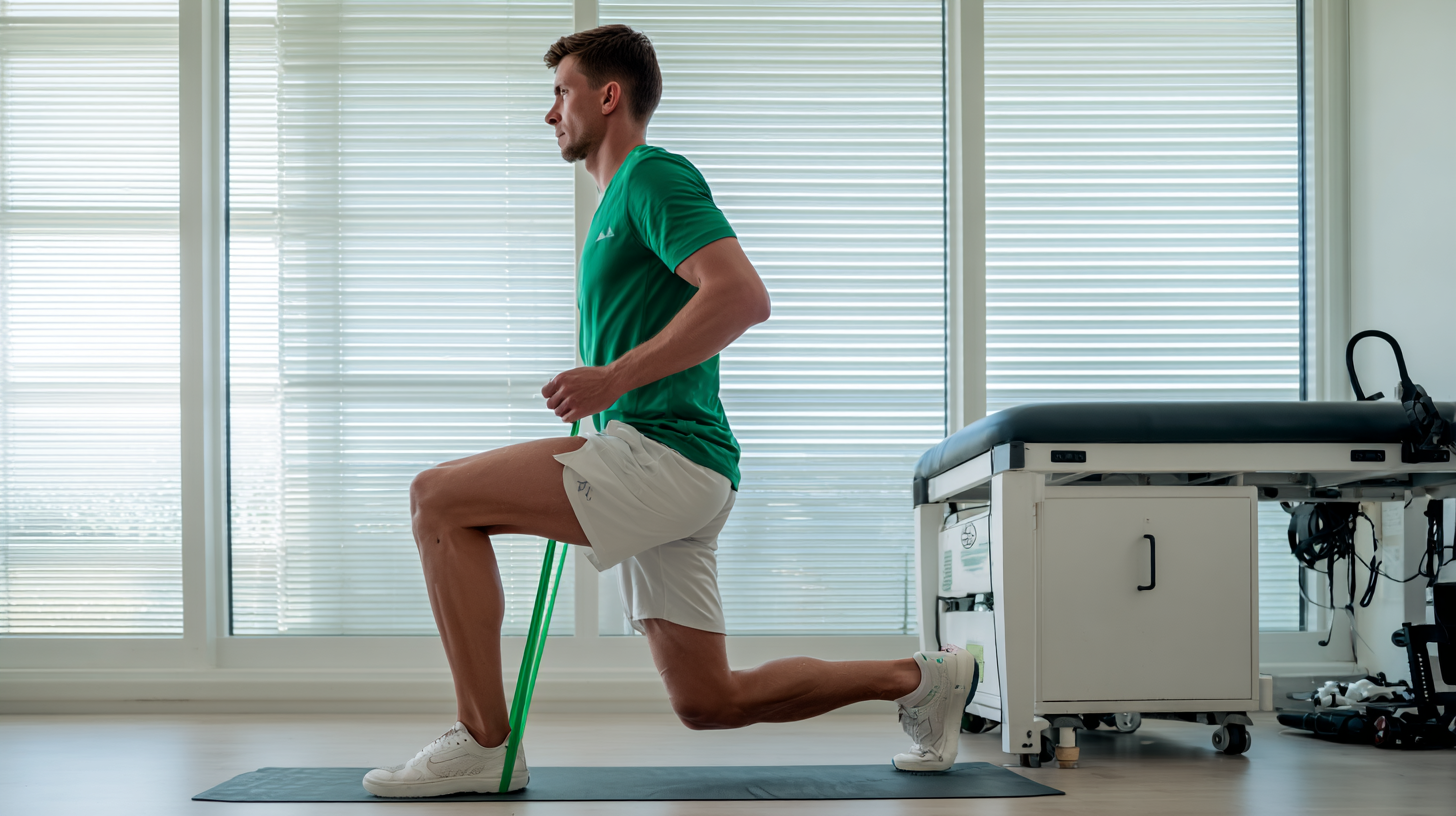
Hip Dysplasia Phase 2
The initial 6 to 8 weeks post-PAO are vital for setting the stage for a successful recovery. We start with gentle range of motion exercises to prevent joint stiffness and promote muscle activation. These specific movements are designed to encourage blood circulation, which is crucial for healing and reducing the risk of blood clots. Find the full, detailed exercise guide inside, including important safety guidelines and pain management protocols.
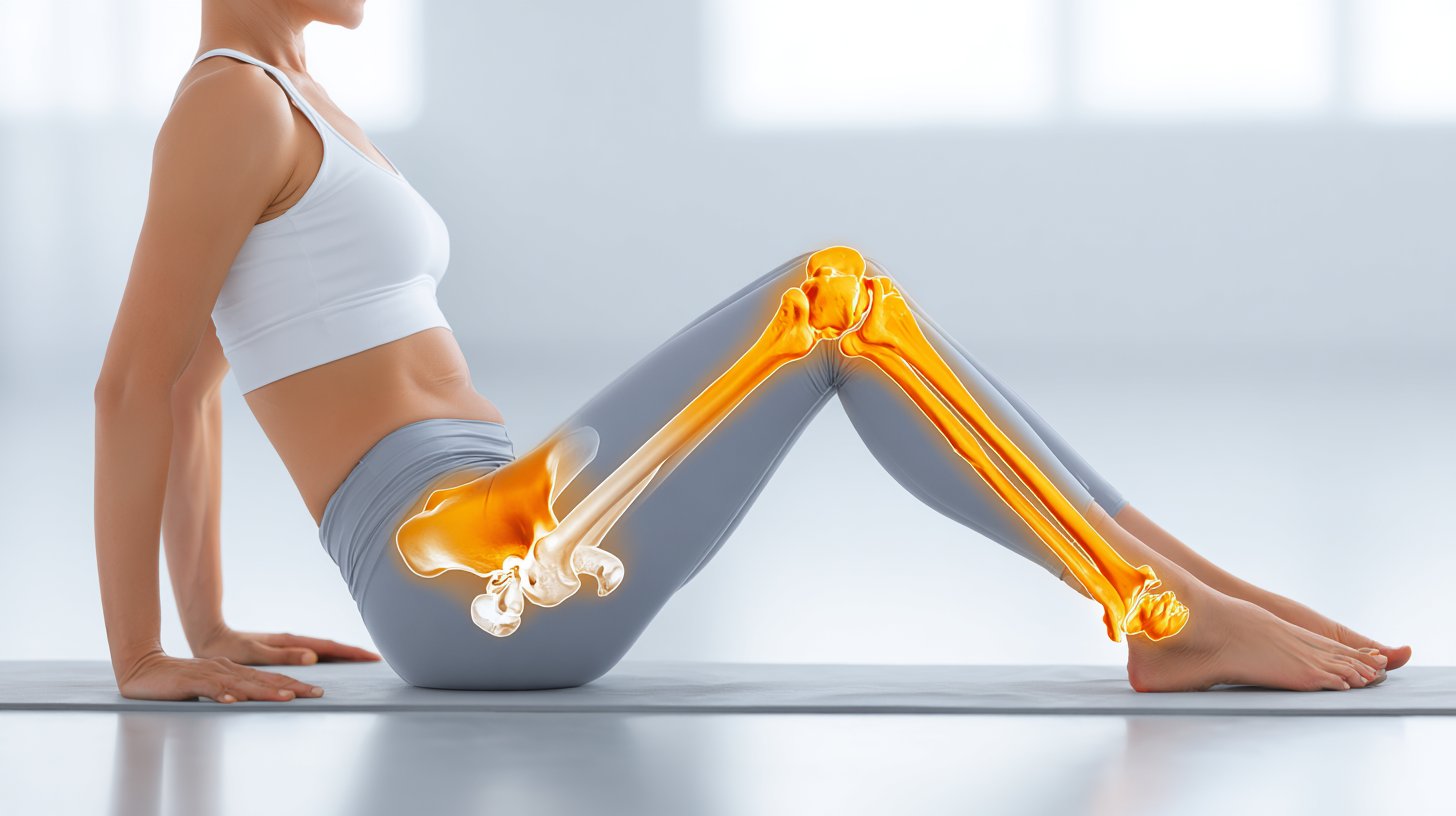
Hip Dysplasia Phase 1
Receiving a diagnosis of hip dysplasia can feel overwhelming, but you’re not alone. Understanding what this condition means is the first step toward taking control of your recovery.
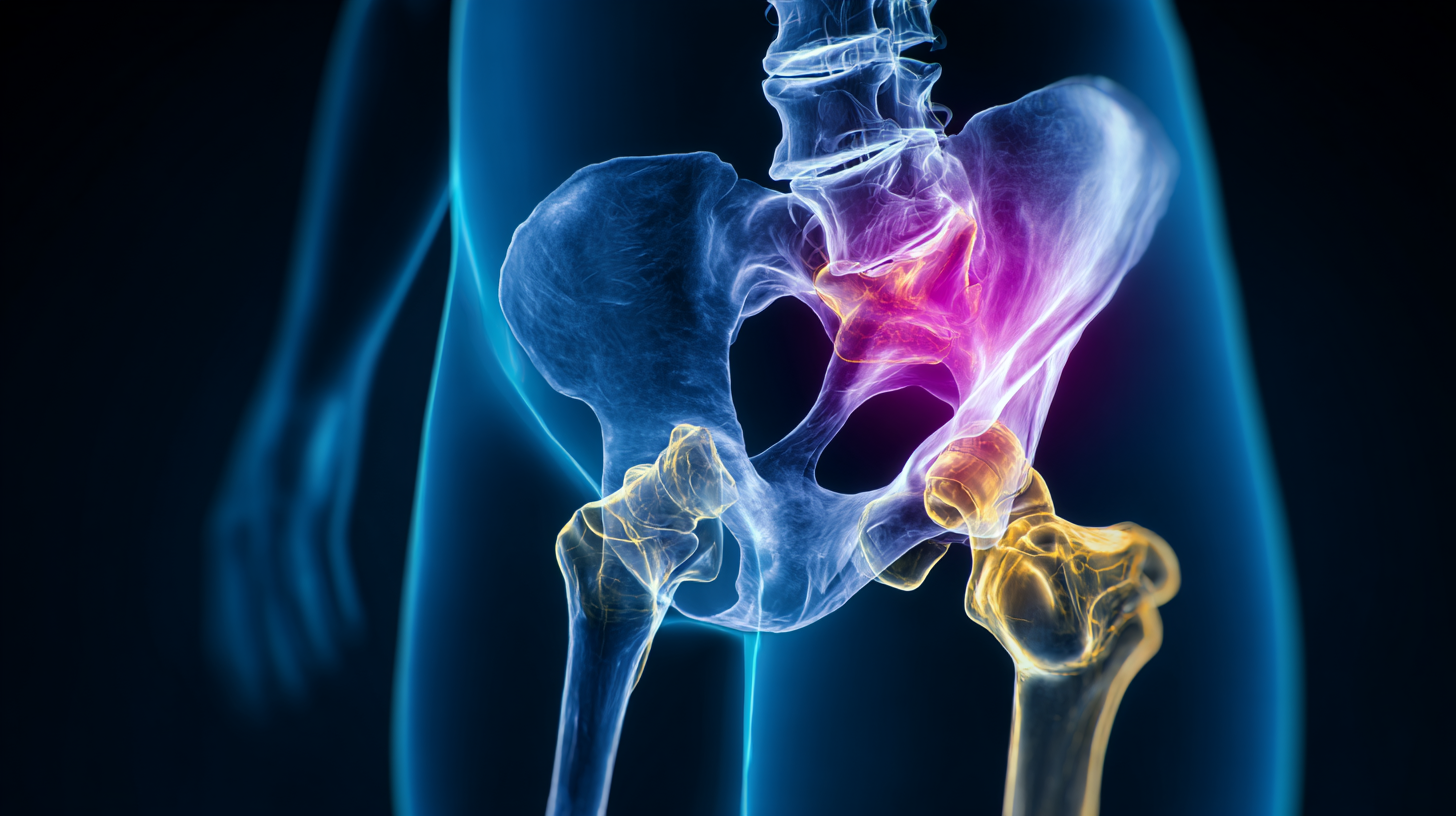
Hip Dysplasia (Peri-Acetabular Osteotomy – PAO)
Receiving a diagnosis of hip dysplasia can feel overwhelming, but you’re not alone. Understanding what this condition means is the first step toward taking control of your recovery. Our goal is to guide you through every stage — from making sense of your diagnosis to helping you return to everyday activities or even achieve your sporting ambitions. Whether your treatment plan involves surgery or a non-surgical approach, this resource is here to support you with clear, reassuring information at each step of the journey.