
Hip Dysplasia (Peri-Acetabular Osteotomy – PAO)
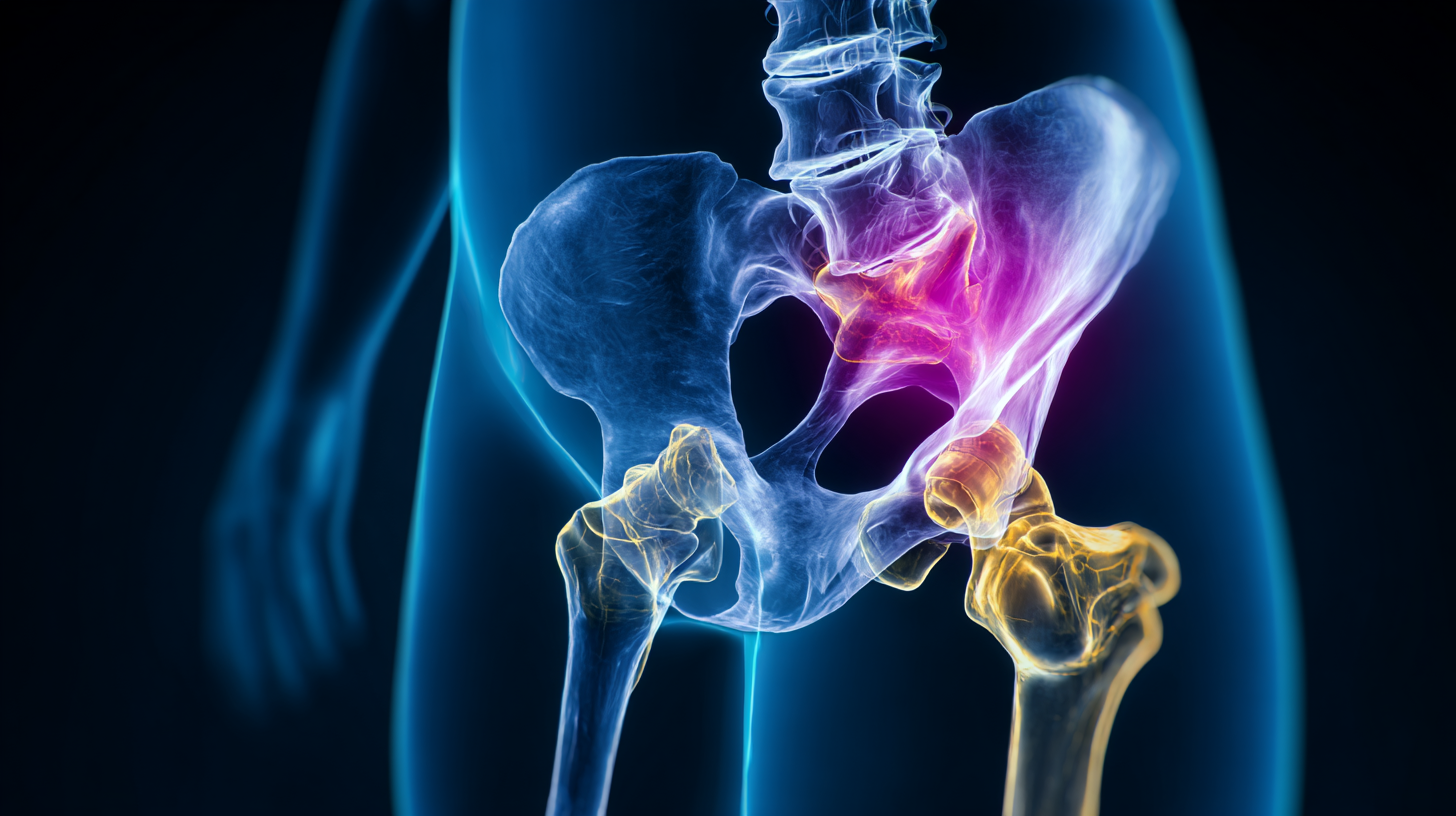
You have been diagnosed with hip dysplasia, what now? The aim of this webpage is to help you understand this diagnosis and we will guide you through each step on your return to normal activities or any sporting goals you may have, whether you have surgery or not.
Hip Anatomy
The hip is a ball and socket joint.
The ball (femoral head) is the rounded top of the femur, commonly known as the thigh bone.
The socket (acetabulum) is located in the pelvis.
The femoral head fits into the socket. The ball-and-socket anatomy allows the leg to move forward, backward and side to side. It also allows for internal and external rotation (pointing the toes inward and outward).
Cartilage helps stabilise the joint and facilitates hip movement.
Articular cartilage: Both the femoral head and acetabulum are lined with a strong, slippery material called articular cartilage. This cartilage allows the surface for the ball and socket to glide against each other during hip movement.
Labrum: Another piece of cartilage, called the labrum, rings the outer edge of the acetabulum. The labrum deepens the socket, making the hip joint more stable, and its elasticity allows for flexibility.
Having an understanding of hip anatomy is necessary to understand hip dysplasia and why you may need a PAO.
-
If you find yourself with hip dysplasia as a young person or adult you may have had a previous diagnosis as a baby. This is called Developmental Dysplasia of the Hip (DDH). It is sometimes known as ‘clicky-hips’ or ‘loose hips.’ You may have had treatment such as a pavlik harness or plaster cast or surgeries as an infant or child and have residual hip dysplasia now. However, you may not have had an infant diagnosis. Your symptoms might have started developing as a teenager or young adult after exercise or prolonged standing.
-
The reasons why some cases of Hip Dysplasia are not picked up until later in young adult life are not fully known. One reason could be due to the fact that our current screening methods for Hip Dysplasia in infants don’t pick up every case. Another theory is that some forms of hip dysplasia develop during a growth spurt in adolescence and are linked to ligament laxity (hypermobility syndromes).
-
The causes of hip dysplasia still remain much debated and further research is required. However, there are some known risk factors that may play a part:
First born
Female gender Breech presentation
Swaddling as a baby
The heritable component of DDH due to common genetic links is approximately 55%. (links with GDF5 gene)
Ligament laxity or hypermobility syndromes, or a family history of this – 47% more prevalent in DDH 10 Hip Dysplasia in teenagers & young adults
-
It is not uncommon for people to find it takes a long time to find a clear diagnosis of hip dysplasia, the average time to diagnosis is 5 years. Dysplasia often masquerades as other issues such as tight muscles and there are no specific clinical tests that diagnose dysplasia. You may have found you have seen a medical professional or Physiotherapist who has treated these other issues initially but that it has not helped your symptoms. It is important that you see a Physiotherapist and Consultant who specialises in dysplasia.
Pregnancy, relationships & family life
Will having hip dysplasia affect me in pregnancy?
It is fine to get pregnant if you have hip dysplasia. Extra weight carried through pregnancy will increase the load going through the hip joints, which may increase your pain.
If you have hypermobility, your hip pain can increase during pregnancy as the hormone relaxing increases ligament laxity in preparation for the birth- this results in less stability from the ligaments around the hip joints and can cause increase shearing and therefore pain. Physiotherapy, maintaining strong muscles and pelvic corsets can help with this.
If you have had a pelvic osteotomy, this surgery does not encroach the birth canal and therefore you can deliver normally if you wish.
-
Hip dysplasia is approximately 12 x more likely when there is family history. If you have a diagnosis of hip dysplasia it is important that your new-born child has an ultrasound screening. (International Hip Dysplasia Institute).
-
Being intimate with your partner is a key part of your relationship but your hip pain may make you worried or anxious about this. The most important thing is to be honest with your partner about what is painful and uncomfortable. Positions that force the hips into extreme movement and full flexion may be more painful. Keeping your core stable, with your feet on something will provide improved joint position sense and reduce unstable feelings
-
Receiving a diagnosis of hip dysplasia can be overwhelming. You might feel sad, angry, uncertain of the future or even relieved to find out what is wrong. All these feelings are normal. It’s important to know that you are not alone, there are many others with this condition, and seeking support (see final page for support groups), coping strategies & practical tips from others can be really beneficial, whatever treatment you decide on.
It can also take a while for information about your condition to sink in. You may want to save this webpage to refer back to. You can find details of online support networks & further resources at the bottom. If you have chosen to undergo surgery then talking to others with hip dysplasia can help you feel prepared for what to expect and what recovery will be like.
One of the most important things in the journey of hip dysplasia diagnosis is acceptance of the diagnosis and then moving forwards.
If you are on social media, there are some great pages to help you. The HIPDYSPLASIAPHYSIO online and Instagram is one excellent site, with excellent help.
If you are not having surgery you can skip to the pre – operation exercise section,
