
OA Thumb
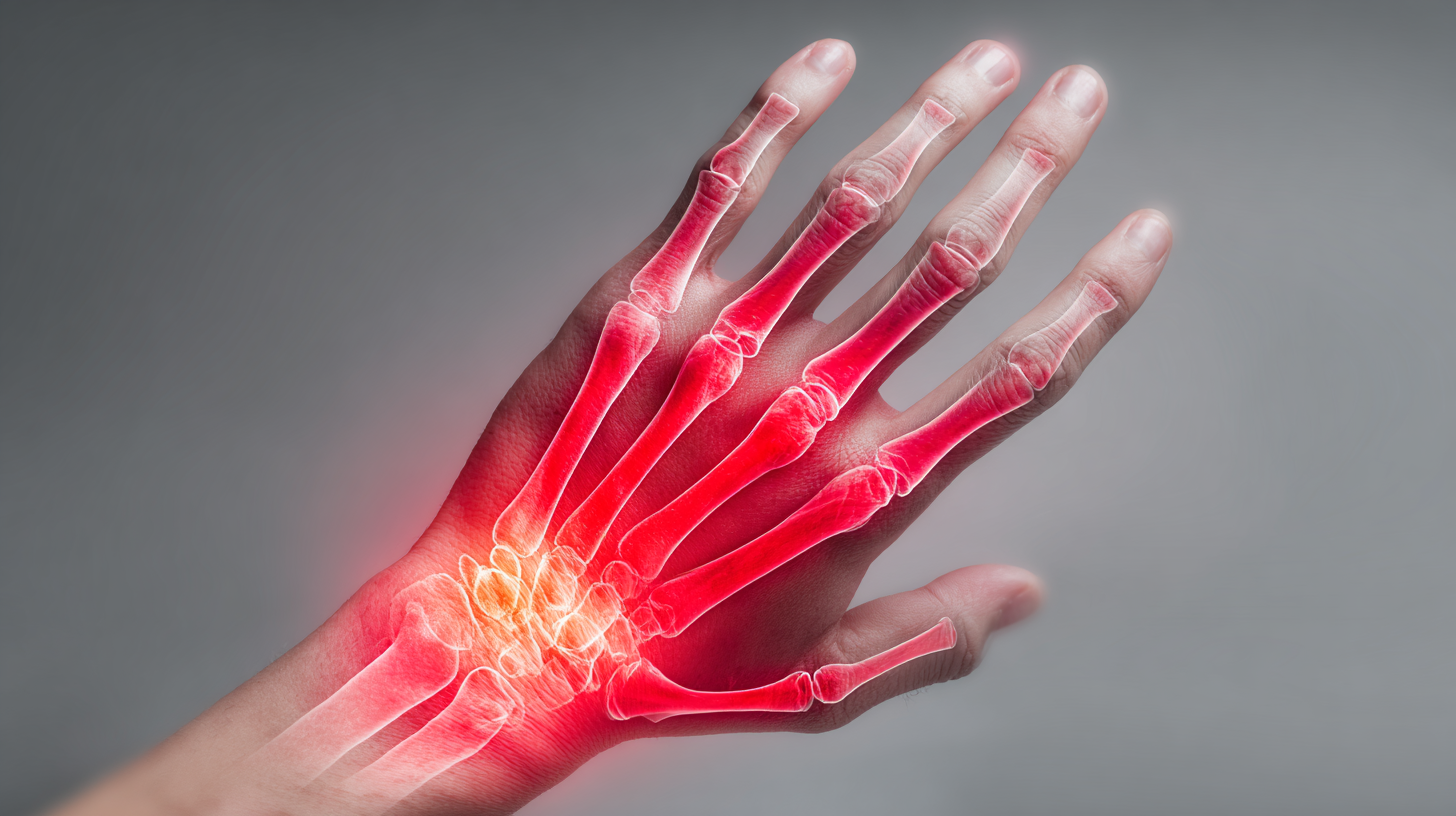
Osteoarthritis (OA) is the most common form of arthritis and affects mainly the joint’s cartilage and surrounding bone tissue. Osteoarthritis in the thumb is the most common form of arthritis that affects the hands. Symptoms of thumb arthritis can become crippling, partly because the thumb is needed so often for daily tasks. Decreased grip strength, decreased range of motion swelling and pain throughout your hand may occur. The aim of this information page is to to provide you with information about your thumb arthritis and give you a better understanding of your thumb joint; why you experience pain and how you can manage your symptoms.
Thumb anatomy
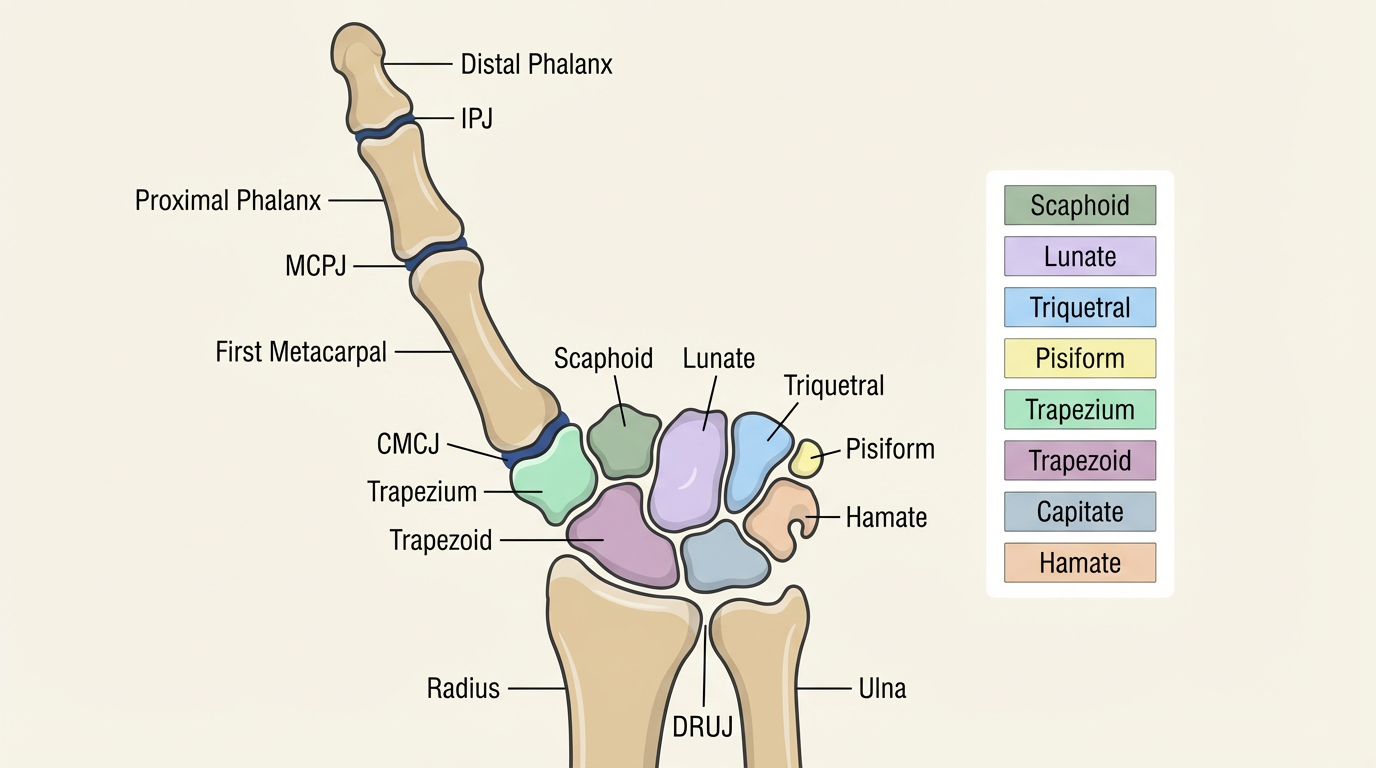
Your thumb is made up of three long bones; the distal phalanx, proximal phalanx and 1st metacarpal. The base of the 1st metacarpal rests on a small bone called the trapezium, which forms part of the wrist. The joint where these two bones meet is called the 1st carpometacarpal joint (CMCJ).The CMCJ is a special joint called a saddle joint, which allows the large range of movements to be performed by the thumb.
The bones are kept firmly in place on both sides of the joint by the ligaments. These are thick, strong bands which run within or just outside the capsule. Together, the ligaments and the capsule direct the movement of the joint. Tendons attach to the bones around the joint to provide further stability. The muscles of these and surrounding tendons produce movement around the thumb and hand.
-
The universal joint at the base of the thumb, between the metacarpal and trapezium bones, often becomes arthritic as people get older. It is osteoarthritis, which is loss of the smooth cartilage surface covering the ends of the bones in the joints. The cartilage becomes thin and rough, and the bone ends can rub together. Osteoarthritis can develop at any age, but usually appears after the age of 45. It may run in families and it sometimes follows a fracture involving the joint many years before.
Arthritis of the basal joint of the thumb is common in women and rather less common in men. X-rays show it is present in about 25% of women over the age of 55, but many people with arthritis of this joint have no significant pain.
-
Pain at the base of the thumb, aggravated by thumb use.2. Tenderness if you press on the base of the thumb.3. Difficulty with tasks such as opening jars, turning a key in the lock etc.4. Stiffness of the thumb and some loss of ability to open the thumb away from the hand.5. In advanced cases, there can be a deformity at the base of the thumb and the middle thumb joint may hyperextend, giving a zigzag appearance.
-
The options for treatment include:
Avoiding activities that cause pain or modifying tasks to minimise exposure to positions that aggravate symptoms. Ensure you take rest breaks during prolonged, heavier tasks and split the harder tasks into smaller chunks.
Analgesic and/or anti-inflammatory medication. A pharmacist or your family doctor can advise.
Cold can also be helpful in bringing relief to painful thumb joints for some people. You can use ice packs, frozen peas or Biofreeze gel. Do not use if sensation is impaired.
Using a splint to support the thumb and wrist. These can range from custom made rigid splints, which provide a greater degree of joint protection (but can be cumbersome and impractical) to more flexible supports which provide greater dexterity.
Steroid injection improves pain in many cases, though the effect may wear off over time. The risks of injection are small, but it very occasionally causes some thinning or colour change in the skin at the site of injection. Improvement may occur within a few days of injection, but often takes several weeks to be effective. The injection can be repeated if needed.
-
Your arthritis can affect your ability to use your hands. Here are some basic principles to help you. Take notice of the pain that you feel; if the pain lasts more than an hour after finishing the task that caused it, try to change the way you do the task.
Protecting your joints
It is useful to consider how you are using your thumb. If a task is particularly uncomfortable, can you find another way of doing it that does not hurt as much? Think of ways that put less strain on your thumb. It takes time to form new habits – start by adapting just a few activities and get used to these before including others.
You can do this by:
Using larger, stronger joints to take the load e.g. use the power of the elbow to carry bags
Spreading the load over several joints. Avoid gripping things tightly - add friction to surfaces to help with grip e.g. dycem mat
Using your joints in more stable positions e.g. use larger handles
Gadgets
You may find some tasks easier using special equipment. Many household activities are repetitive and can be painful to thumb joints, for example preparing vegetables, opening jars, pulling plugs, using keys, pegging washing and using a needle. Useful tools that make tasks easier are widely available in supermarkets, household/DIY stores, cook shops and chemists. They may also enable you to continue to use your thumb for longer, with less pain. Try the gadget out to make sure it offers you a real benefit – they are very individual and not all gadgets suit everybody. Store them at home where you can use them easily.