
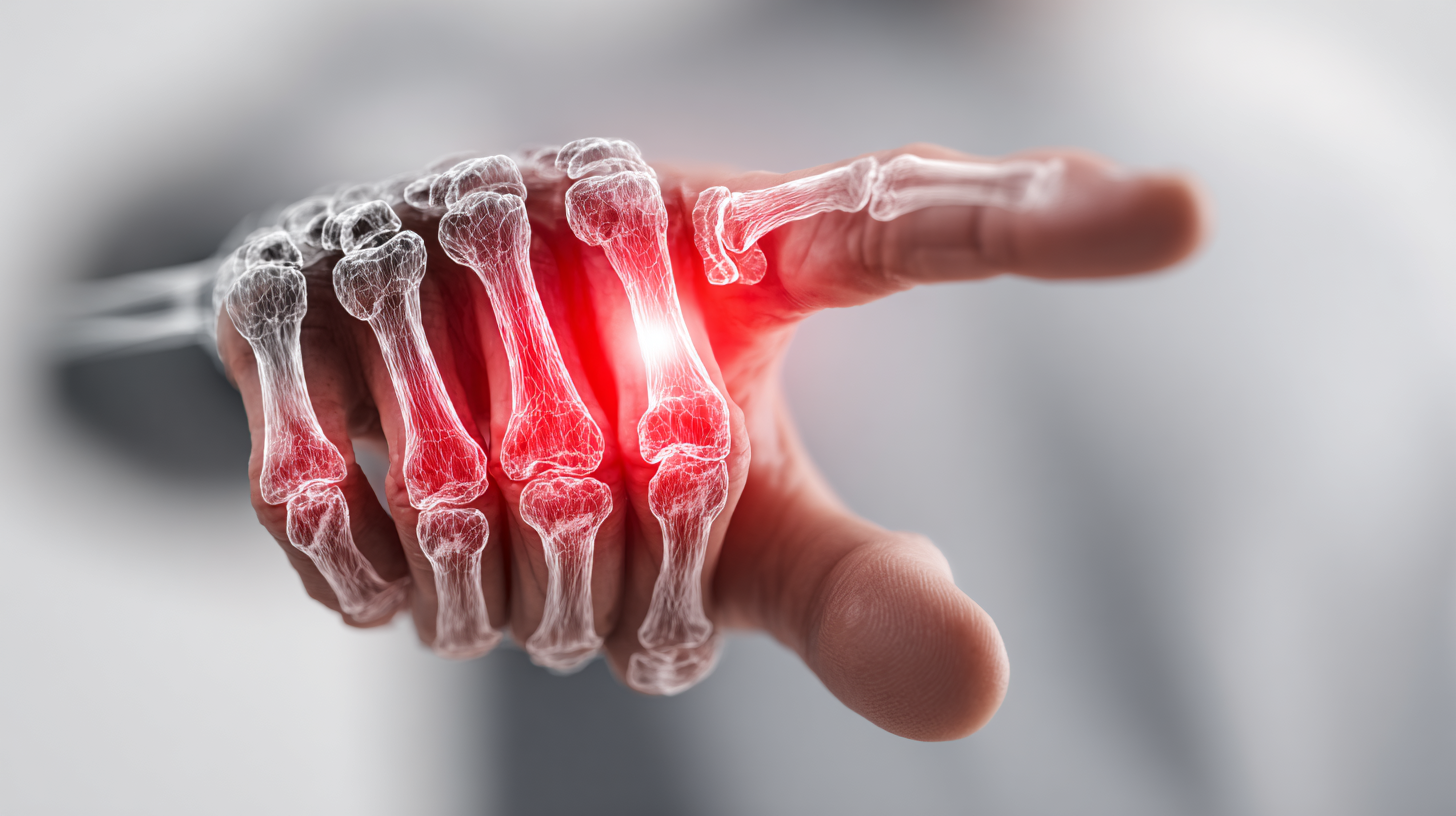
Trigger Finger
If your finger locks up or makes a clicking sound when you try to straighten it, you might have trigger finger. It's that annoying condition where your finger gets "stuck" in a bent position and then suddenly pops straight—kind of like pulling a trigger. It happens when the tendon in your finger gets inflamed and can't glide smoothly anymore. The good news? There are plenty of treatment options, from simple exercises to more advanced therapies, that can get your finger moving freely again.
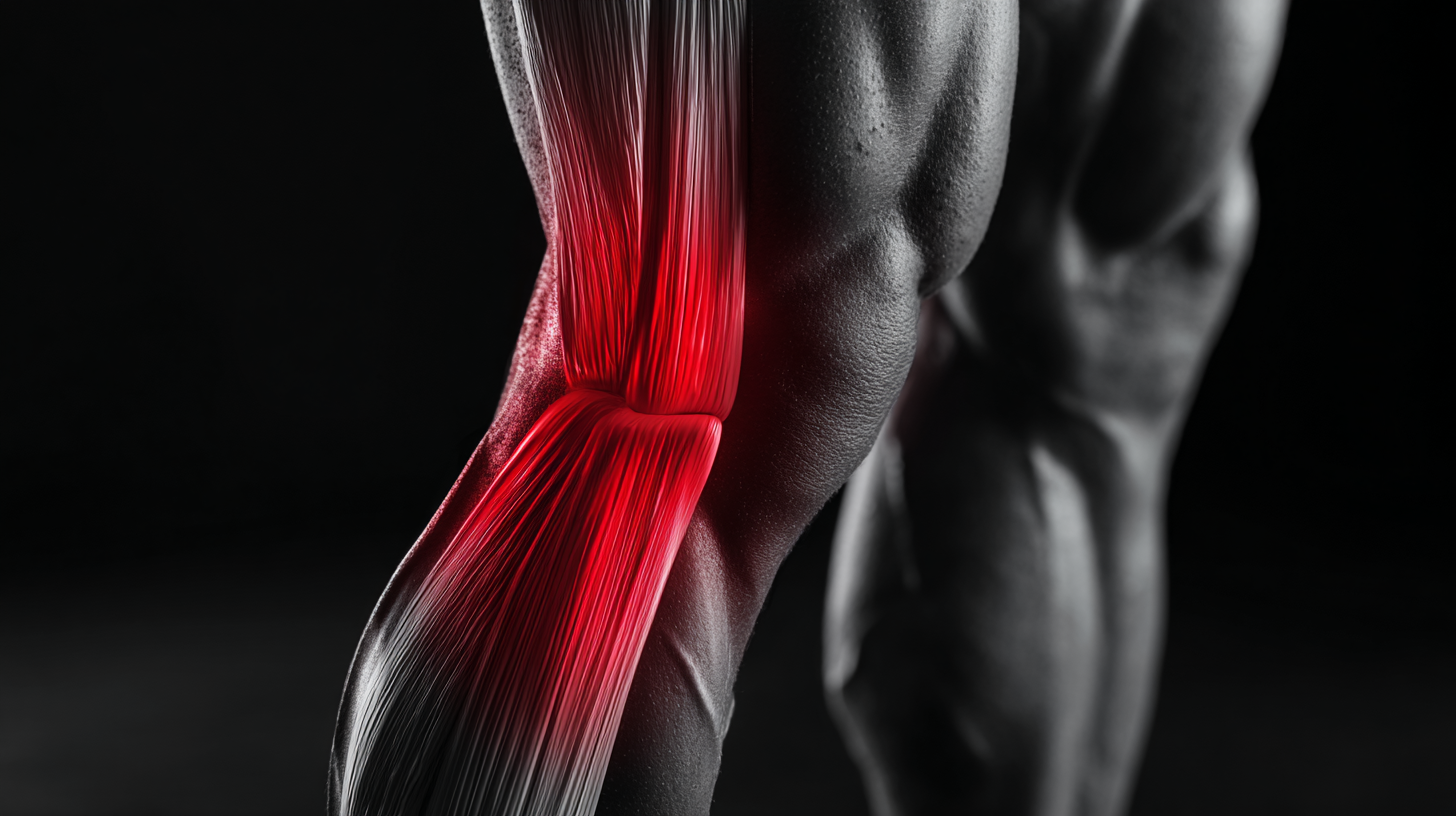
Hamstring Strain
In the clinic, we see it constantly: an athlete suffers a sharp hamstring "pull" during a sprint, rests for a week, and returns to play the moment the pain subsides—only for the muscle to ping again.
The reality of hamstring strains is that while they often heal quickly in terms of daily pain, they rarely regain their optimal strength or length without specific, targeted loading. This gap between "pain-free" and "game-ready" is where most re-injuries happen. In fact, the single biggest risk factor for a future tear is an improperly rehabilitated previous one.

Calf Muscle Strain
Sudden pain during a sprint? You’ve likely experienced a calf strain. While "pulling a muscle" is common, the real challenge lies in the recovery. Most calf injuries are never rehabilitated to their optimal level, leaving you vulnerable to future setbacks. Learn the mechanics of a calf tear and the essential steps to ensure your first injury is your last.

Wrist Fractures Treatment Exercises
Occasionally after having a hand or wrist injury you might find your fingers become stiff. The tendon gliding exercises below are designed to help reduce stiffness and improve your hand function to return to normal activities.
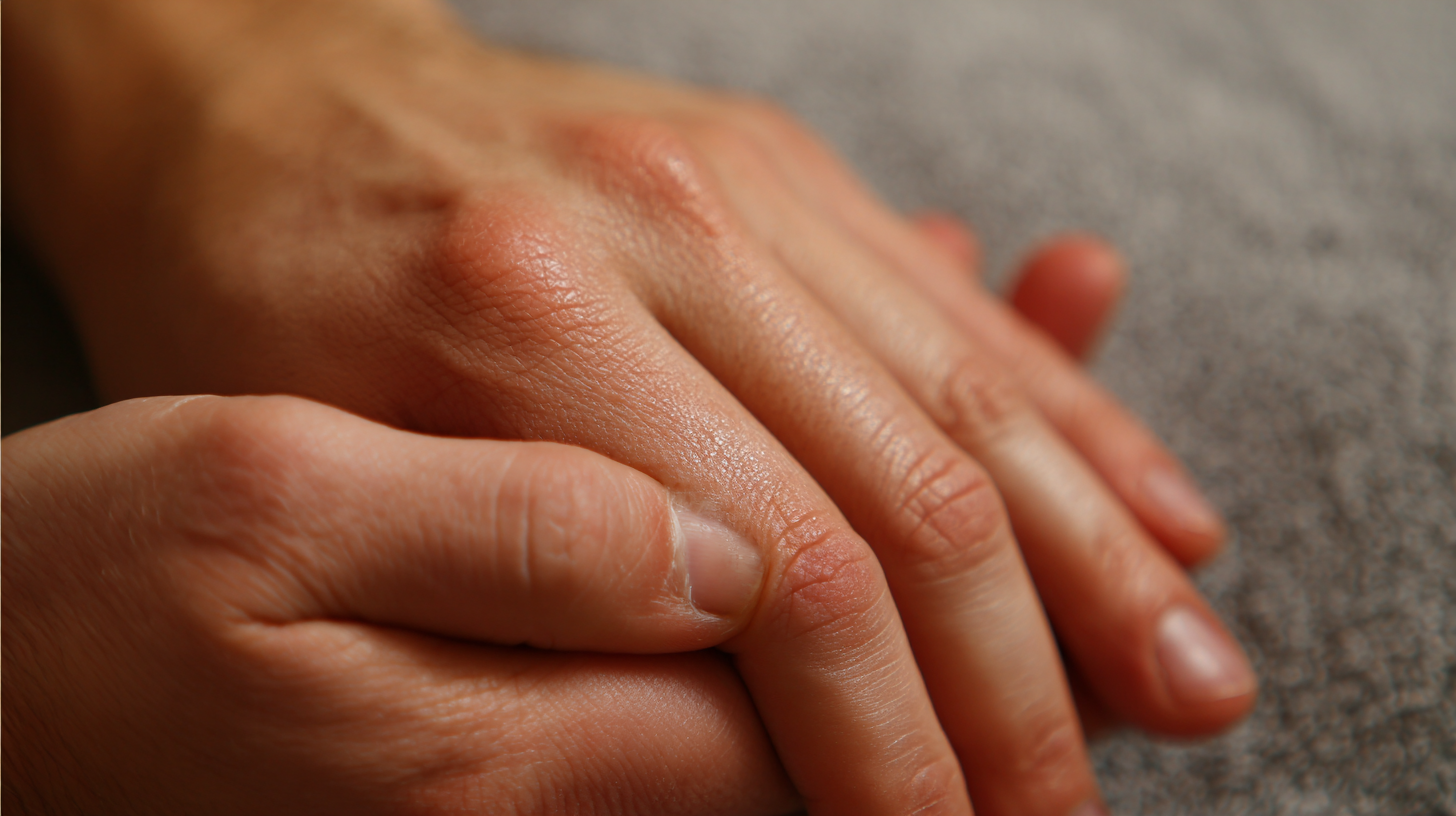
OA Thumb Exercises
Exercise is one of the first lines in management in a thumb joint with normal age related changes. It is key to ensure you continue to function well by maintaining strength, range of movement, fitness and joint health with increasing evidence showing that exercise can protect the joint from further changes.
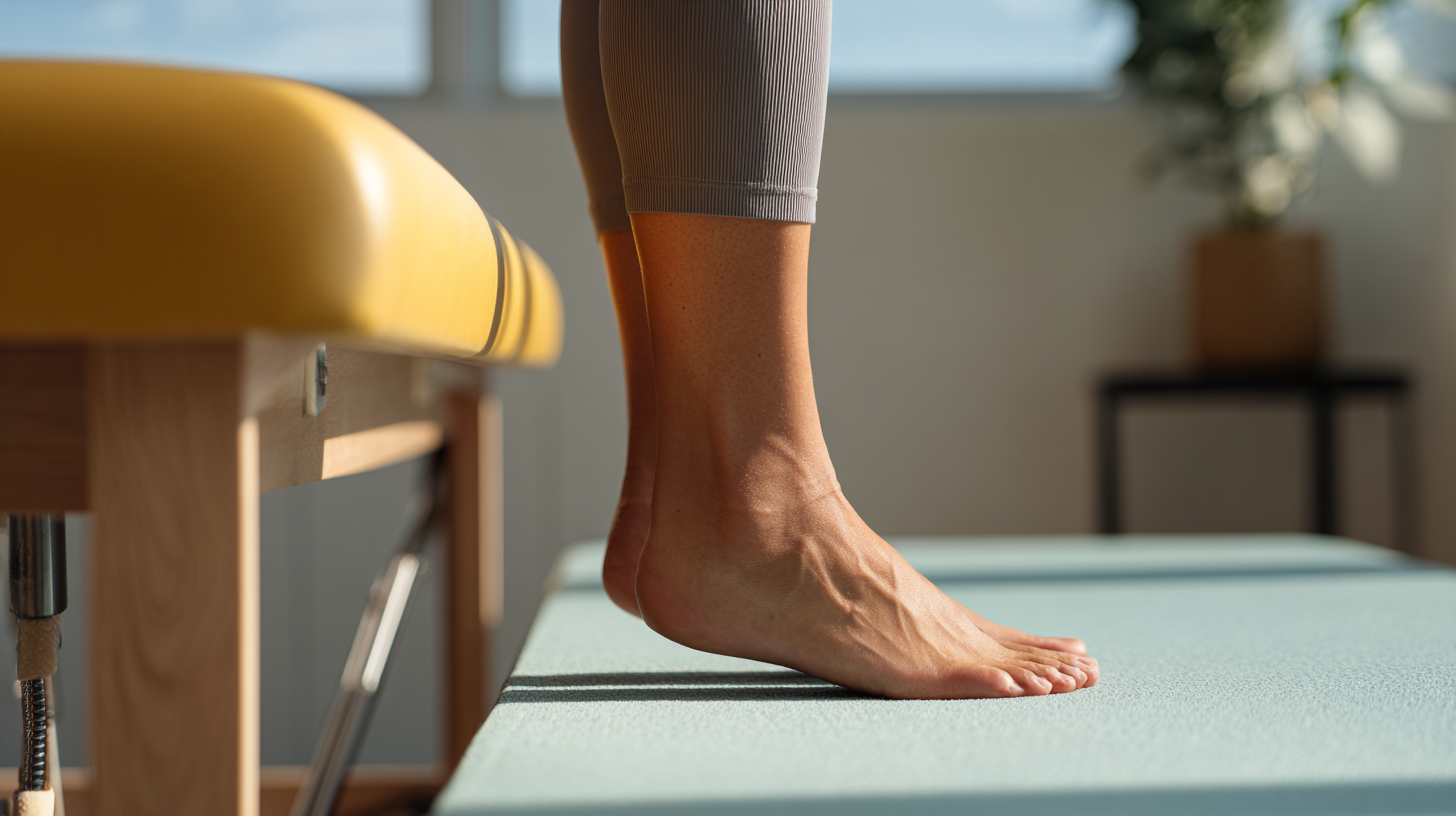
PTTD Treatment Exercises
Recovery from PTTD takes time and consistency — there are no quick fixes, but with the right exercises and support, most people notice real progress within a few months.
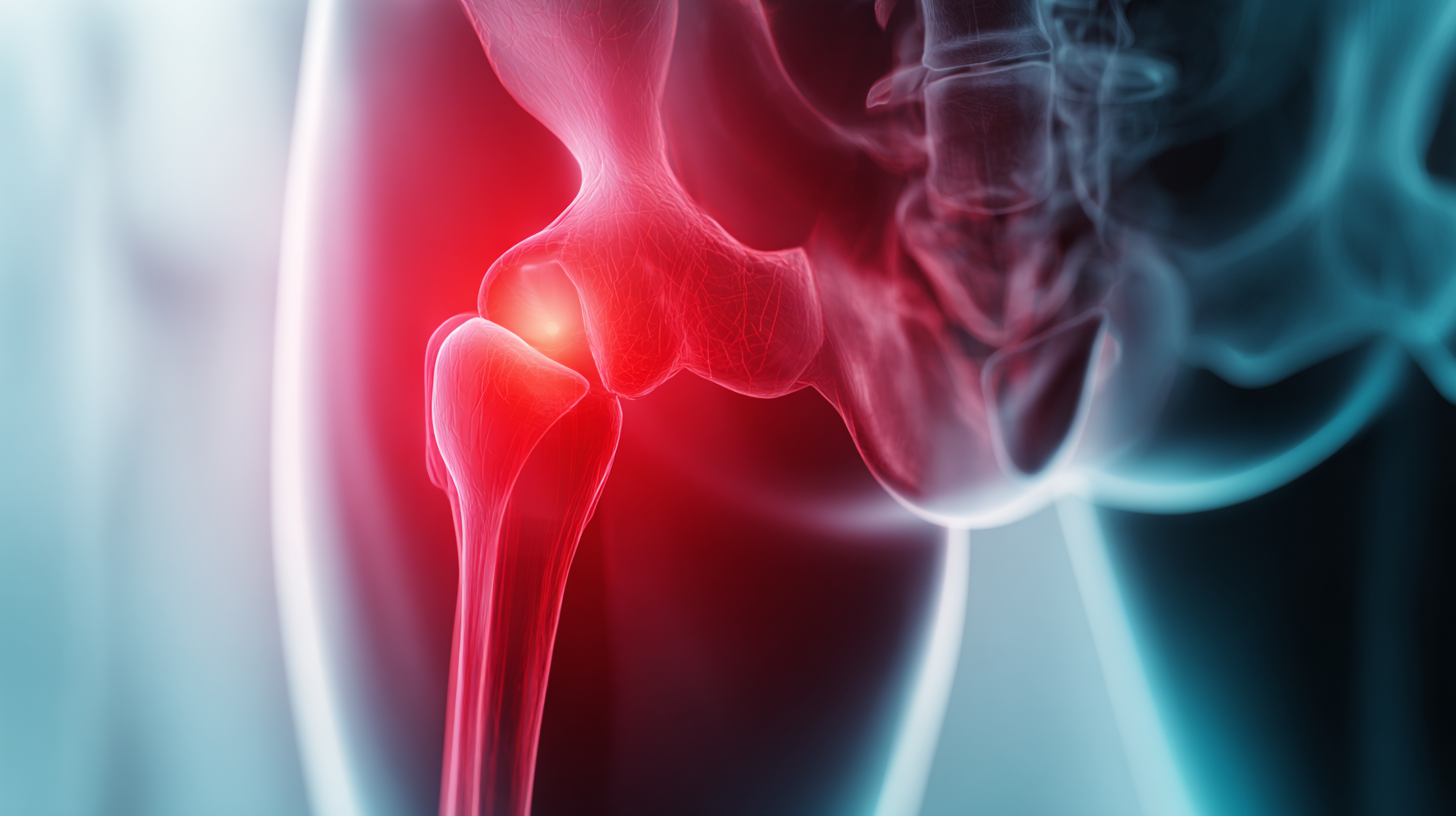
Femoroacetabular Impingement (FAI) Exercises
If you're active, hip pain and stiffness might be caused by Femoroacetabular Impingement (FAI), where the hip bones (the ball and socket) rub together. This simple guide explains why this happens (from Cam or Pincer bone bumps), what symptoms to look for, and the best way to get better. We give you a clear, step-by-step physiotherapy plan and exercises to strengthen your hip and get you moving without pain again.

Hip Osteoarthritis Exercises
Ready to take control of your Hip Osteoarthritis treatment? This isn't just a list of movements—it's your Level 3 roadmap to stronger muscles, better stability, and less pain. We've compiled the most effective exercises (like the High Step-Up and Single Leg Bridge) and the essential stretches (hello, glute and hip flexor relief!) designed specifically to improve hip function.