
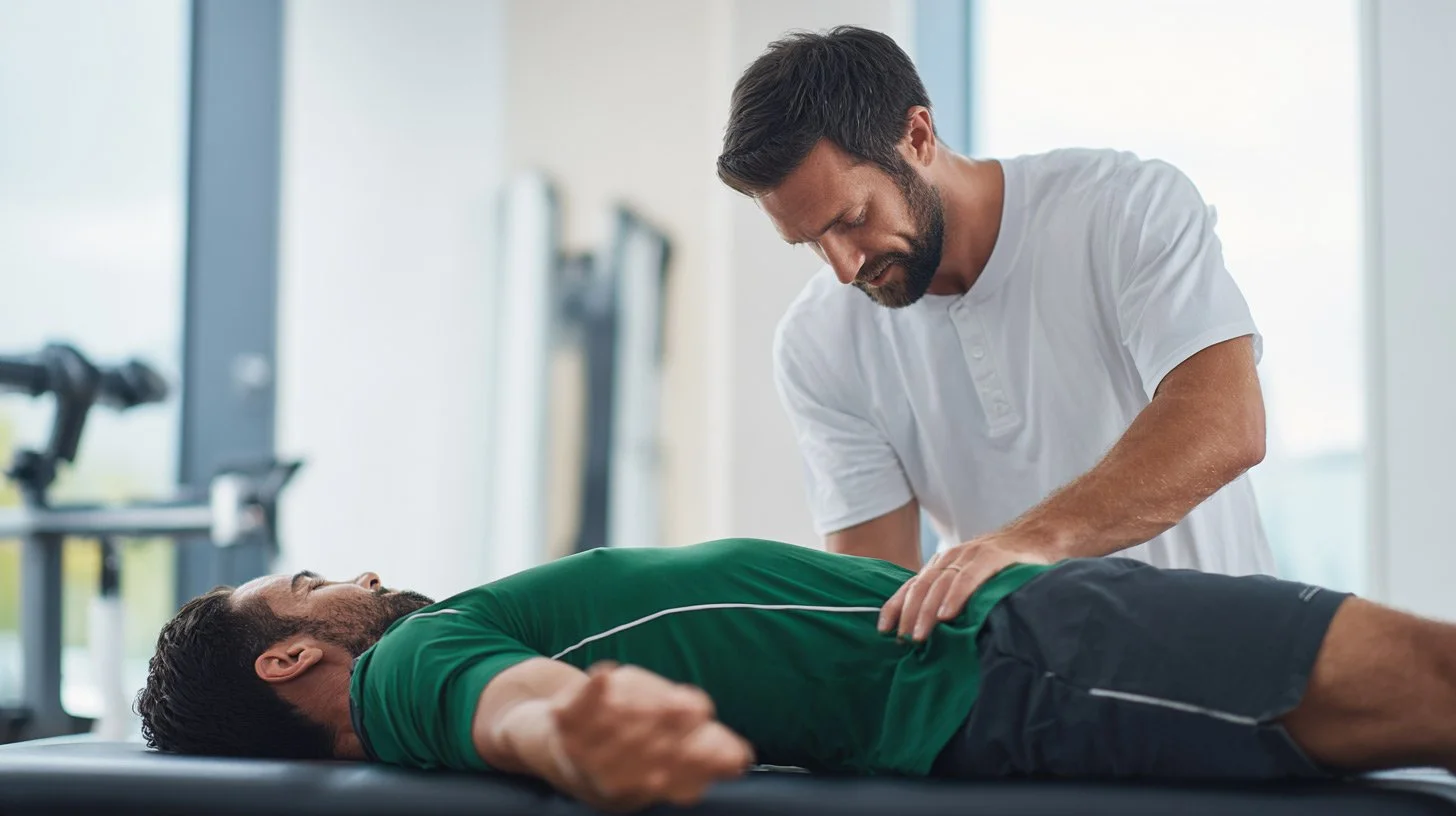
Pelvic Health Support
Starts Here
Pelvic symptoms are your body asking for attention, not something to push through or be embarrassed about.
What's Behind Your Pelvic Pain?
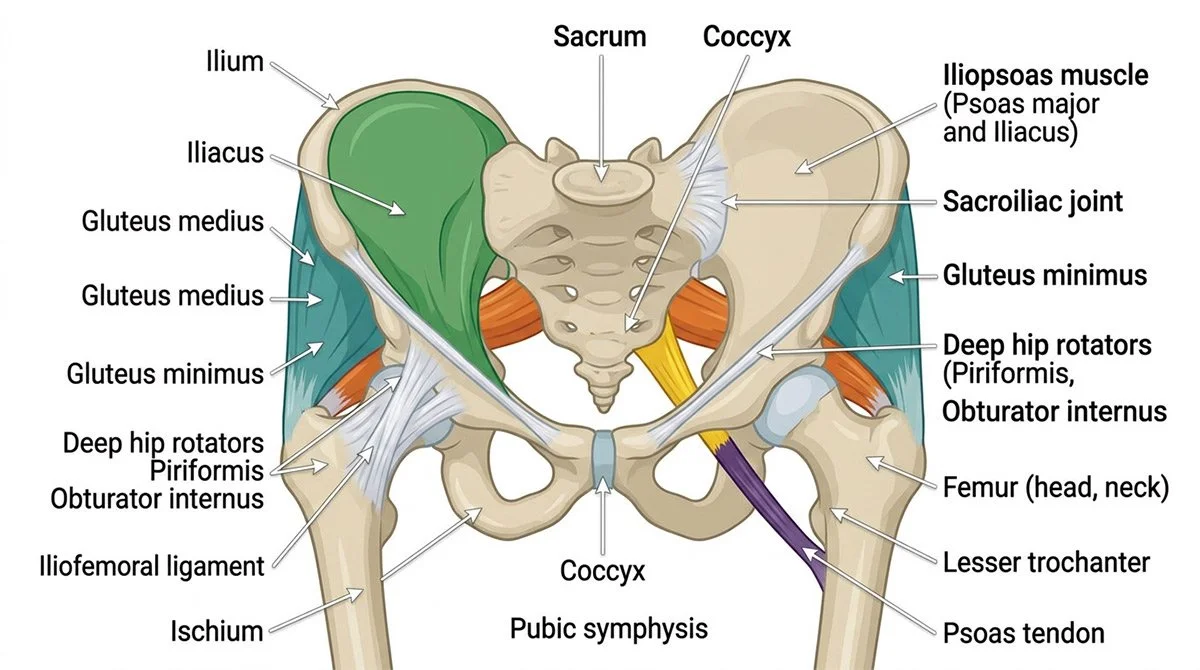
Pelvic injuries in sport are more common than most athletes realise — and more often than not, they are either pushed through or misdiagnosed entirely. The pelvis is the powerhouse of athletic movement, transferring force between the lower limbs and the trunk in virtually every sport. When pain develops in this region, it can affect your speed, your ability to change direction, your power output, and your capacity to train consistently. Below are some of the most common sports-related pelvic conditions our physiotherapists treat.
-
Groin pain in athletes is one of the most complex and frequently mismanaged injuries in sport. It is an umbrella term that covers a range of structures including the adductor muscles, the hip flexors, the pubic symphysis, and the inguinal region — and in many cases more than one structure is involved simultaneously. Getting an accurate diagnosis early is critical, as the wrong treatment approach can significantly prolong recovery. Physiotherapy is the cornerstone of management for the vast majority of athletic groin injuries.
-
The adductor muscles run along the inner thigh and attach to the pubic bone, playing a vital role in stabilising the pelvis and controlling leg movement during running, kicking, and cutting. A strain — ranging from mild to a full tear — typically occurs during a sudden change of direction, a forceful kick, or a sprinting effort. Pain is felt on the inner thigh or at the groin, and can range from a sharp onset injury to a gradual build-up over time in athletes who repeatedly overload the muscle.
-
Despite the name, a sports hernia does not involve an actual hernia. Athletic pubalgia refers to a weakening or tear of the soft tissue in the lower abdominal wall, typically at its attachment to the pubic bone. It is particularly common in sports involving explosive twisting, turning, and kicking such as football, hockey, and rugby. The hallmark symptom is deep groin pain that worsens with sport and eases with rest, and it can be a frustrating, persistent injury without proper management.
-
Osteitis pubis is an overuse condition involving inflammation of the pubic symphysis — the joint at the front of the pelvis where the two halves of the pelvis meet. It is common in running, football, and other sports that involve repetitive hip and groin loading, and presents as pain at the front of the pelvis that can radiate into the inner thigh or lower abdomen. It requires a carefully managed return-to-sport programme to resolve fully and prevent recurrence.
-
The hip flexors — primarily the iliopsoas — are among the most heavily loaded muscles in sport, driving the leg forward during running and providing explosive power in jumping and kicking actions. A strain can occur acutely through a sudden powerful contraction or develop gradually through repetitive overuse. Pain is typically felt deep in the front of the hip or groin, and can significantly limit stride length, acceleration, and kicking power if left unmanaged.
-
The sacroiliac joints are the connection points between the base of the spine and the pelvis, and they play a critical role in transmitting force through the body during athletic movement. In sport, these joints can become irritated or dysfunctional through repetitive asymmetrical loading, a fall, or a sudden change in training load. The resulting pain is typically felt deep in the buttock or across the lower back and can be aggravated by running, single-leg activities, and impact sports.
-
Stress fractures of the pelvis — most commonly involving the pubic rami or the sacrum — are overuse injuries that occur when bone is subjected to repeated loading beyond its capacity to recover. They are most frequently seen in distance runners, military personnel, and athletes who have rapidly increased their training volume. The pain is often insidious in onset and may be mistaken for a muscle injury, making early diagnosis and a structured period of load management essential.
-
Spondylolisthesis occurs when one vertebra slips forward over the one below it, which can place stress on the surrounding discs, joints, and nerves. It can cause localised back pain, stiffness, and in some cases nerve symptoms into the legs. It is more common than many people realise and is frequently manageable with physiotherapy, which focuses on stabilising the spine and building the strength needed to support the affected segment.
-
Long hours at a desk, extended time behind the wheel, or habitual movement patterns that place uneven load on the spine can all contribute to postural back pain. Unlike injuries, postural pain tends to develop slowly and is often described as a persistent dull ache or fatigue across the lower or mid back. It is extremely common and highly responsive to physiotherapy, which addresses both the symptoms and the underlying habits driving them.
-
Snapping hip syndrome — also known as coxa saltans — describes an audible or palpable snap, click, or clunk that occurs around the hip and pelvis during movement. It can involve the iliotibial band snapping over the greater trochanter on the outside of the hip, the iliopsoas tendon catching on the front of the hip, or structures within the hip joint itself. While the snapping is often painless, it can become associated with pain and weakness in athletes, particularly those involved in dance, gymnastics, football, and martial arts.
-
The hamstrings attach to the sitting bone — the ischial tuberosity — at the base of the pelvis, and this tendon is a frequent site of overuse injury in sprinters, hurdlers, and football players. Proximal hamstring tendinopathy presents as a deep, aching pain in the buttock that is typically worse at the start of exercise, aggravated by prolonged sitting, and brought on by high-speed running or sustained hip flexion loading. A progressive tendon loading programme is the most effective approach to rehabilitation.
-
High-impact and high-load sport places significant demand on the pelvic floor. In athletes — particularly those involved in running, gymnastics, weightlifting, and contact sport — pelvic floor dysfunction can manifest as leakage during exercise, pelvic heaviness, or pain with impact activities. These symptoms are common but not normal, and should not be accepted as the price of an active lifestyle. Specialist pelvic physiotherapy can restore function and allow athletes to train and compete without limitation.
-
Return to sport following pelvic surgery — including repair of a sports hernia, adductor reconstruction, or hip arthroscopy — requires a structured, phased rehabilitation programme that rebuilds strength, restores movement quality, and prepares the body for the specific demands of your sport. Our physiotherapists will work with your surgical team and your coaching staff to get you back on the field safely and at full capacity.
Pelvis Resources & Treatments
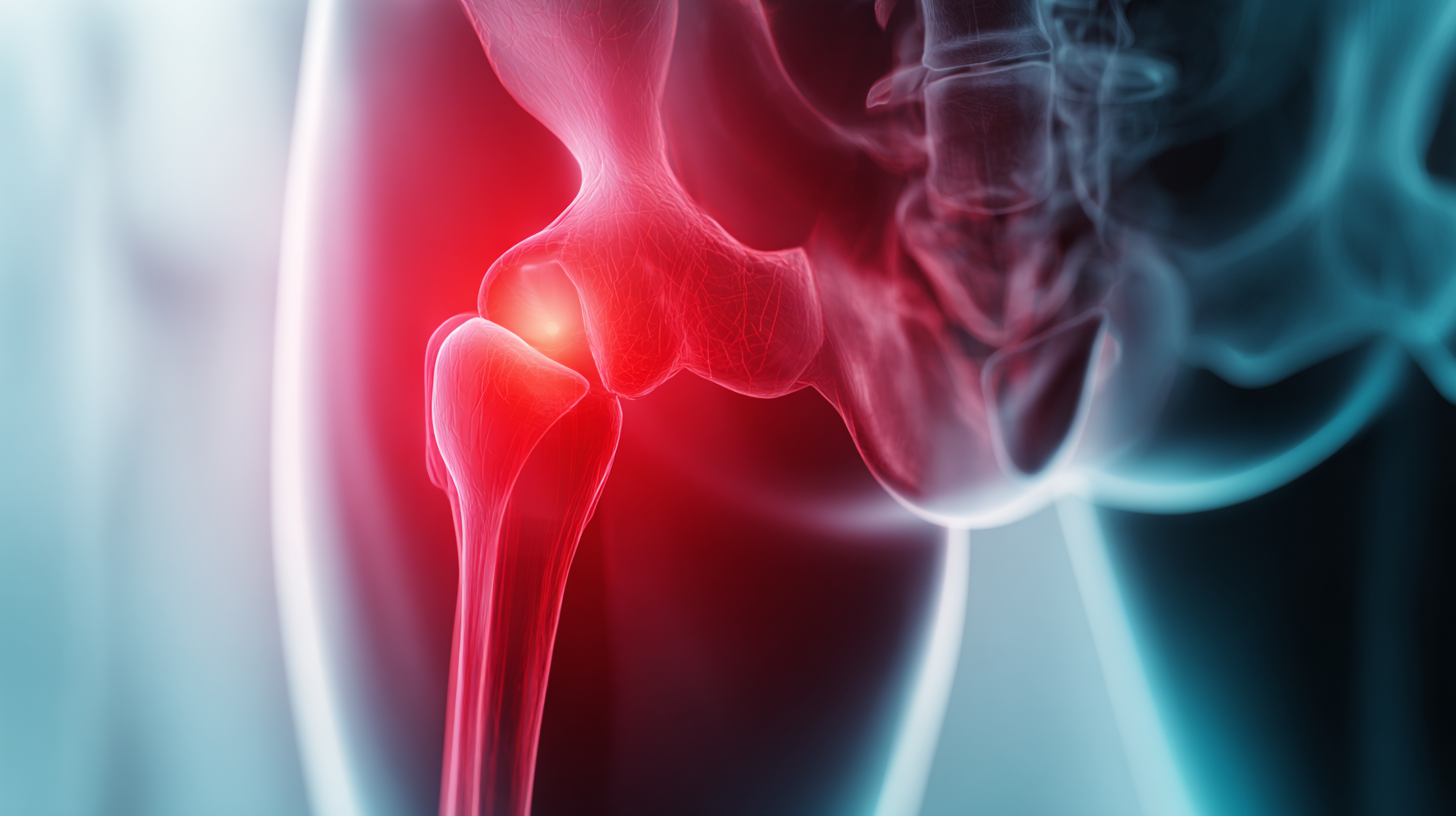
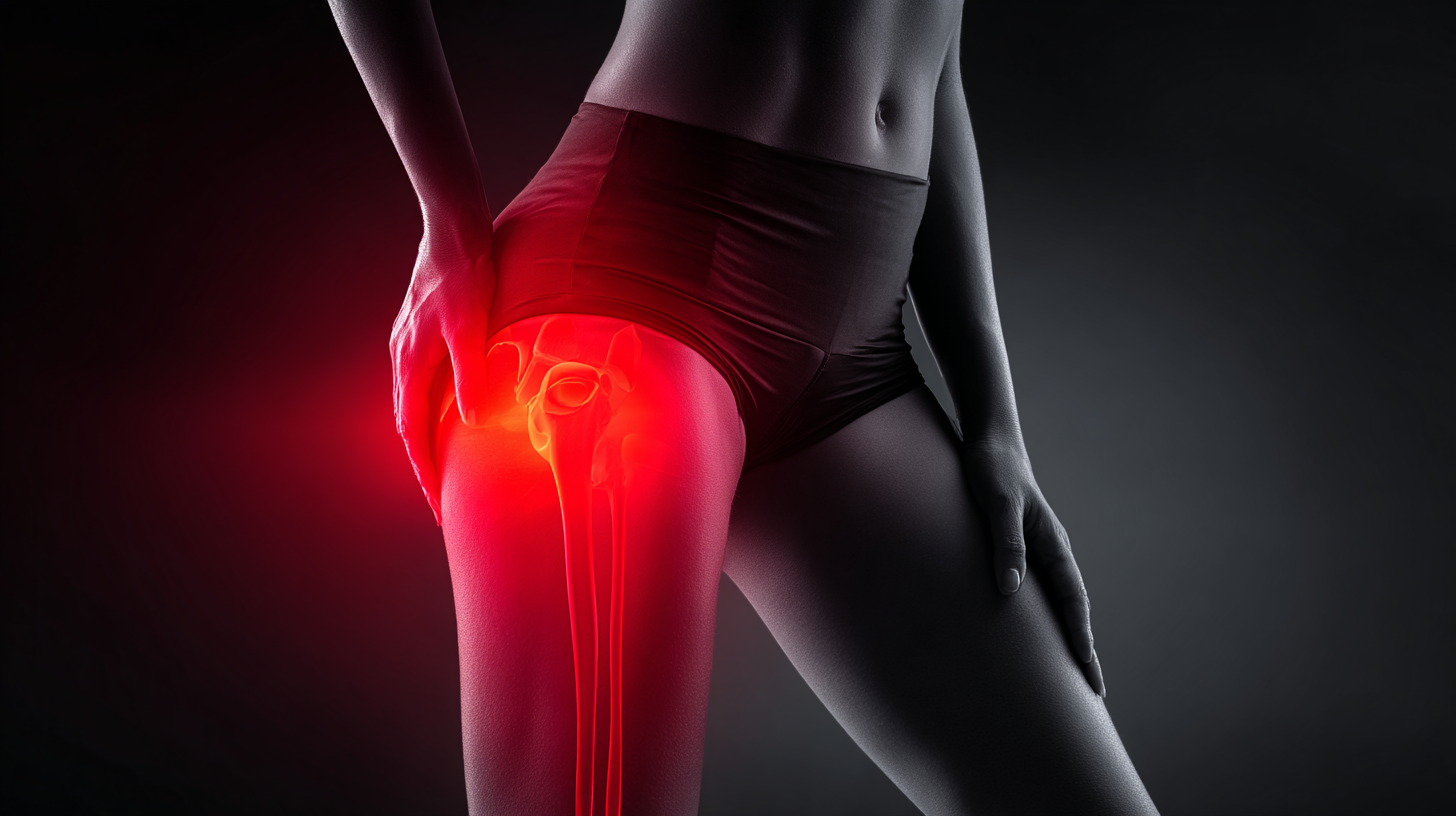

Whether it’s stopping you from running, walking, or even sleeping on your side, hip pain around the outside of your hip isn’t something to ignore. In our latest blog, we break down what Greater Trochanteric Pain Syndrome (GTPS) actually is — why it happens, how to spot the symptoms, and what you can realistically do about it with proven strategies you can start today.