

Living With Back Pain?
Whether your pain came on suddenly or has been building for years, our team will help you understand what's causing it — and what to do about it.
What's Behind Your Back Pain?
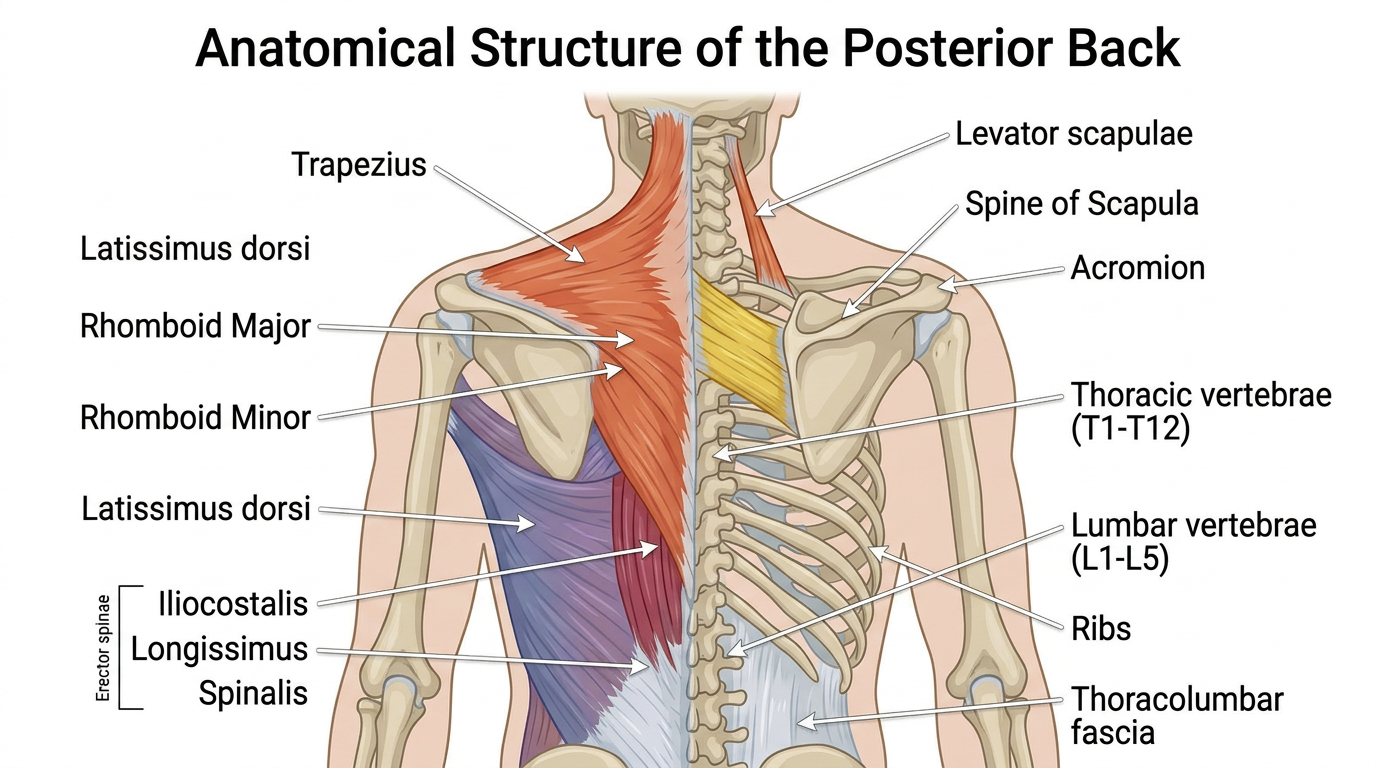
Back pain is one of the most common reasons people seek physiotherapy — and one of the most misunderstood. It can range from a dull, persistent ache to sharp pain that stops you in your tracks, and it can affect everything from your ability to sit at a desk to getting a full night of sleep. The back is a complex structure of bones, discs, joints, muscles, and nerves, and the cause of pain is not always obvious. Below are some of the most common conditions our physiotherapists treat. Click on any condition to learn more about the signs, what to expect from treatment, and the exercises that will support your recovery.
-
One of the most frequent causes of sudden back pain, a lumbar muscle strain occurs when the muscles or tendons of the lower back are overstretched or torn — often through lifting, a sudden awkward movement, or prolonged physical exertion. The pain can be intense and is typically accompanied by muscle spasm and stiffness. Most strains resolve well with early physiotherapy, which helps manage pain, restore movement, and prevent the injury from becoming a recurring issue.
-
Between each vertebra in the spine sits a disc that acts as a cushion and shock absorber. When the soft inner material of one of these discs pushes outward through its outer layer, it can press on nearby nerves and cause pain that travels into the buttock, leg, or foot — a pattern commonly known as sciatica. While a herniated disc can be extremely painful, the majority of cases respond very well to physiotherapy without the need for surgery.
-
Sciatica describes pain that travels along the path of the sciatic nerve, which runs from the lower back through the hips and buttocks and down each leg. It is typically felt as a sharp, burning, or shooting pain on one side, and may be accompanied by numbness, tingling, or weakness in the leg or foot. Sciatica is a symptom rather than a diagnosis — identifying and treating the underlying cause is where physiotherapy makes a real difference.
-
With age and repeated loading, the discs in the lower back can gradually lose height and hydration, reducing their ability to absorb shock and maintain space between the vertebrae. This can lead to chronic low-grade pain, stiffness, and episodes of more intense discomfort following activity. Lumbar degenerative disc disease is a natural part of ageing for many people, but that does not mean you have to live with the pain — physiotherapy is one of the most effective ways to manage symptoms and maintain a full, active life.
-
Spinal stenosis occurs when the canal that houses the spinal cord and nerves gradually narrows, placing pressure on the neural structures within. In the lower back, this often causes pain, heaviness, or cramping in the legs that worsens with walking or standing and eases with sitting or leaning forward. It is most common in people over fifty and, while it cannot be reversed, its symptoms can be significantly improved with targeted physiotherapy and exercise.
-
Osteoarthritis of the lumbar spine develops when the cartilage within the small facet joints of the back breaks down over time, leading to pain, stiffness, and reduced mobility — often worst in the morning or after periods of inactivity. It may also contribute to the development of bone spurs that irritate nearby nerves. Physiotherapy helps reduce pain, improve flexibility, and strengthen the muscles that support the spine, making a meaningful difference to day-to-day comfort and function.
-
The sacroiliac joints connect the base of the spine to the pelvis and play an important role in transferring load between the upper and lower body. When these joints become inflamed, stiff, or move abnormally, they can cause pain in the lower back, buttock, and sometimes the upper leg that is easy to confuse with disc or nerve-related problems. Accurate assessment by a physiotherapist is key to getting the right treatment for this often overlooked condition.
-
Spondylolisthesis occurs when one vertebra slips forward over the one below it, which can place stress on the surrounding discs, joints, and nerves. It can cause localised back pain, stiffness, and in some cases nerve symptoms into the legs. It is more common than many people realise and is frequently manageable with physiotherapy, which focuses on stabilising the spine and building the strength needed to support the affected segment.
-
Long hours at a desk, extended time behind the wheel, or habitual movement patterns that place uneven load on the spine can all contribute to postural back pain. Unlike injuries, postural pain tends to develop slowly and is often described as a persistent dull ache or fatigue across the lower or mid back. It is extremely common and highly responsive to physiotherapy, which addresses both the symptoms and the underlying habits driving them.
-
Tension and dysfunction in the thoracic spine and the muscles of the upper back can refer pain upward into the neck and head, contributing to headaches that are often mistaken for tension headaches or migraines. Addressing the thoracic spine through manual therapy and targeted exercise can significantly reduce the frequency and severity of these headaches.
-
Recovery after spinal surgery — including discectomy, spinal fusion, or decompression procedures — demands a thoughtful, progressive rehabilitation approach. Our physiotherapists work in partnership with your surgical team to guide you safely through each stage of recovery, restoring strength, stability, and movement so you can return to daily life with confidence.
Knowing what’s wrong is only half the battle. This article walks you through simple, effective recovery exercises for mechanical low back pain, explaining what to do, why it works, and how to progress without making things worse.