
A combination drill pairing a wall ball press for glute activation with a single-leg squat for strength and motor control. Builds hip stability and lower-body strength together in one progression.
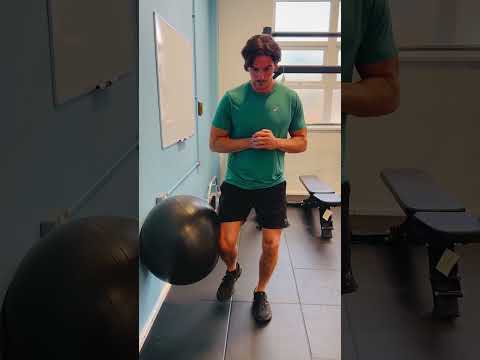
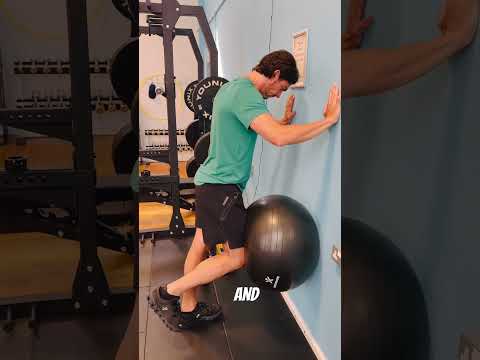
A hip drill performed by pressing a ball against a wall with the leg, activating the glutes isometrically. Builds glute strength and control, useful for hip arthritis and impingement rehab.
An isometric hold in a high hip-flexion position, targeting the hip flexors and psoas without dynamic movement. Builds hip flexor strength and control, useful for sprinting- and kicking-related rehab.

A hip flexion exercise performed from an elevated, or deficit, position to increase the range-of-motion challenge. Strengthens the hip flexors and psoas through a fuller range of motion.

A lateral banded walk that keeps continuous tension on the hip abductors as you step side to side. Builds glute medius strength and activation, commonly used to support hip and knee alignment.

A hip abduction hold performed lying flat with the legs straight, targeting the glute medius isometrically. Builds hip stability strength from a low-irritability starting position.

An isometric hip abduction hold performed with the knees bent, targeting the glute medius without dynamic movement. Builds gentle glute activation, suitable for early-stage hip rehab.

A gentle isometric adductor squeeze performed lying flat, ideal as an early-stage groin strengthening exercise. Builds adductor activation and control with minimal joint stress.
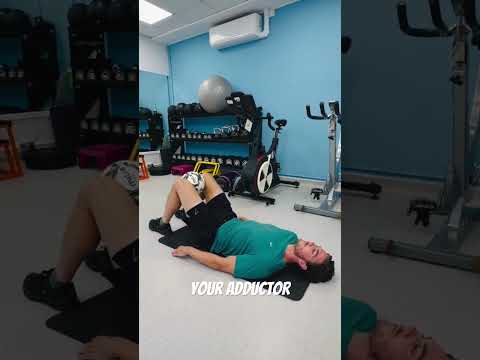
A hip adduction exercise performed lying on the back with the knees bent, squeezing a ball or pad between the knees. Isolates the adductors to build groin strength and control.

A hip adduction squeeze performed while holding a bridge, combining hamstring and adductor activation. Builds groin, adductor, and hamstring strength together for return-to-sport rehab.

A hip adduction exercise performed in a deadbug-style position, squeezing the legs together against resistance. Targets the adductors and groin while requiring the core to stay stable, useful for groin injury rehab.

A reduced-load side plank performed from the knees, making the hold more accessible in earlier rehab stages. Builds glute medius and lateral core strength while easing hip loading.

A standard side plank hold on the forearm, keeping the hips lifted and the body in a straight line. Builds lateral core strength and glute medius activation for hip stability.

A side plank variation where the top leg drives forward and back in a running-style motion. Challenges glute and hip stability dynamically while the trunk holds a stable side-plank position.

A side plank with an added top-leg lift, combining core stability with active hip abduction. Strengthens the glute medius and lateral hip stabilizers while maintaining core control.

A regressed version of the Copenhagen plank with the top knee bent, reducing the lever arm on the adductors. Builds adductor and groin strength at a more manageable intensity than the long-lever version.

The long-lever Copenhagen plank, a side-plank variation with the top leg supported on a bench to load the adductors. Builds groin and adductor strength and is widely used to prevent and rehab groin injuries.

A modified plank performed from the knees with an added leg extension, reducing load while still challenging core and hip flexor control. Targets the hip flexors and psoas alongside deep core activation, ideal for earlier-stage rehab.

A lunge performed using a step to build single-leg strength and control. Lowering under control with the knee tracking over the foot loads the quads and glutes. A foundation lower-limb strengthening exercise.

A single-leg balance exercise with added head turns to challenge stability further. Turning the head disrupts the balance system, forcing the ankle and hip to work harder to stay steady. A useful progression once basic single-leg balance is comfortable.

A banded forward-and-back walking drill in a half-squat to activate the glutes and lateral hip. Keeping tension on the band with the knees pushed out switches on the muscles that stabilise the hip and knee. A popular warm-up and activation exercise for the lower limb.

A single-leg balance exercise performed on a Bosu or wobble cushion to increase the challenge. Controlling the wobble trains the ankle, hip and balance system together. Can be progressed with head turns or eyes closed for an added demand.

A squat performed on a Bosu or wobble surface to challenge balance and control. Managing the unstable base recruits the stabilising muscles around the ankle and knee while strengthening the legs. A progression that adds a balance element to the basic squat.

A lunge performed with a foot on a Bosu or other unstable surface to add a balance challenge. Controlling the wobble while lunging builds single-leg strength alongside ankle and knee stability. A mid-stage exercise combining strength with balance training.

An educational video, not an exercise, in which a specialist physiotherapist explains why exercise and an active approach help in Greater Trochanteric Pain Syndrome (GTPS), and the thinking behind the exercise programme. Useful context and motivation for patients getting started.

An educational video, not an exercise, in which an orthopaedic consultant explains what Greater Trochanteric Pain Syndrome (GTPS) is, including its causes and what it means for the outer hip. It gives a clear understanding of the diagnosis. Helpful background for anyone new to the condition.

An educational video, not an exercise, in which a dietician explains how healthy eating and good nutrition can support people managing Greater Trochanteric Pain Syndrome (GTPS). It sets out why diet matters alongside activity and rehab. Useful context to complement the exercise programme.

An educational talk, not an exercise, in which a pain specialist physiotherapist discusses how to manage pain in Greater Trochanteric Pain Syndrome (GTPS), a common cause of pain over the outer hip. It covers practical approaches to settling symptoms and living with the condition. Helpful background to support the exercise side of a GTPS programme.

A gentle knee-to-chest mobility movement that eases and decompresses the lower back while stretching the buttock. Drawing one or both knees toward the chest opens up the lumbar spine and helps relieve stiffness and tension. A soothing early-stage drill often used at the start or end of a lower-back programme.


An RDL performed with a kettlebell to load the posterior chain.


A deadlift using a hex (trap) bar, which is often easier on the lower back.


A mountain-climber style drive to strengthen the hip flexors with the core engaged.


A squat holding a single weight at the chest, encouraging good depth and posture.


A guided single-leg hinge using the Smith machine for added stability.

A single-leg hip hinge with a kettlebell that also challenges balance.


A seated hold that activates the hip flexors without movement.

A lateral stepping drill, often banded, to switch on the lateral hip muscles.


A stationary split-stance squat with dumbbells to build single-leg strength.


A backward-stepping lunge with dumbbells to load each leg with good control.

A maximal horizontal jump for developing lower-limb power and landing control.

An explosive split-stance jump alternating legs to build single-leg power.


A back squat to a box that controls depth and teaches a confident sit-back.

A barbell squat with the load racked at the front to load the quads and trunk upright.

A foundational barbell lift for building posterior-chain strength from the floor.
This movement allows for unilateral strengthening of the quadriceps, glutes, and hamstrings while the back is supported. By using one leg at a time, you can effectively identify and correct strength imbalances between your left and right sides. Focus on keeping your knee tracked directly over your mid-foot (avoiding internal collapse) and maintain a flat lower back against the pad throughout the entire range of motion to ensure the force is driven through the hip and leg.

An anti-rotation drill that forces the core and hips to resist twisting. By pressing a band or cable straight out from the chest, you train the obliques and glutes to stabilize the spine. Keep your feet rooted and glutes squeezed to prevent the torso from rotating toward the anchor point.
A lunge variation that targets the glute medius and adductors. By stepping one foot behind and across the other, you challenge hip stability in a rotational plane. Keep your front knee tracked over your toes and your torso upright to maximize glute loading and improve lateral hip control.

A functional movement targeting the lateral glutes and VMO. By crossing the outside leg over to a box, you emphasize hip adduction and stability under load. Focus on driving through the heel of the elevated foot and controlling the descent to build better knee tracking and hip power.

This lunge variation uses an unstable surface, like a foam pad or suspension trainer, to challenge the stabilizers of the hip, knee, and ankle. It forces the glute medius to work harder to maintain alignment. Focus on slow, controlled repetitions to ensure the front knee does not cave inward during the movement.

Performing a goblet squat on a BOSU or foam pad increases demand on the deep hip stabilizers and core. Holding the weight at chest height acts as a counterbalance, allowing for a deeper squat. Focus on spreading the floor with your feet to maintain balance and prevent the knees from collapsing.

This exercise places the rear foot on a bench to isolate the front leg. It provides a deep stretch to the rear hip flexor while building significant strength in the glute and quad of the lead leg. Keep your front shin relatively vertical and your core tight to avoid excessive arching in the lower back.
Widely considered the best exercise for glute hypertrophy. By placing the upper back on a bench and driving the hips upward against resistance, you maximize tension on the gluteus maximus at short muscle lengths. Focus on keeping the chin tucked and ribs down to ensure the movement comes from the hips rather than the lower back.
A compound movement that builds strength in the quads, glutes, and hamstrings. By using a machine, you can move heavier loads with a stable spine. Ensure your feet are shoulder-width apart and avoid locking your knees at the top. Keep your tailbone pressed firmly against the seat to protect your lower back.
The ultimate test of posterior chain strength. This movement involves lifting a barbell from the floor to a standing position by hinging at the hips. Focus on keeping the bar close to your shins, maintaining a neutral spine, and driving through the floor with your legs to engage the glutes and hamstrings.
The hex bar allows for a more upright torso, reducing shear stress on the lower back compared to a straight bar. It distributes the load more evenly between the quads and the posterior chain. Focus on sitting the hips back and driving through the mid-foot to stand, keeping your chest up throughout the lift.

Adding dumbbells or a barbell to a standard lunge increases the demand on the glutes and quads. This variation builds unilateral strength and improves pelvic stability under load. Focus on maintaining a tall posture and ensuring your front knee stays aligned with your middle toe as you descend.
A fundamental strength movement where a barbell is supported on the upper back. It targets the entire lower body, including the quads, glutes, and hamstrings. Maintaining a neutral spine and driving the knees out are key to proper hip mechanics. Ensure your weight is distributed across the mid-foot to maintain balance.
This variation uses a fixed track to provide extra stability, allowing you to focus purely on leg drive. By placing your feet slightly forward, you can maintain a more upright torso and shift more tension onto the quadriceps while reducing lower back strain. Ensure the bar rests on your traps, and use the safety stoppers to train safely near failure without a spotter.

A dynamic core and cardiovascular exercise performed from a plank position. By driving your knees toward your chest in a running motion, you engage the abdominals and hip flexors while building shoulder stability. Focus on keeping your hips level and your shoulders stacked over your wrists to maintain tension throughout the movement.

A rotational core exercise that targets the obliques and transverse abdominis. Sitting with your knees bent and feet elevated, you rotate your torso from side to side. Focus on moving your shoulders as a unit rather than just reaching with your arms to ensure the core muscles are doing the work. Keep your spine long and avoid rounding your back.

A core exercise that emphasizes the lower abdominals and hip flexors. While lying on your back, you slowly lower your legs toward the floor and lift them back up. The key is to keep your lower back pressed firmly into the ground to ensure your core, not your spine, is managing the load.

A stabilising exercise where the body is supported by one hand and the side of the foot. It targets the obliques, transverse abdominis, and shoulder stabilisers. Keep your hips lifted in a straight line from head to heels. Ensure your supporting hand is directly under your shoulder and your core is tight to prevent rotation or sagging.

This variation uses an isometric cue to maximize shoulder and upper back engagement. While in a standard plank, imagine trying to tear the floor in half by pushing your hands or elbows outward without actually moving them. This tension activates the posterior deltoids and scapular stabilizers, creating a more robust "pillar" of stability throughout your entire torso.

A core stability movement that teaches you to move your limbs while keeping your spine neutral. By extending the opposite arm and leg while lying on your back, you challenge the abs to prevent the lower back from arching. Focus on slow, rhythmic breathing and keeping your ribcage tucked down toward your pelvis.

This exercise targets the gastrocnemius and soleus muscles by allowing a greater range of motion than floor raises. By hanging your heels off the edge of a step, you can lower them below neutral to stretch the calf and Achilles tendon before driving upward. Focus on a controlled descent to improve ankle mobility and build explosive power for walking and running.

Standing tall, take a large step forwards with your injured leg and bend that knee until the opposite knee is approximately 5cm above the ground, then extend through the hip and knee to return to the starting position. Remember to keep your back straight throughout the movement

Stand facing a step of appropriate height. Put your injured leg on the step and step up by extending through your hip and knee, bringing the other leg through at a right angle. Keep the movement controlled as possible with your knee tracking over your second toe

With the band around your knees/thigh assume a quarter squat position. Take medium size strides to the side and back again keeping tension on the band throughout for 10 steps and then change to opposite direction.

Lying on your back with your knees bent (operated side back further than the other), squeeze your bottom muscles and tighten your stomach muscles. Lift your bottom off the bed until there is a straight line between your shoulders and knees. To add a further challenge, imagine there is a nut between your buttocks which you are trying to crush.

With a band around your knees, select an appropriate weight. Perform a squat as far as you feel comfortable, by sitting back, keeping your knees over your second toes, with your back straight and body weight evenly spread over both feet.
On your hands and knees (4 point kneeling) with a band around your knees. In a controlled manner bring our leg back with your heel towards the sky and turn your knee outwards. Slowly return to starting position and repeat.

This stretch targets the small muscle deep in the buttock that can cause sciatic-like pain when tight. From a seated or lying position, cross one ankle over the opposite knee and gently pull the leg toward the chest. Focus on a deep, steady stretch in the gluteal region to improve hip mobility and relieve pressure on the sciatic nerve.

This stretch targets the inner thigh muscles. Stand with a wide stance and shift your weight to one side, bending that knee while keeping the other leg straight. You should feel a pull along the inner thigh of the straight leg. Keep your chest up and hips back to deepen the stretch.

Focuses on the back of the thighs. From a standing or seated position, hinge at the hips with a flat back, reaching toward your toes. Keep a slight bend in the knees to protect the joints and ensure the stretch remains in the muscle belly. Hold for 30 seconds to improve flexibility and lower back health.

Stand on one leg, grab your opposite ankle, and pull your heel toward your glutes. Keep your knees together and tuck your pelvis to deepen the stretch in the front of the thigh. This improves hip mobility and knee health.

Lie on your back at the edge of a bench or bed, pulling one knee to your chest while letting the other leg hang freely. This position uses gravity to stretch the iliopsoas and rectus femoris. Ensure your lower back remains flat against the surface to isolate the hip flexors and prevent lumbar arching.

This stretch targets the iliopsoas and rectus femoris. Kneel on one knee with the other foot flat in front. Tuck your pelvis and shift your weight forward until you feel a pull in the front of your hip. Keep your torso upright to maximise the stretch.

With a band around your knees, knees shoulder width apart and feet out from the wall. Slide down as far as you feel comfortable. Focus on keeping your knees over your second toe. As this becomes easier you can hold a weight in both hands to make it more difficult.

Lying on your back with your knees bent, with a band around your knees, squeeze your bottom muscles and tighten your stomach muscles. Keep your feet flat, dig your heels into the floor, this will increase the activity in your hamstrings. Lift your bottom off the bed until there is a straight line between your shoulders and knees, to add a further challenge, imagine there is a nut between your buttocks which you are trying to crush.
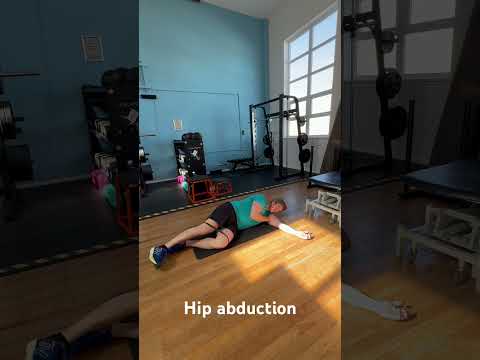
In side lying, have your bottom knee bent to 90° and the top leg straight, with the band around both knees. Lift your top leg up and back without rotating your pelvis or spine.

In side lying with your knees bent to 90°, in line with hips and a band around both knees. Raise the top knee away from the bottom knee without rotating at your pelvis or spine.

In sitting push up onto your tip toes activating the calf muscles hold for 10 seconds, repeat 10 times.

In lying with a rolled up towel (or something firm), push your knee down and extend your leg activating the quad muscles (the big muscle at the front of your thigh).
Hold for 10 seconds, repeat 10 times.
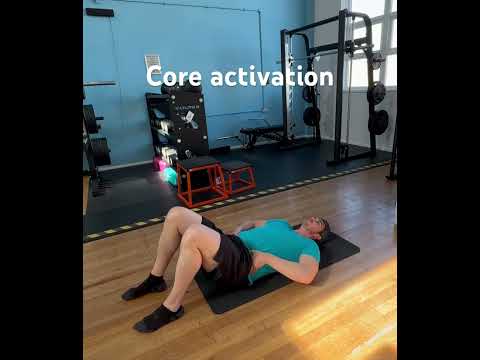
In lying with your knees bent, gently squeeze your stomach muscles whilst almost trying to pull your pelvic muscles upwards.
Hold for 10 seconds, repeat 10 times.

In lying gently squeeze your bottom muscles together.
Hold for 10 seconds, repeat 10 times.

In standing, holding onto a stable surface for support, slowly lift your knee behind you and return to starting position.

In standing, holding onto a stable surface for support, slowly lift your leg out to the side and return to starting position.

In standing, holding onto a stable surface for support, slowly lift your knee up to a right angle and return to starting position.
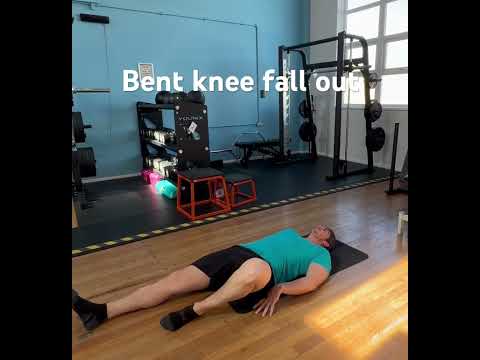
In lying with your knee slightly bent, ensure your tummy is tight, slowly allow your knee to fall out to the side in a controlled fashion and return to the starting position.

Lying on your back slowly slide your heel outwards, in a slow controlled manner and slowly return to starting position. Do this on a slippy surface for ease of movement. e.g. a sock on a wooden floor.

Lying on your back slowly slide your heel towards your bottom, flexing at your hip and return to starting position in a controlled manner. Do this on a slippy surface for ease of movement. e.g. a sock on a wooden floor.

Stand facing a step of appropriate height. Put your injured leg on the step and step up, bringing the other leg through at a right angle. Keep the movement as controlled as possible with your knee tracking over your second toe.
Repeat 10 times, completing 3 sets, build to 15 times and 3 sets
With a band around your knees, select an appropriate weight and hold up to your chin in front of you. Perform a squat as far as you feel comfortable, by sitting back, keeping your knees over your second toes, with your back straight and body weight evenly spread over both feet.
You can make this easier by doing this movement from a chair but on elevation, imagine there is a nut between your buttocks which you are trying to crush.
Repeat 10 times, completing 3 sets, build to 15 times and 3 sets

Lying on your back with your knees bent and band around your knees. Squeeze your bottom muscles and tighten your stomach muscles. Lift your bottom off the bed until there is a straight line between your shoulders and knees.
Keep your knees apart against the resistance of the band. By keeping your feet flat, digging your heels into the floor you will increase the activity in your hamstrings. Then on elevation, imagine there is a nut between your buttocks which you are trying to crush.
Hold for 5 – 10 seconds, repeat 5 times, 3 sets
