
Hip Dysplasia Phase 2
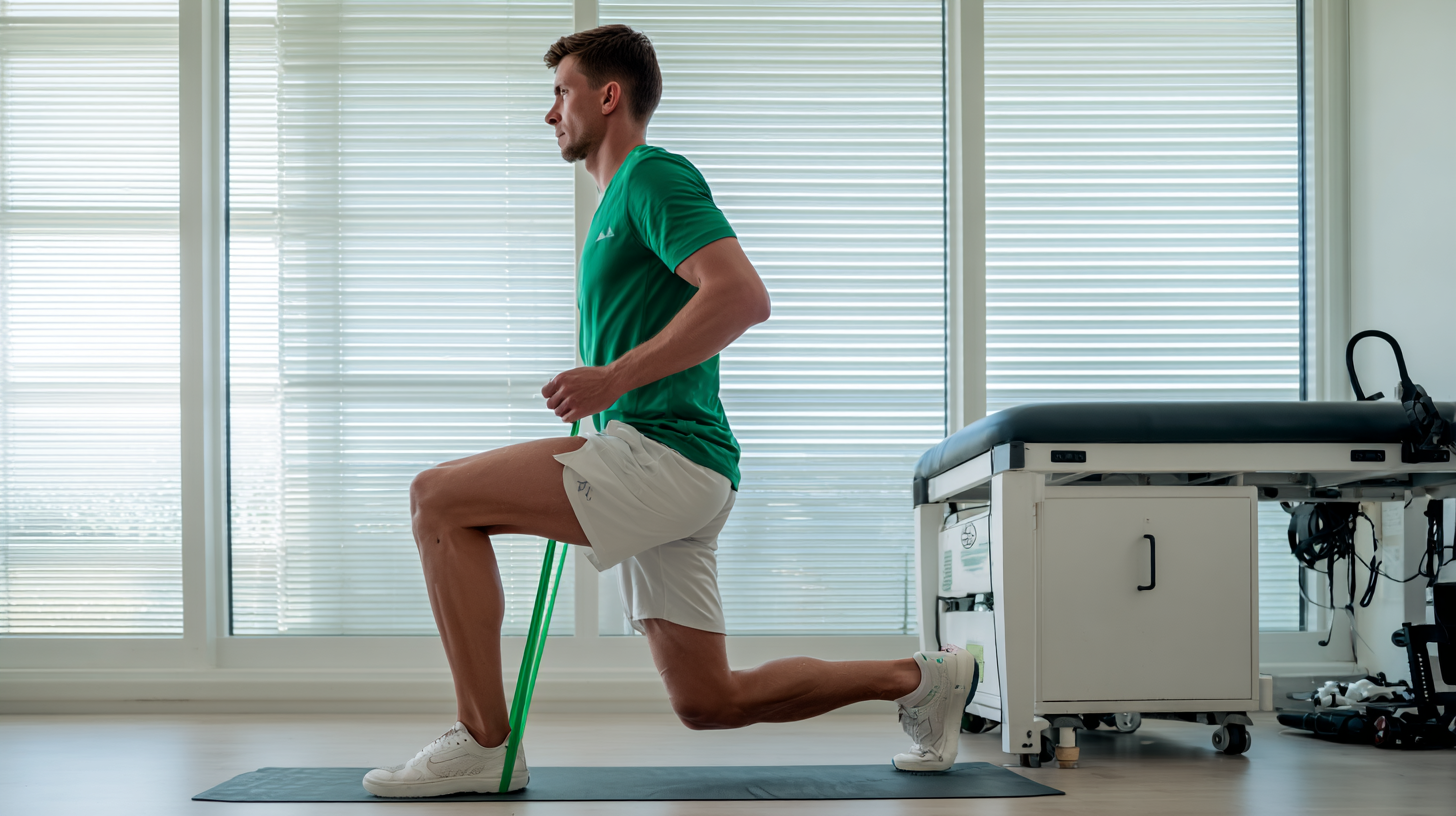
To optimise the outcome of your PAO, over the first 6 – 8 weeks, we have provided gentle range of motion exercises, to prevent stiffening and begin some gentle muscle activation of the hip joint. These will also encourage good blood circulation to promote healing and can reduce the risk of blood clots.
Participating in an exercise program carries a certain element of risk for some people.
If you have any issues please do not hesitate to contact the physiotherapy department. If you feel light headed, dizzy or have issues with your breathing please contact your general practitioner (GP) immediately.
When carrying out this exercise program you may feel some discomfort at your hip. It is important that this pain does not exceed 3-4/10, where 10/10 is the maximal and 0/10 is no pain.
Supine hip flexion
Lying on your back slowly slide your heel towards your bottom, flexing at your hip and return to starting position in a controlled manner. Do this on a slippy surface for ease of movement. e.g. a sock on a wooden floor.
Repeat each exercise 10 -15 times preforming 3 sets 2 -3 times a day.
Supine hip abduction
Lying on your back slowly slide your heel outwards, in a slow controlled manner and slowly return to starting position. Do this on a slippy surface for ease of movement. e.g. a sock on a wooden floor.
Repeat each exercise 10 -15 times preforming 3 sets 2 -3 times a day.
Bent knee fall out
In lying with your knee slightly bent, ensure your tummy is tight, slowly allow your knee to fall out to the side in a controlled fashion and return to the starting position.
Repeat each exercise 10 -15 times preforming 3 sets 2 -3 times a day.
Standing hip flexion –
In standing, holding onto a stable surface for support, slowly lift your knee up to a right angle and return to starting position.
Repeat each exercise 10 -15 times preforming 3 sets 2 -3 times a day.
Standing hip abduction
In standing, holding onto a stable surface for support, slowly lift your leg out to the side and return to starting position.
Repeat each exercise 10 -15 times preforming 3 sets 2 -3 times a day.
Standing hip extension –
In standing, holding onto a stable surface for support, slowly lift your knee behind you and return to starting position.
Repeat each exercise 10 -15 times preforming 3 sets 2 -3 times a day.
Core squeeze:
In lying with your knees bent, gently squeeze your stomach muscles whilst almost trying to pull your pelvic muscles upwards, hold for 10 seconds, repeat 10 times.
Inner range quads
In lying with a rolled up towel (or something firm), push your knee down and extend your leg activating the quad muscles (the big muscle at the front of your thigh). hold for 10 seconds, repeat 10 times
Seated heel raises:
In sitting push up onto your tip toes activating the calf muscles hold for 10 seconds, repeat 10 times.
Walking Practice
Walking in parallel bars with support as required from upper limbs.
Alter G Treadmill: we have weight relieving treadmill at allows us to gradually increase your weight bearing from partial weight bearing to full as your symptoms allow.
All of the above with allow us to begin the progress of weaning down the use of your elbow crutches. You will get a follow up appointment with your consultant, where they will perform a check X-ray. Following this you will be given guidance on returning to full weight bearing and reducing the need for crutches.
